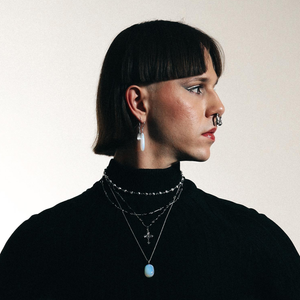
Phoebe Shuman-Goodier
Photographer Phoebe Shuman-Goodier won the Film Photo Award in 2024. Jack Fox catches up with Phoebe on her work.


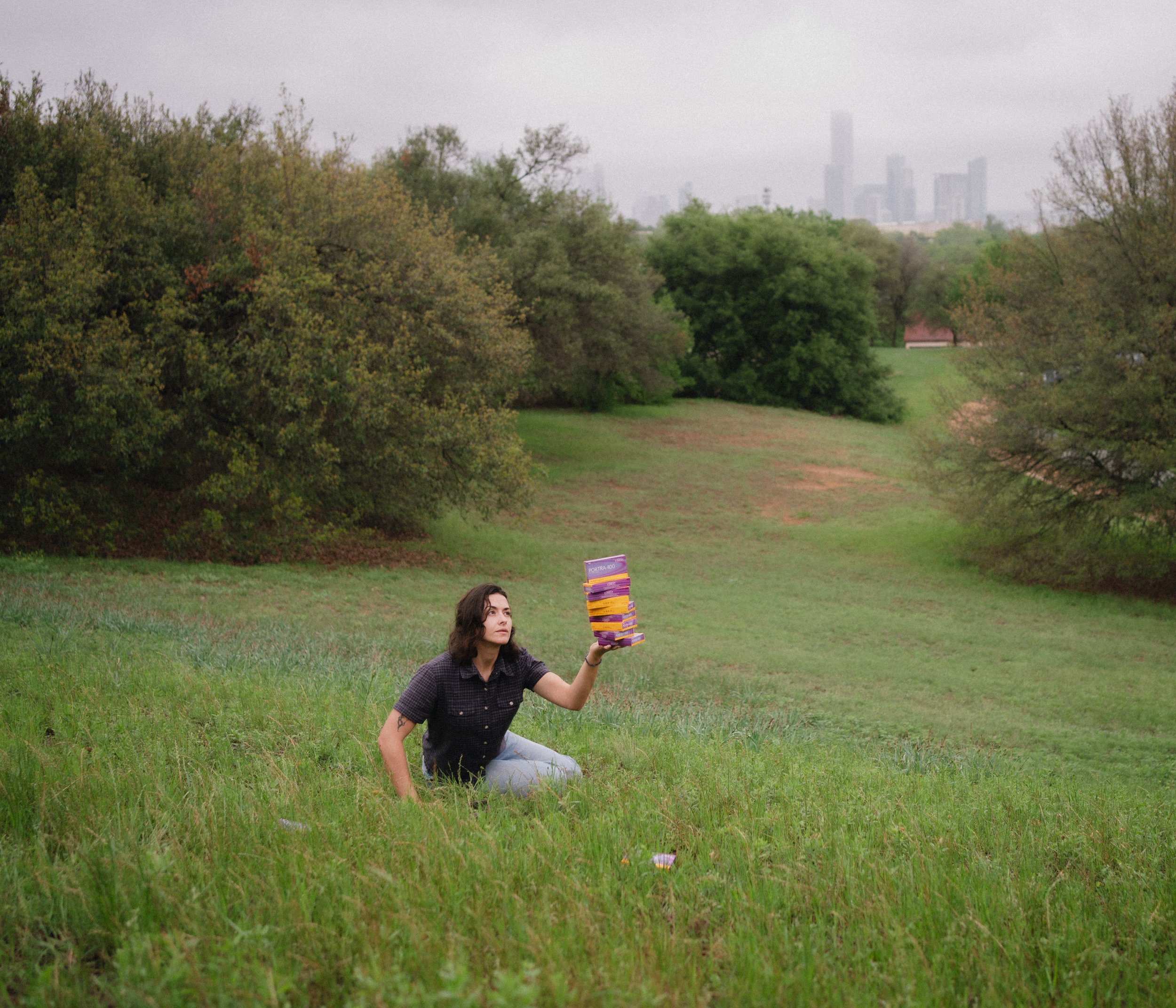
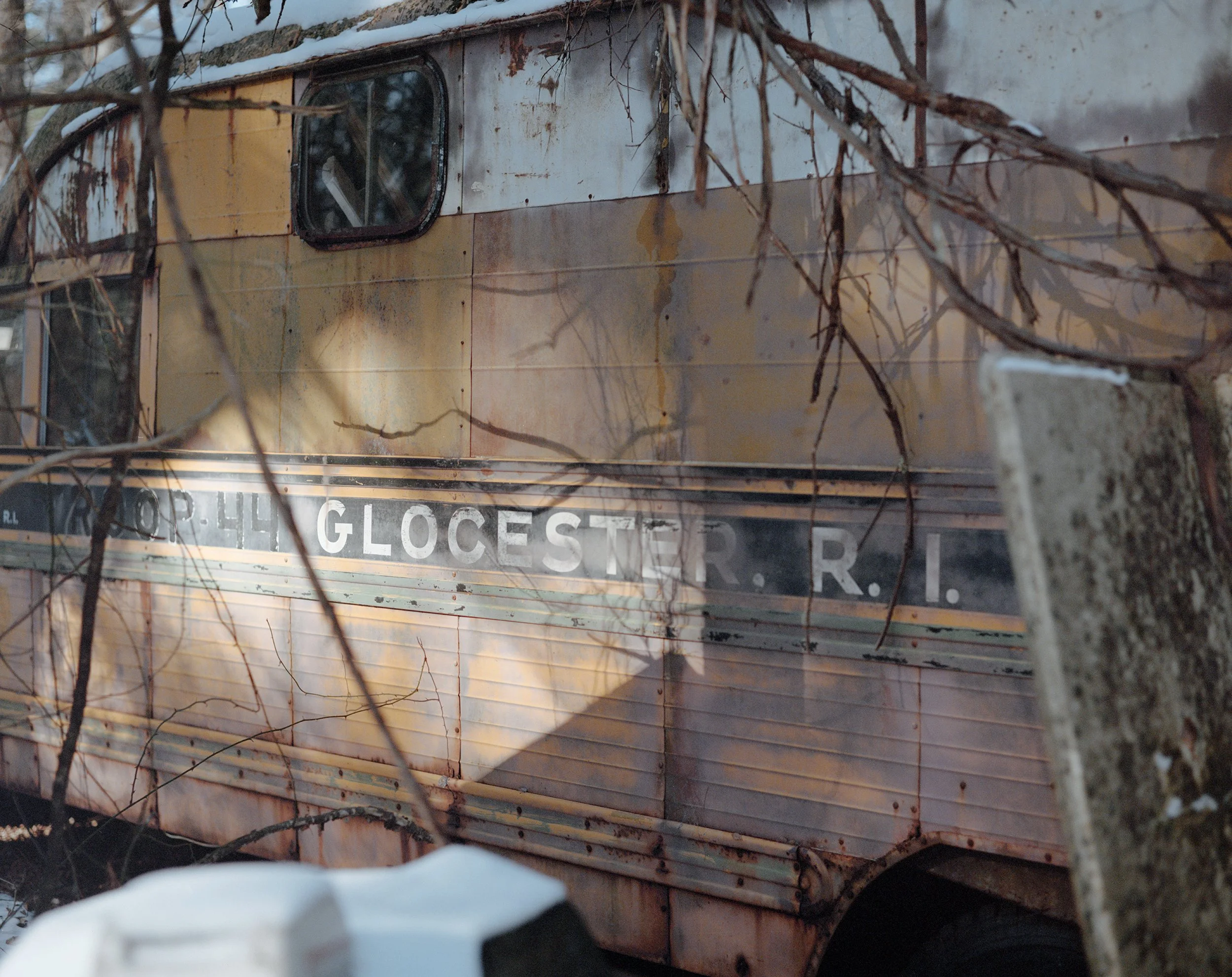
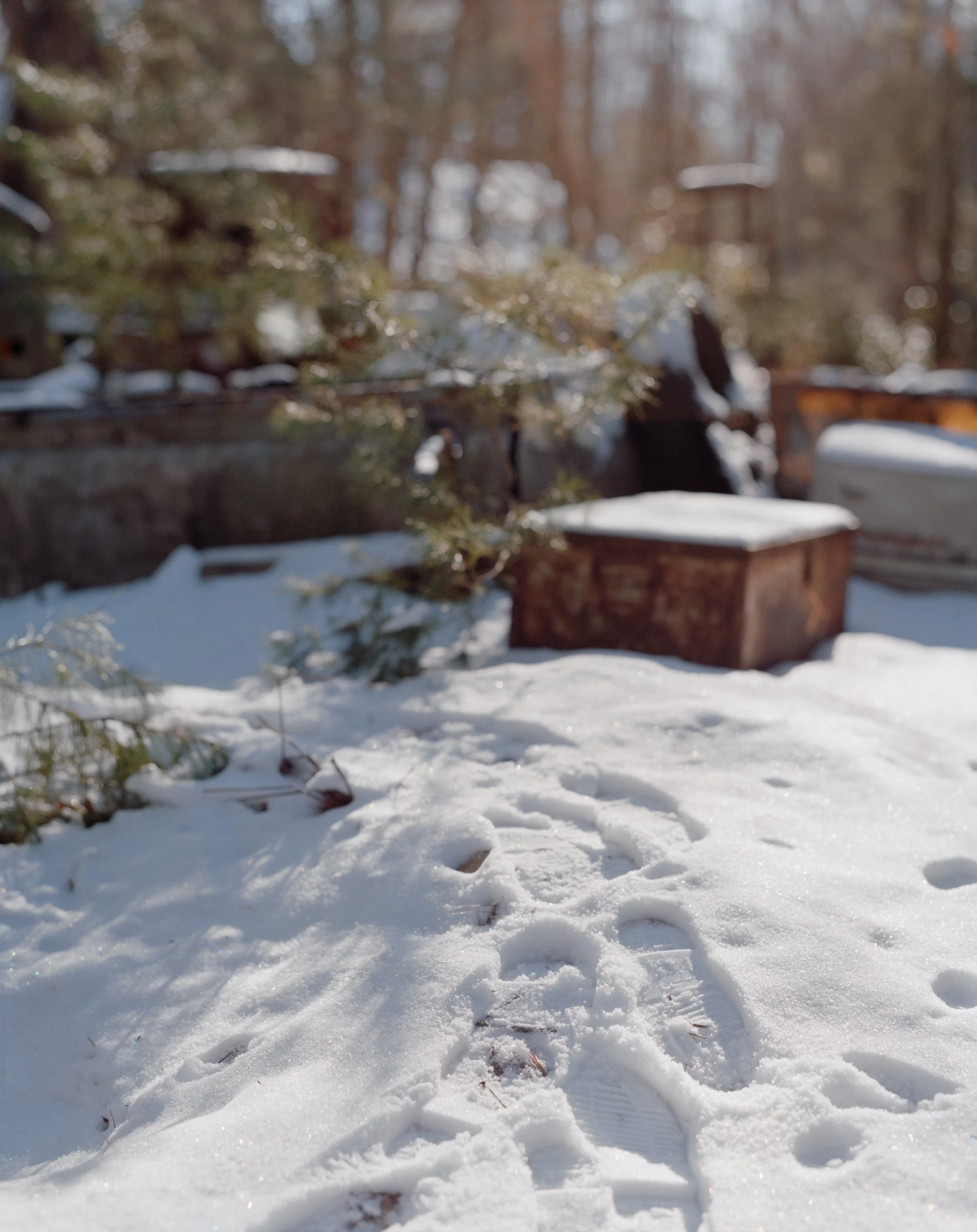
© Phoebe Shuman-Goodier
Jack Fox: What initially interested you about photography and what keeps you working in this medium? Why?
Phoebe Shuman-Goodier: I started working with photography in high school. I think I chose to take a photography class because my sister did it first. I'm a younger child, so anything that she did, I was like, 'Oh, I gotta do that.' I took a darkroom photography class and really fell in love with it. I don't think I was really conscious of how much I loved it, but I would skip the science class I had after my photo class and that teacher was just like, 'Yeah, go hang out in the dark room.' That just was where I wanted to be. It was very meditative. In a way I actually started this project back then, because you always start taking pictures with what you have available to you. I took pictures at my dad's house, which was my home at the time too.
I like how film photography makes you move slowly. The time in the dark room has always been very magical and meditative, and separate from the rest of the world. I was very lucky that my public high school still had a dark room. Then I went to Tulane and didn't know what I was doing. I was a painting and anthropology major with an Arabic minor for a grand total of maybe nine months. I ended up going on medical leave, taking a class at RISD, and then going back to Tulane for another semester. While I was back there, I applied to RISD and ended up transferring into the photo program. I think that was a practical choice, because I was a painting major and I was like, 'I don't know if there are any jobs in painting.' But at least with photography, I could imagine that maybe this is an applicable skill to other fields or I could always be a freelancer. There was always a need for me to have some viable income, so it was kind of a practical choice, but I also realized, maybe I really love this. I was skipping other classes to spend time in the dark room. That photo class that I took while I was on medical leave was my first foray back into this project and it was pretty transformative for me. It offered me a way to be at my dad's house that felt like I had a little more control than I had as a younger person. So I guess the seeds of this were there from the very beginning, and photography has always been a tool for me to navigate through that space and through my life generally.
JF: Are you still using any of the images that you made in that darkroom class in high school?
PSG: I was a dumb kid and I left my binder there. So I don't know if that teacher kept it, but I assume it's somewhere in the landfill. I'd have to get in touch with her. I'm sure she'd be curious to find out that I'm still doing this.
I do still use some of the images I made in my first undergrad photo class.
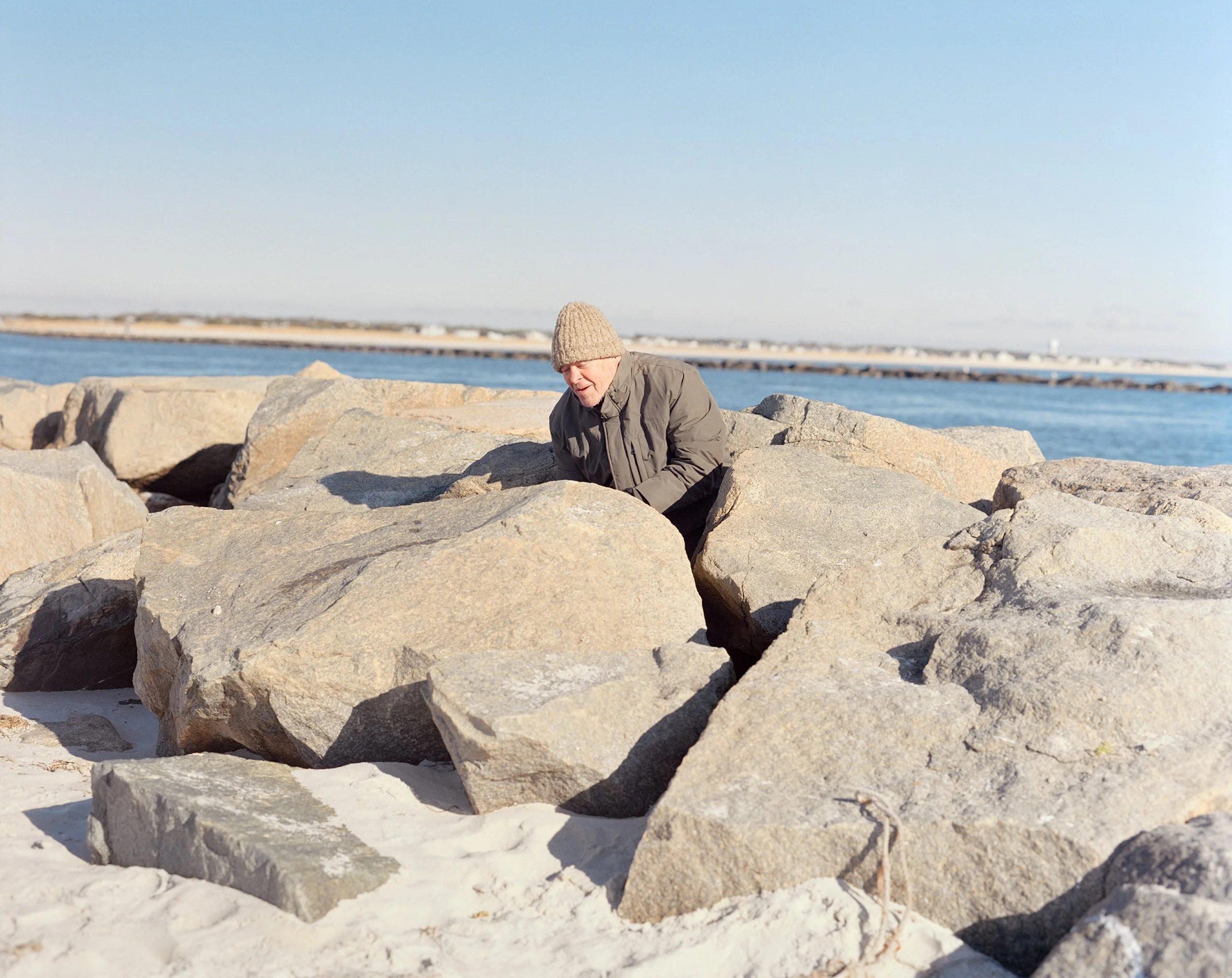
JF: The project we're speaking about, Bad Dogs, revolves around your relationship with your father and the impact of his hoarding disorder on that relationship. Can you introduce this project a little more? What do you hope comes out of giving visibility to this issue?
PSG: The project centers around visits to my childhood home. As I mentioned, that started in high school. This project has always been with me as a student of photography, it's been my vehicle for learning the medium. So starting in high school and then when I transferred to RISD, I really got to just explore in this space with all the different types of cameras that you get introduced to as a photography student. It was more 35mm black and white back then. At the time at RISD, it really felt like to make “fine art” photographs, you needed to shoot medium format color film, and to be good at digitizing those images. So I really invested in learning that process and slowly accumulating that gear, both in undergrad and in my time between undergrad and grad school, which was a period of about seven or eight years.
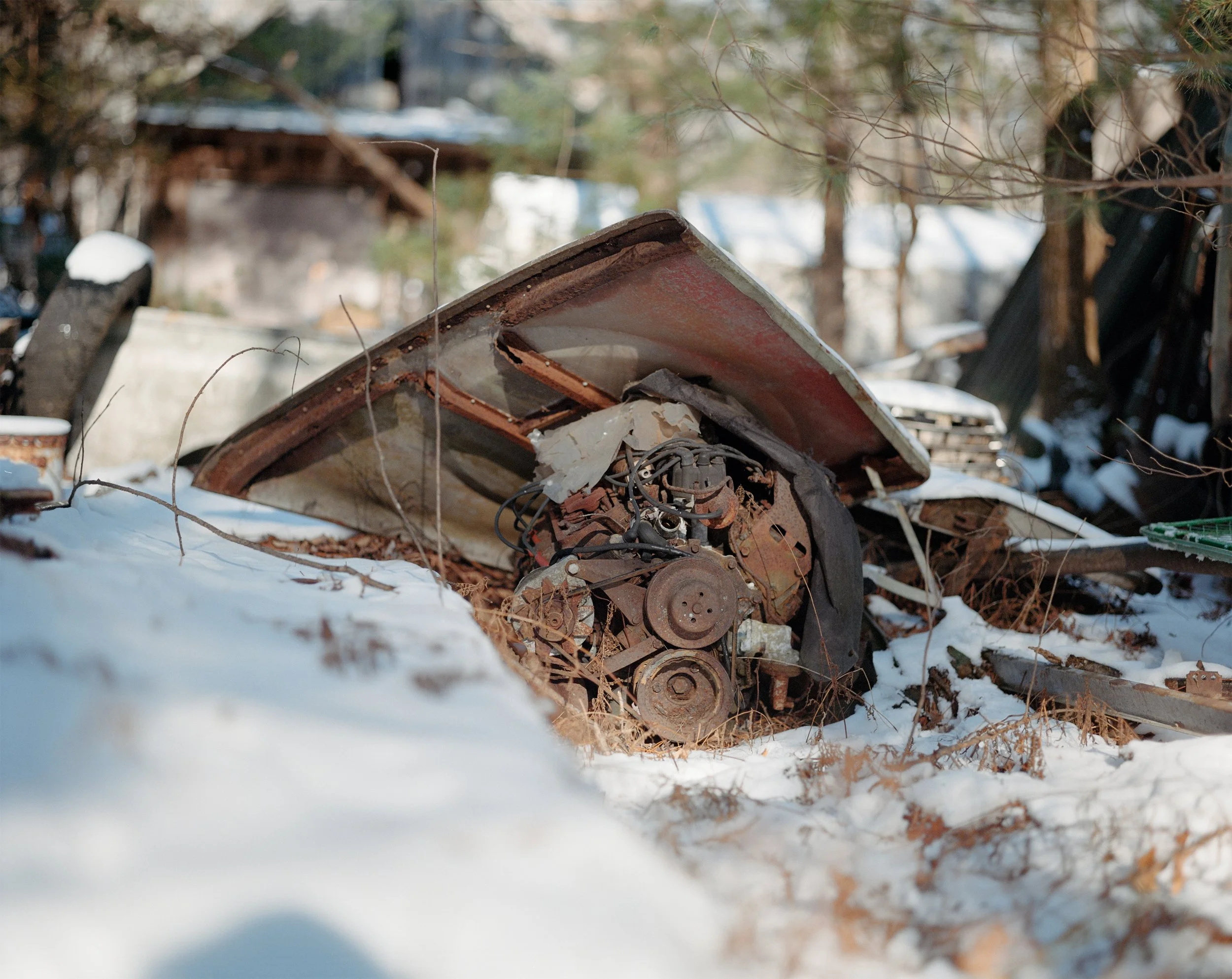
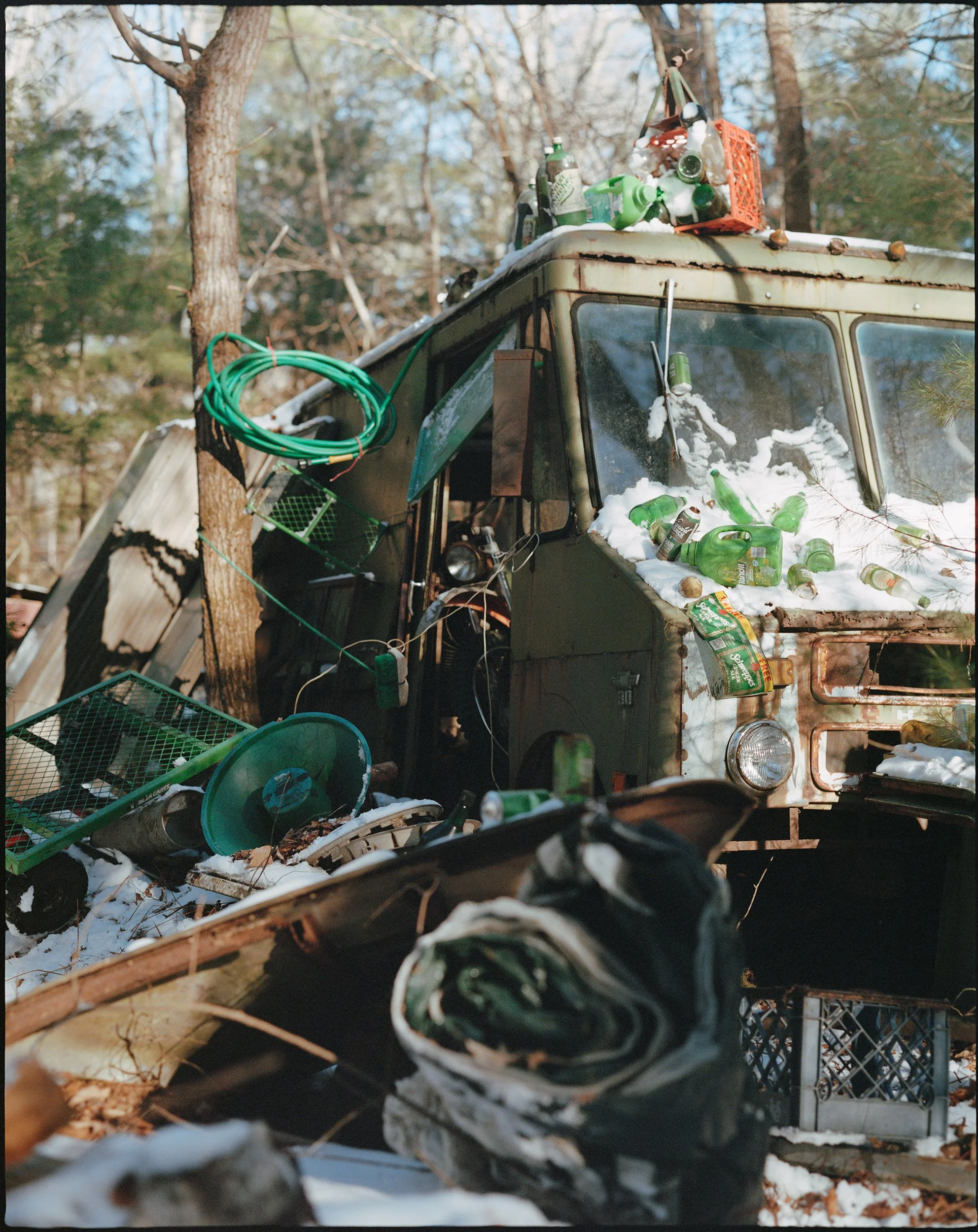
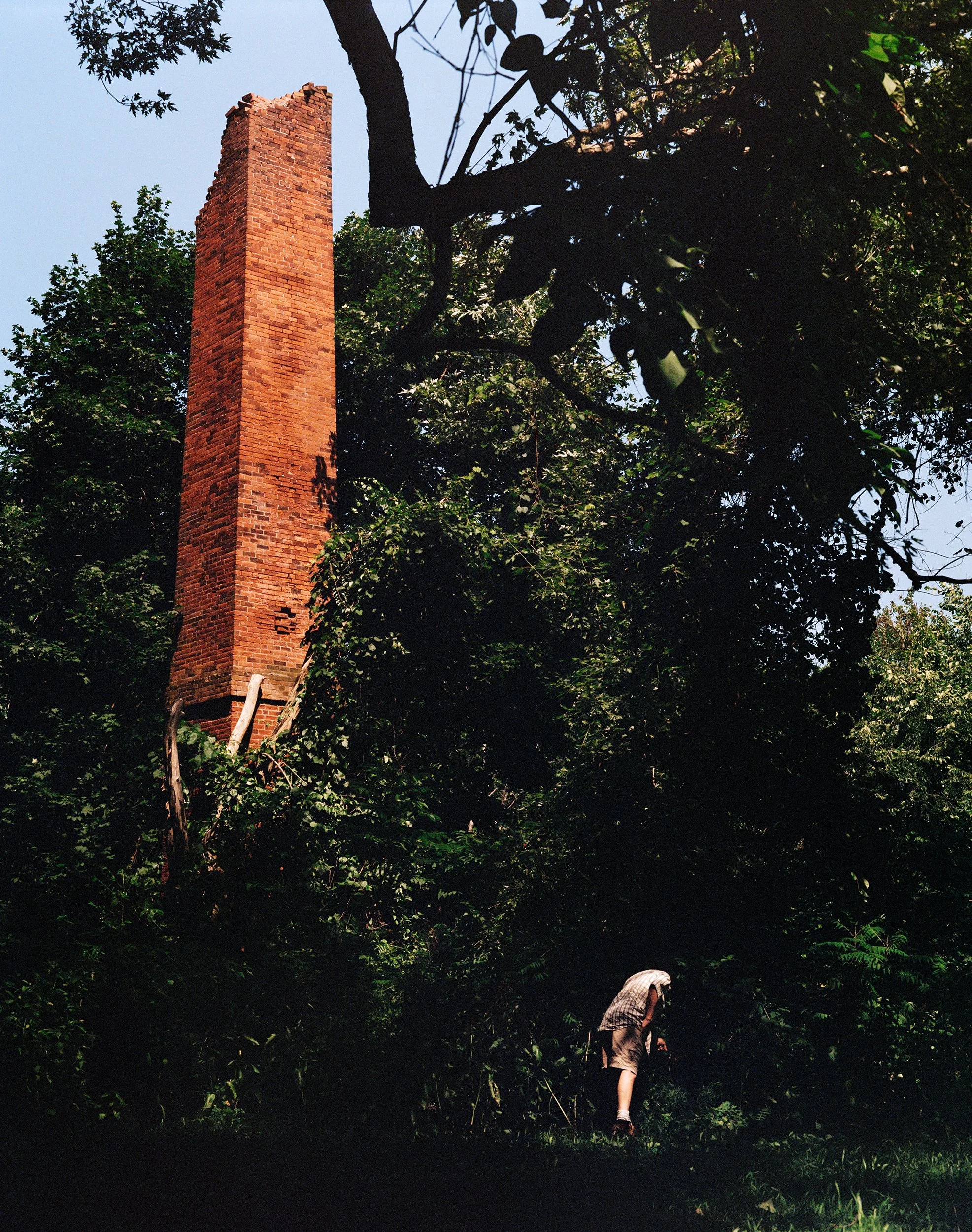
With projects that you start as a student, you don't always know what you're doing when you're doing it. You only find out later how that project served you and what it really was about. So for me, I didn't realize that I was using photography as a tool to exist in the space of my former home until much later, probably after undergrad. But I did find out pretty quickly that what I was really interested in about that space was my dad.
I was less interested in looking at the accumulation of stuff. My relationship with my dad was kind of estranged through high school and early college. Transferring back to RISD really was like a homecoming and I was suddenly given these tools to re-enter the space. I felt empowered, creative, inspired, and wanted to focus on those feelings as opposed to feeling sad, nostalgic, or grief for what I had lost in that space, my early childhood home.
This project is a means to have a relationship with my dad and be able to go back into that space, feeling much better about it, feeling a greater sense of agency and finding this way to communicate with each other. That's been the most important part of it for me. So it truly has been more process-oriented.
Any pretty pictures that come out of it are kind of secondary to that process. It usually coincides with trips to our favorite diner and maybe a visit to the doctor or the dentist so I can make sure he's going there. It's creating space for us to just be together and have conversations. We're not always the best at talking, but he's always shown up and said yes to these crazy ideas.
In undergrad, we were building sculptures around each other, which was a pretty intense exercise of literally being covered in the material that has been so impactful to our family. That was definitely a trust exercise between us, especially in the sculpture that he built around me. It was like a cage of chairs that he hoisted up around me with a pulley. As I built a sculpture around him, I became aware that my dad has intense claustrophobia, which I didn't know. So respecting boundaries and listening to when it's too much. Maybe it's time to go to the diner. My practice has always been centered around play, having fun, finding common ground. We both really enjoy making these sculptures together. Obviously that's not all we do, but I think the most recognizable or memorable pictures from the series are the sculptures. That's always been very playful and shows us kind of delighting in the side of hoarding disorder that is seeing the full potential in things, beyond their intended function. That's something that my dad and I can really engage with together and find joy in. And we like talking about it. The artwork is our way of talking about everything else at the same time.
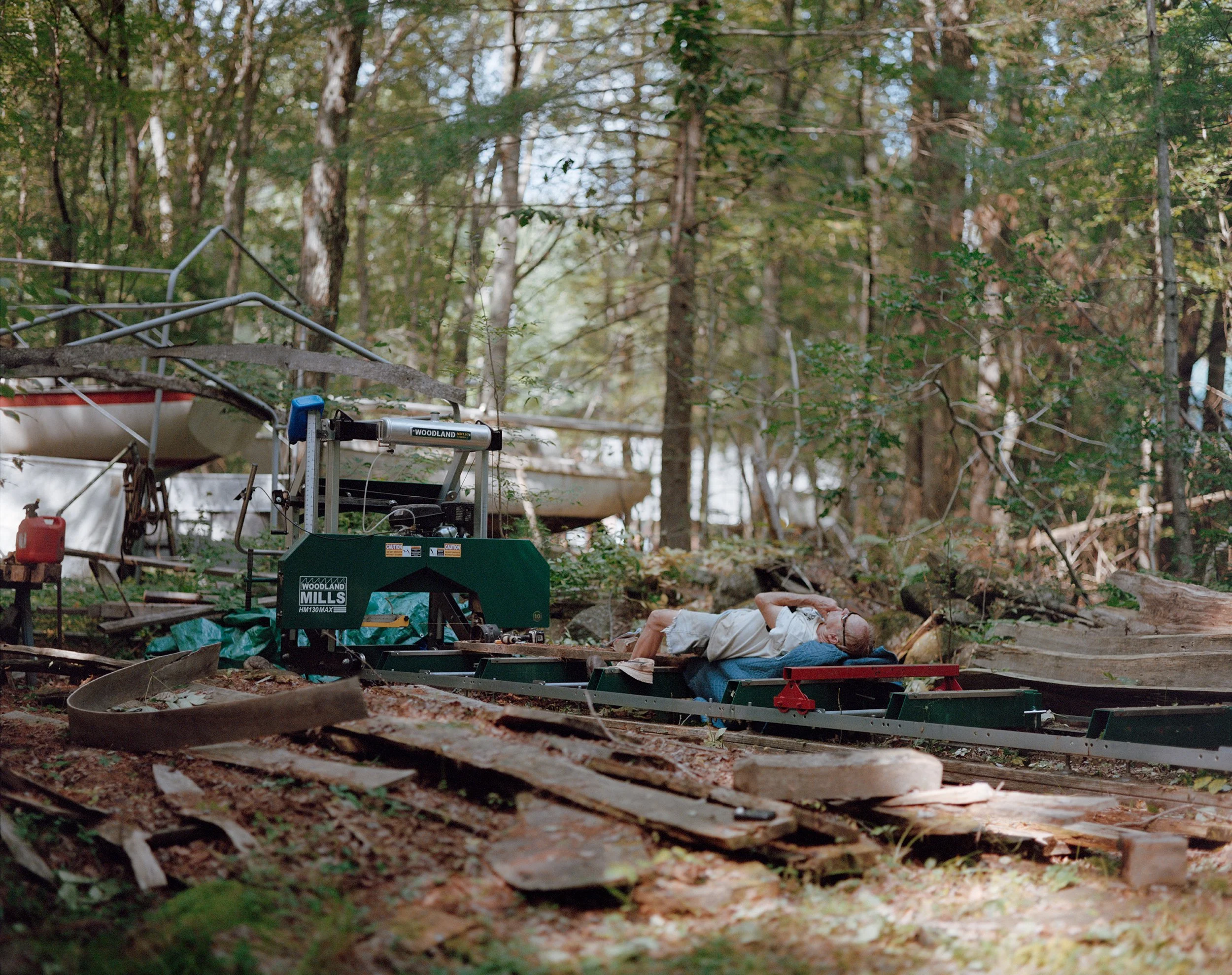
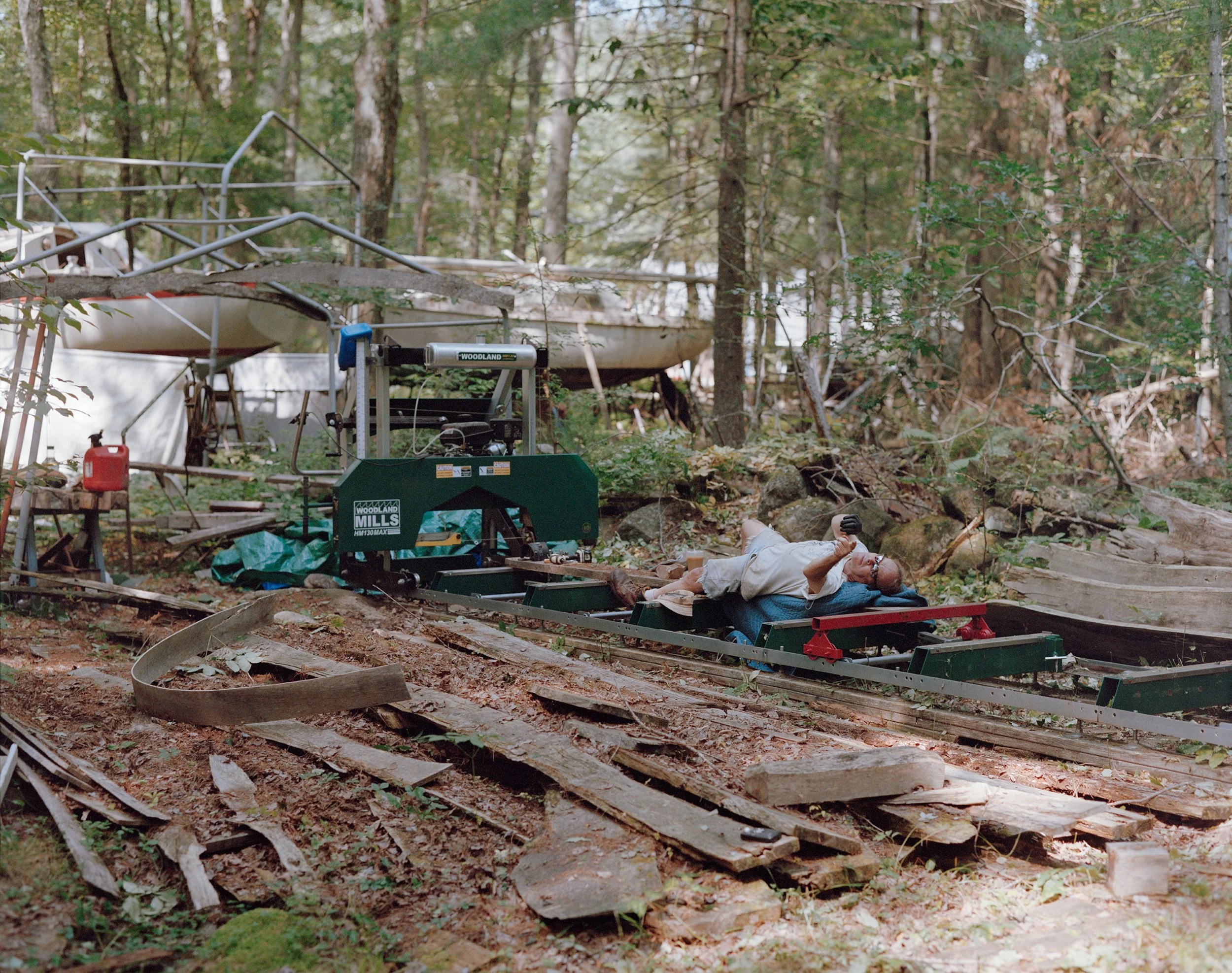
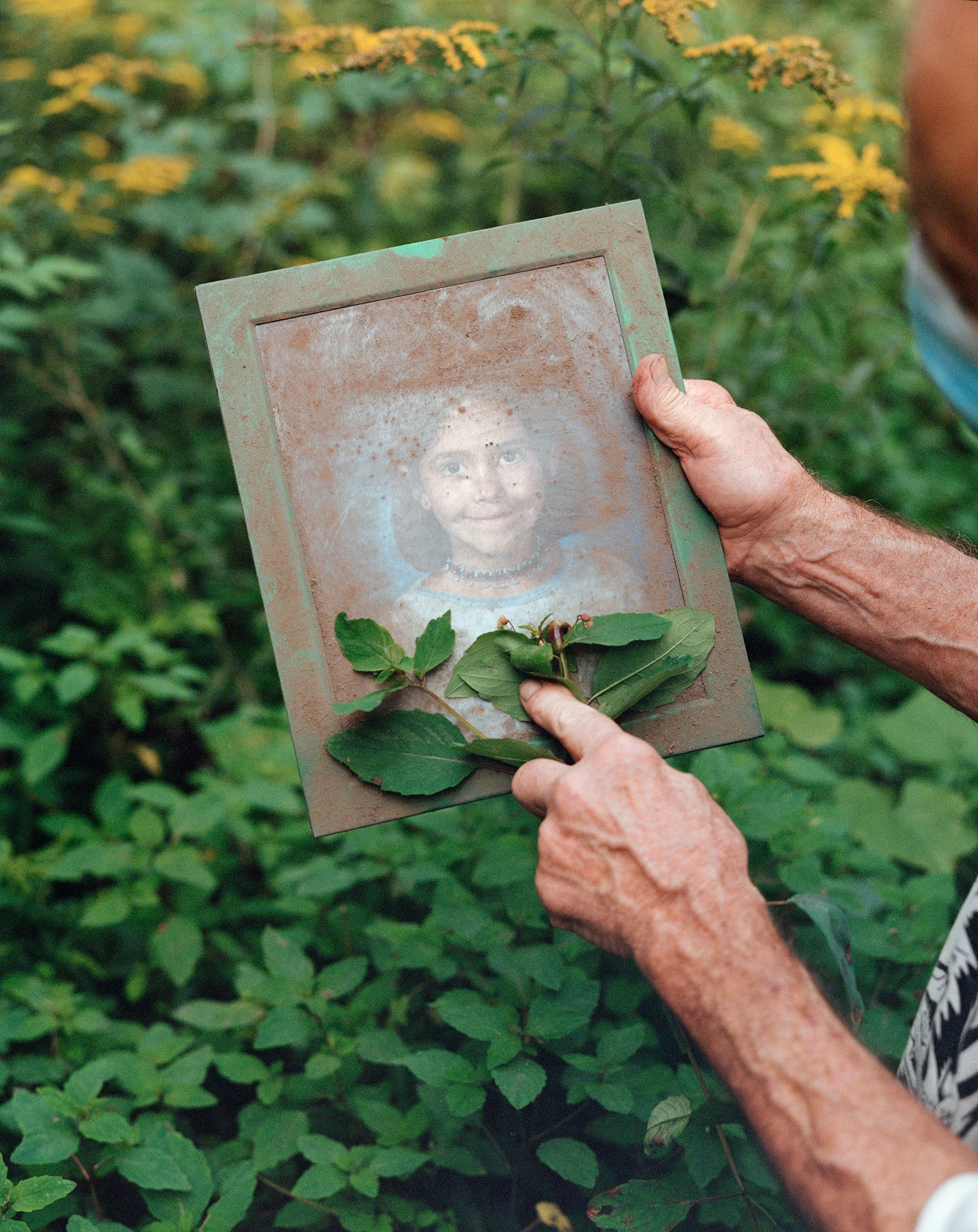
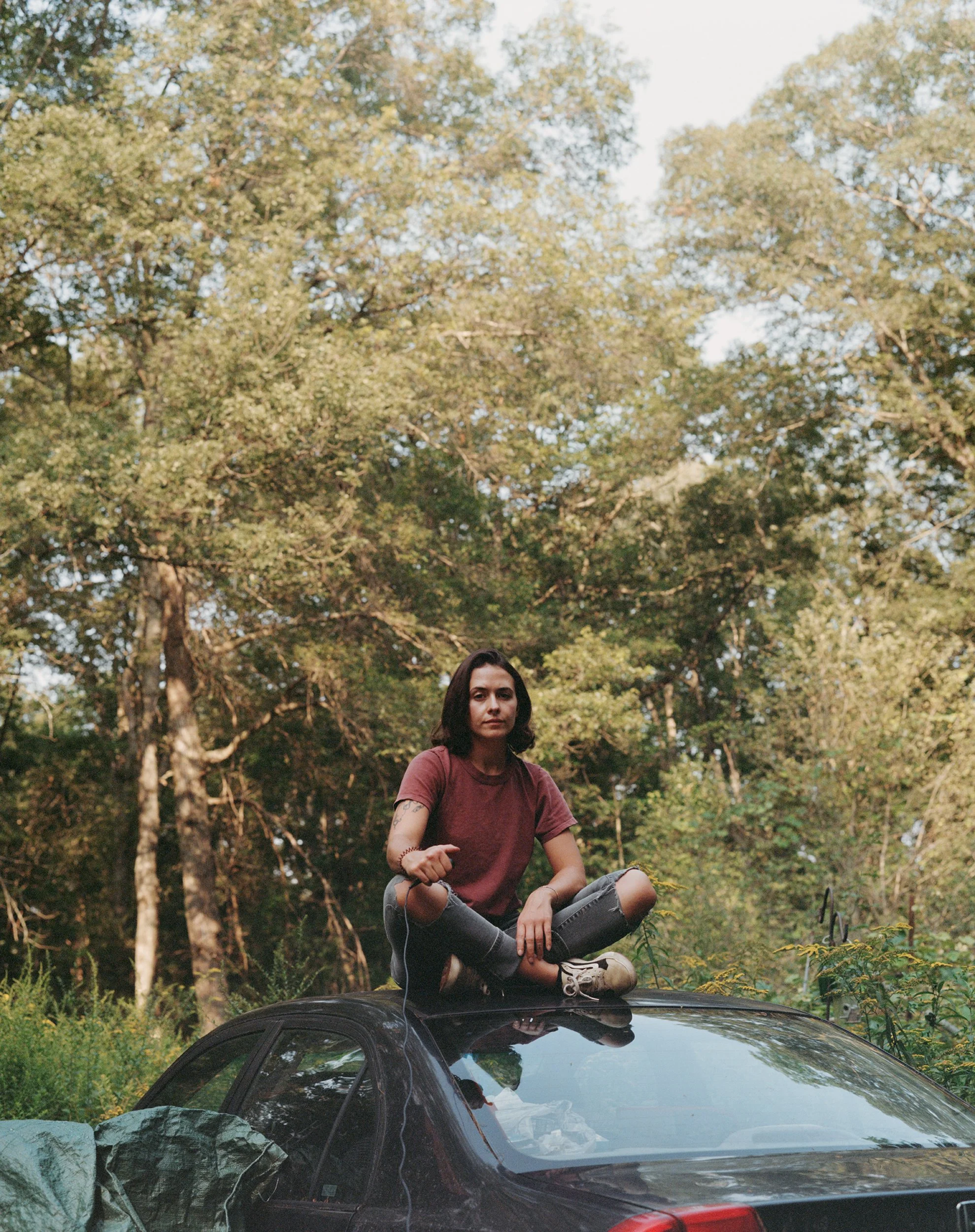
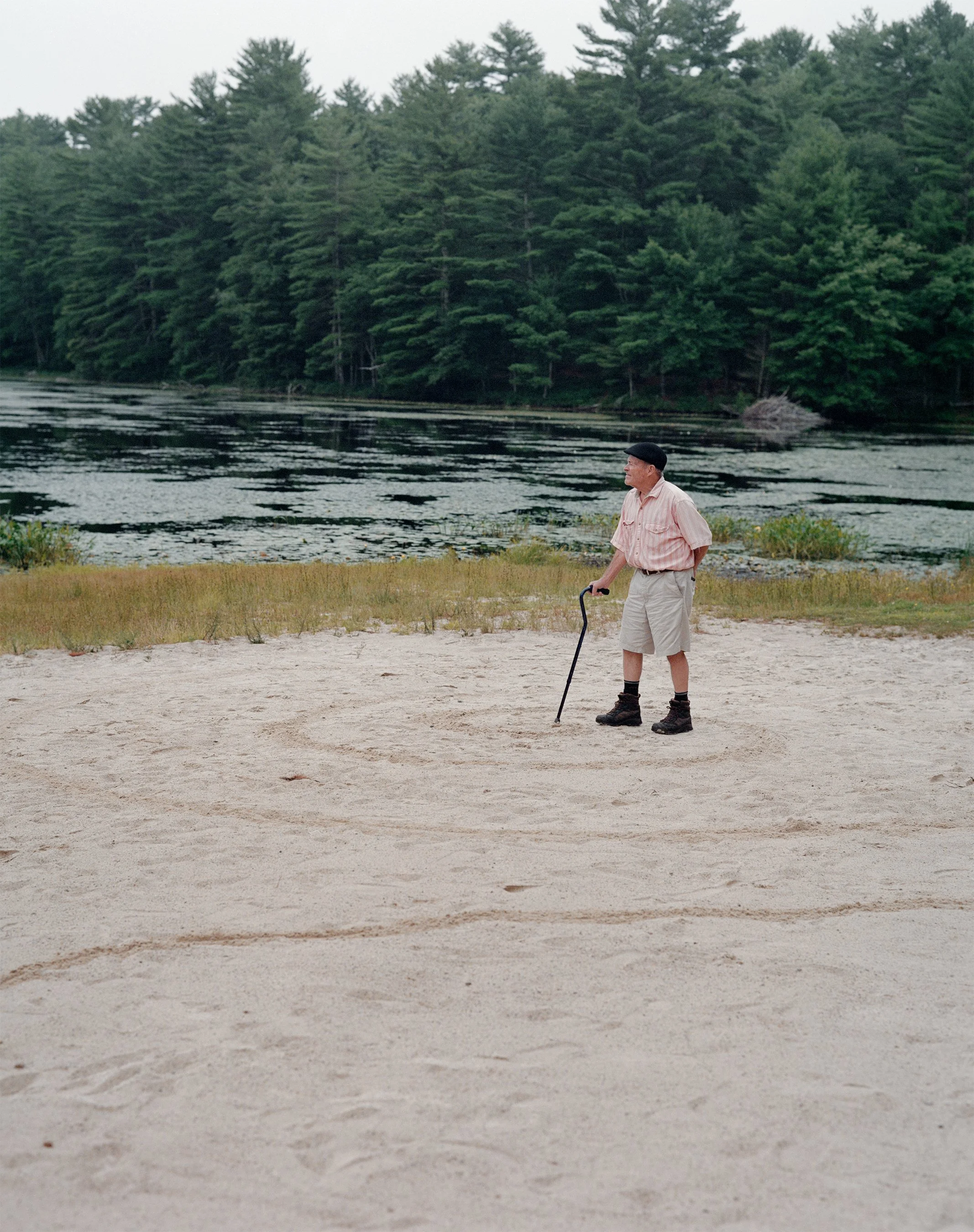
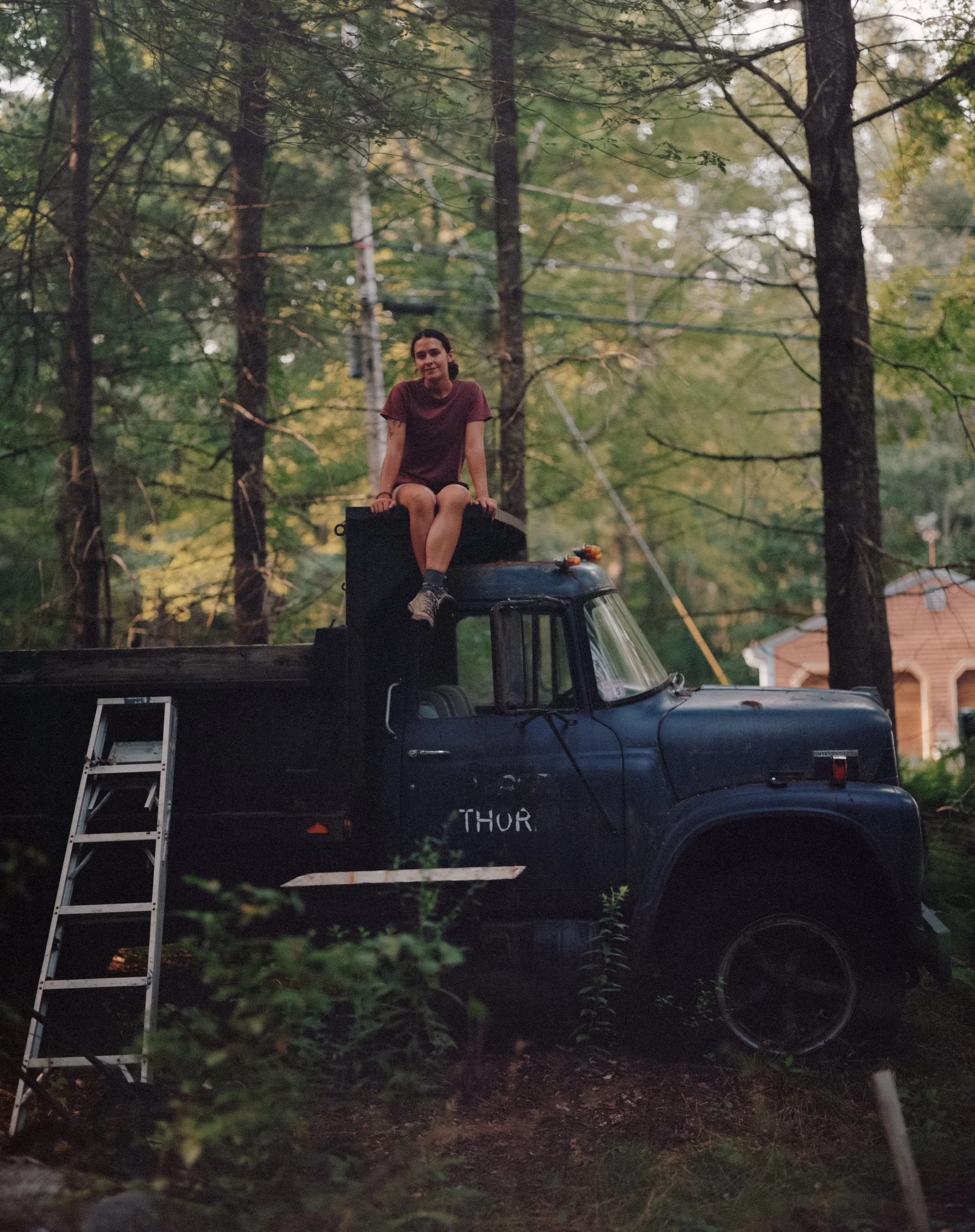
JF: Some of the images that most excite me in this project are those sculptures you mentioned, where you're stacking these same colored objects on top of each other. The image of the gas cans on your father’s truck for example. When I first looked at them, I couldn't tell if that was something that your dad was doing on his own and you found them like that, or if they were a way of making a sort of order in chaos.
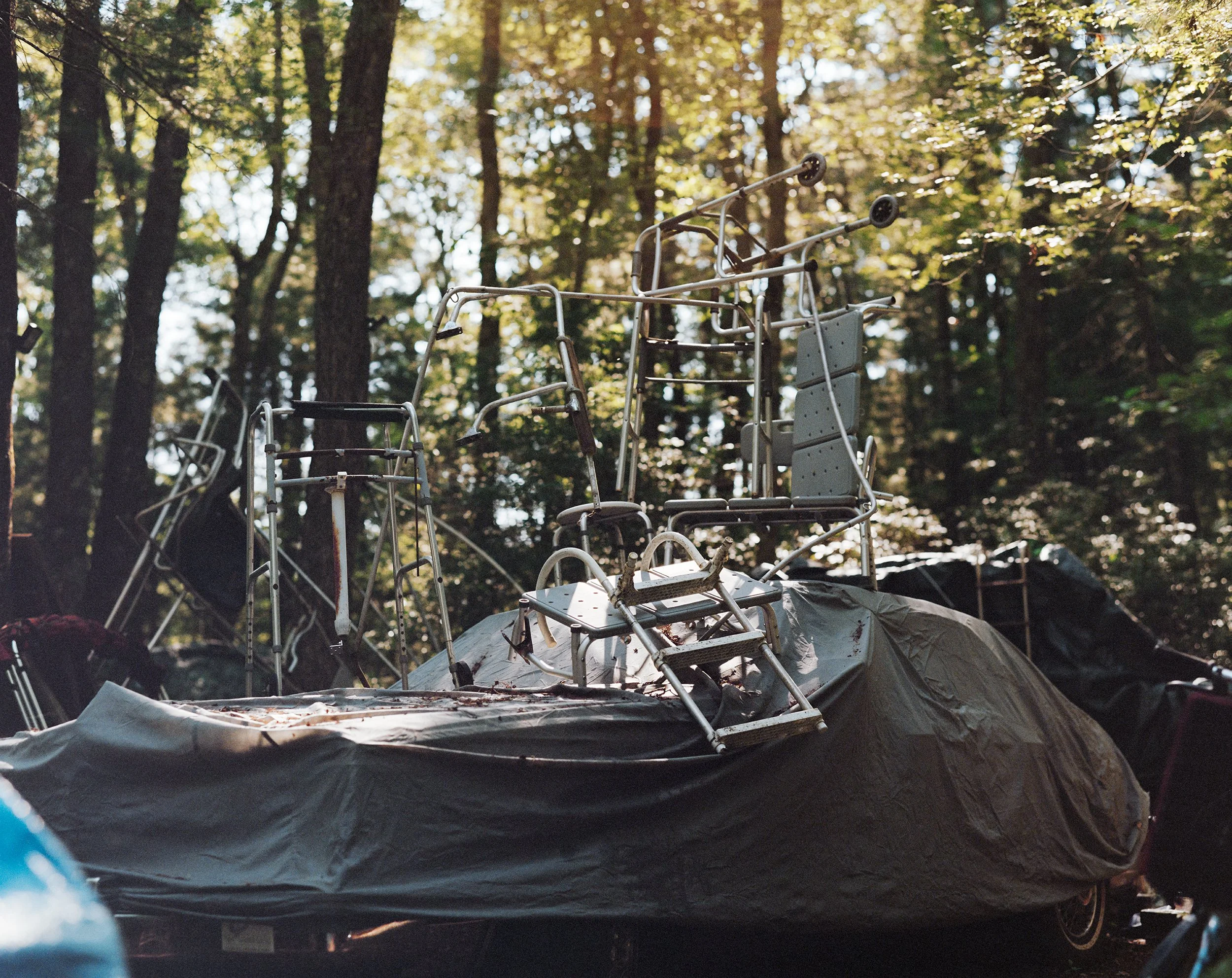
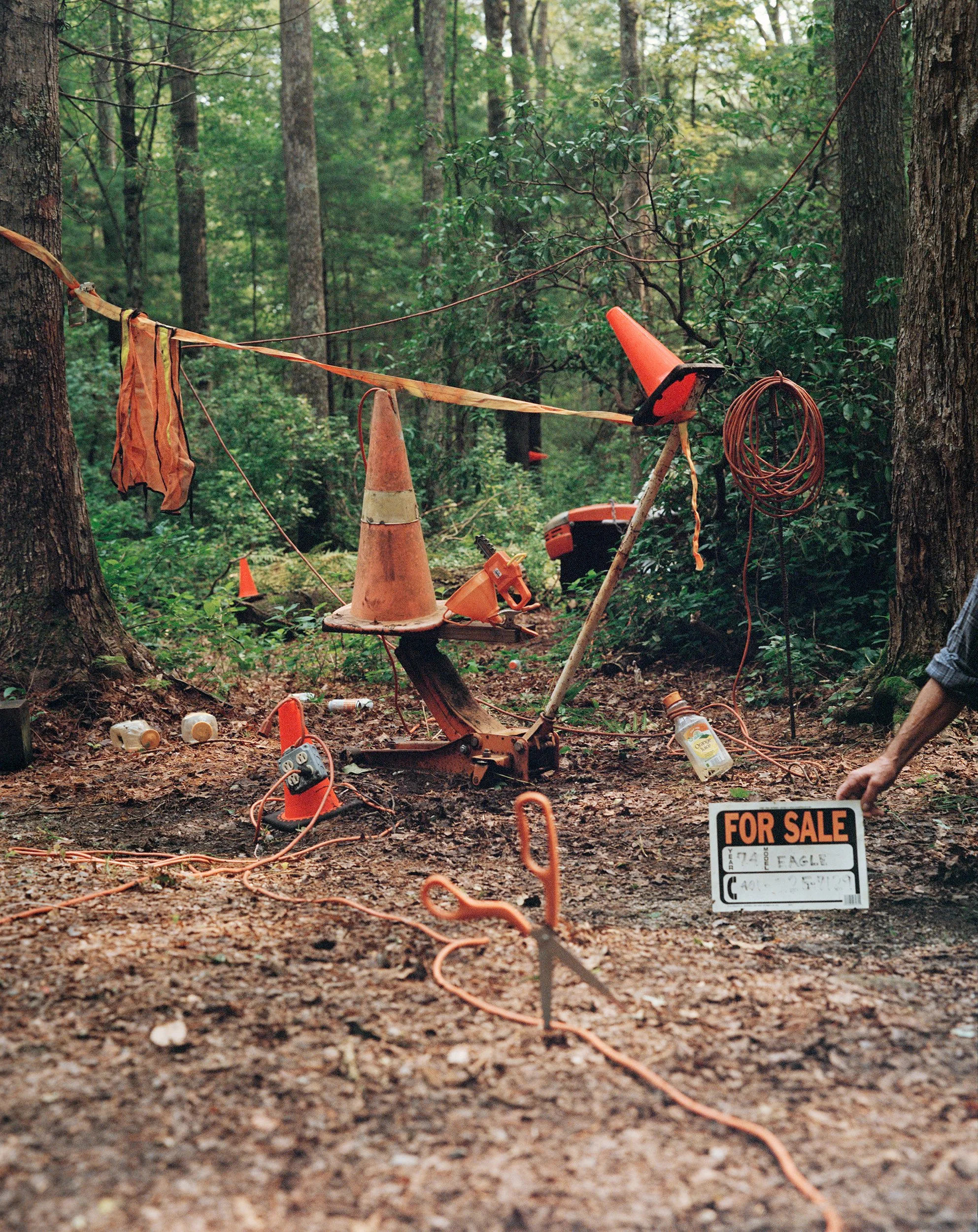
PSG: It always makes me laugh when people think that maybe it was already set up like that, but it totally makes sense. And it could be. When I think about how the property is organically, it definitely already has sculptural potential. My dad is very careful in some ways about how he arranges his things. Those images were constructed mainly by me. The color series developed from a sub-project of Bad Dogs called What We Build that my dad and I were undertaking while I was in undergrad, so 2013 to 2016. I was very intentionally going home every weekend and we would build a sculpture out of materials on the property. I would document the finished piece with whatever camera I was learning. So there's some Hasselblad images, there's 6x7 film, there's some digital, and some 35mm film pictures, and I also filmed us assembling each sculpture. Afterwards I filmed us very intentionally deconstructing each sculpture and returning everything to where we found it.
I wanted it to be very clear that it was a non-judgmental space and that I wasn't trying to change anything about the state of the property or make a commentary on the hoarding disorder. It was more about creating time and space to work alongside each other and see what conversations arise from creating that opportunity.
The color series came much later. That was shortly before and during grad school. So 2022 to 2025. We're only getting older and my dad has some physical limitations now that prevent him from being as involved in the building of our sculptures as he once was. So for most of these, I'm gathering up the material and shaping it, but he usually shows up in some way in the image, whether that's holding something or showing me where I can find same-color objects. I think of him as an active collaborator because he's collected the objects. He's kind of the curator.
What I hope for out of this, is to show a different response to this issue. Finding common ground and being able to approach people you love and care about with compassion. That it’s possible to find playful, fun ways to continue communication and strengthen relationships.
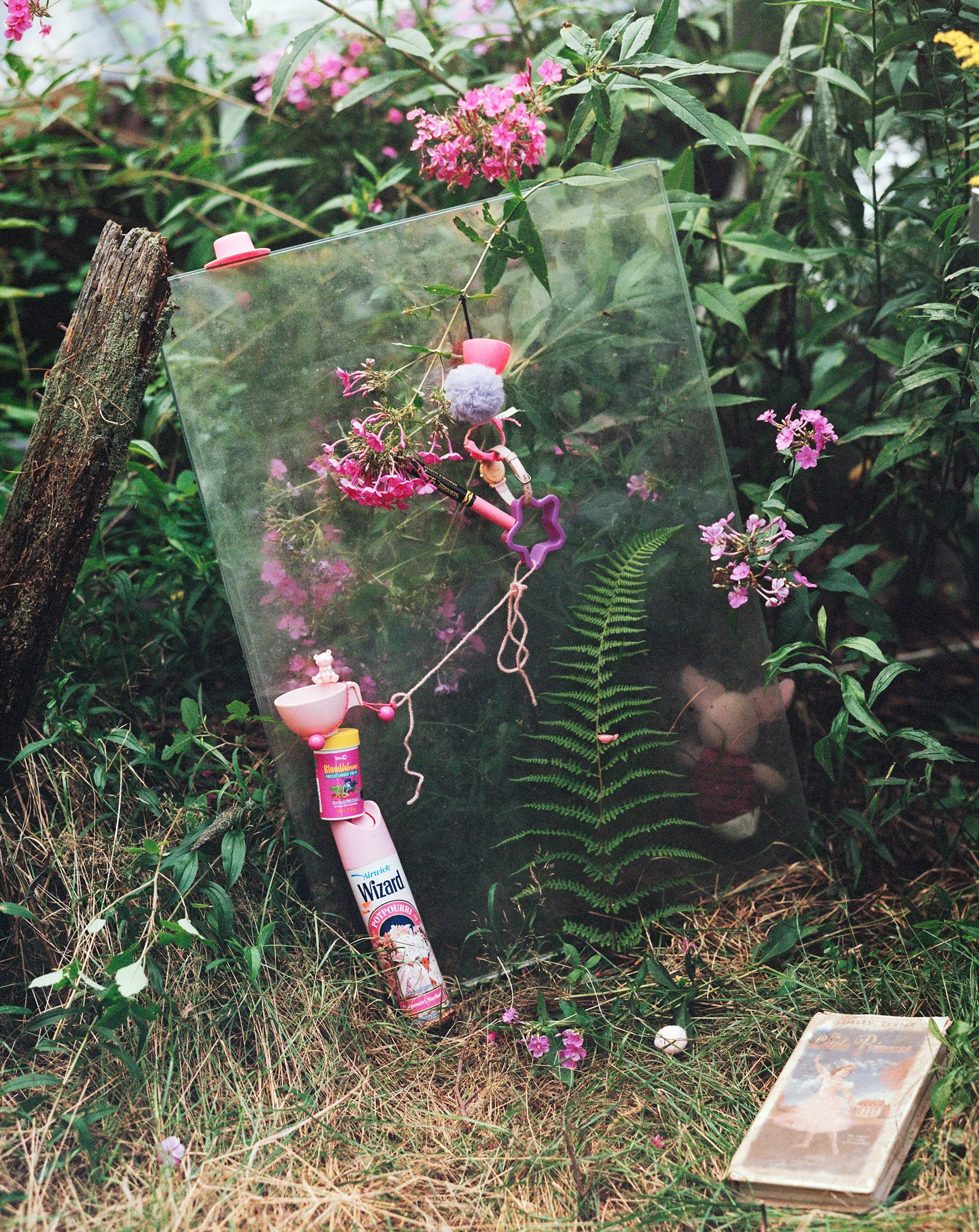
JF: You mentioned that you don't want to be judgmental in this project and I have to say the images don't feel judgemental in the slightest. Your love for your father really shines through.
PSG: That's definitely what I was going for, so it makes me really happy to hear that. Whenever you're talking about something like hoarding disorder, that is so charged in mainstream media, the presentation of it in shows like Hoarders, we often forget the humanity there and view it just as spectacle. So I'm very careful of that word. I have a lot of feelings about it. Mostly I want to make sure that my dad is recognized as a full and complete individual. This is a part of his life and part of our life together, but it's not the only thing and it's not something we can't work through.
JF: It makes sense that hoarding disorder would develop in America, given how much importance is put on property ownership in our society.
PSG: I definitely feel that way too. We live in a consumerist society that is all about our relationship with stuff, but we're not supposed to really appreciate the stuff because, if we really appreciated the stuff, we wouldn't get rid of the stuff and buy more stuff. That's kind of the crux of it. One thing I really appreciate about my dad is that ability to see the potential in everything. He's never lost his sense of wonder. He's such a brilliant person in terms of being able to figure out how things work and how to
make things work. And that's a skill that I think a lot of people have lost, just the ability to slow down and appreciate something really small. It is amazing that my dad can find a screw on the ground and know what it's for.
We all engage with so much stuff every day. And the difference here is that, I get to sit in that material memory, those object memories. Whereas I think most people have had to get rid of their things as they move. Now they just exist as memories. But those objects still exist somewhere in this world. Probably in a landfill.
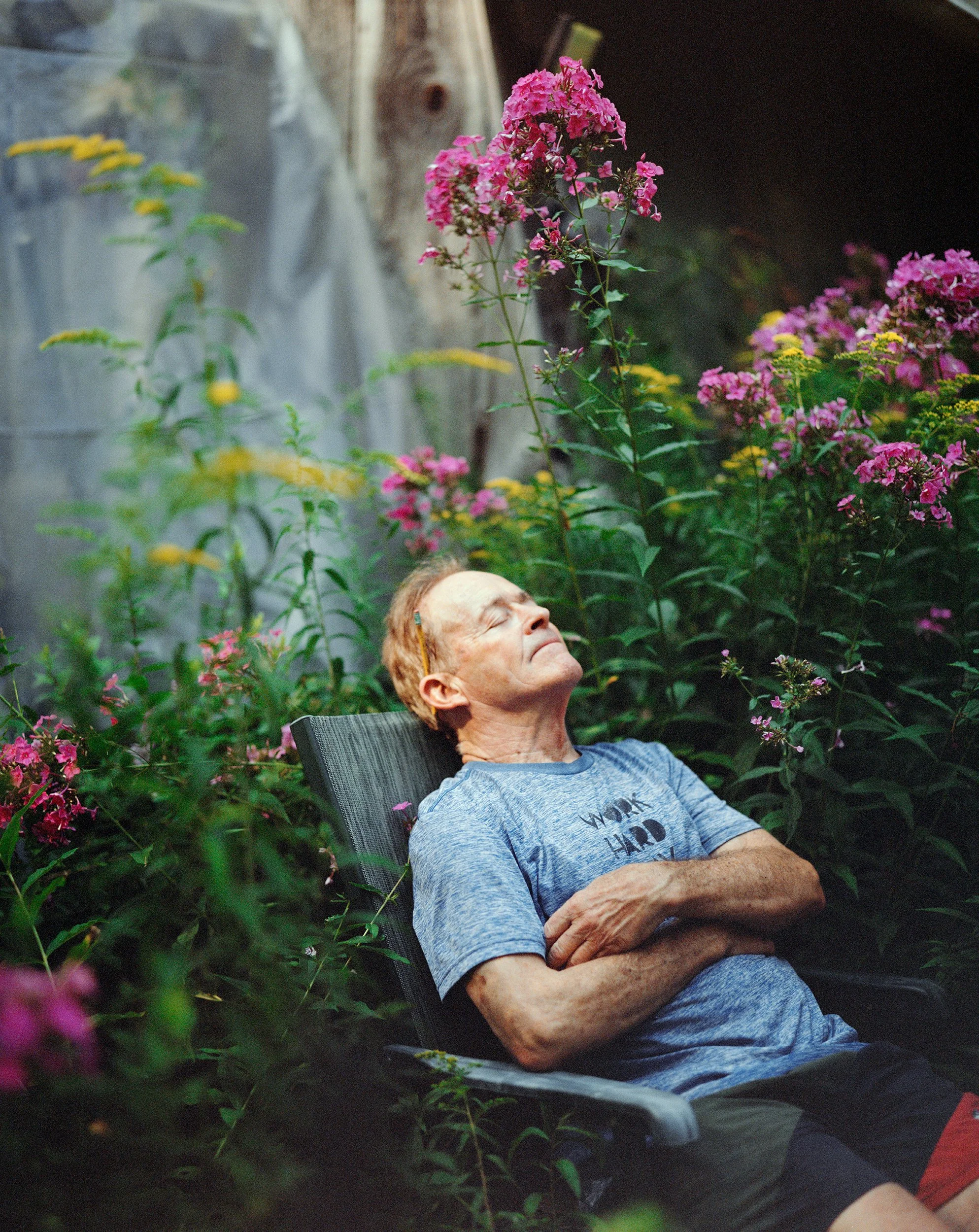
JF: It is one of the most human expressions that an object is charged with a memory or its association with a person that we love in our lives. That's why I think hoarding is such a human notion.
PSG: Our avenues to have comfort these days are narrower and narrower. Yes, it's totally human and it's almost reasonable.
JF: Is photography inherently cathartic for you?
PSG: I've always had kind of a tricky relationship with photography because I do feel very strange about taking pictures of people I don't know intimately. I've never really been one to do that. I'm also very aware that we are so inundated with images all the time. I don't want to take pictures of anything that I know I can just Google later. I really try to prioritize actually existing in the moment and being in my body in the moment. That's also sometimes why my pictures aren't always technically perfect. They are subject to the elements, subject to human needs. If my dad's getting tired of it, it's time to hurry up. I don't think photography is always cathartic, but it has been for me.
JF: You've talked a bit about collaborating. More broadly, what is the importance of collaboration for you within your practice?
PSG: Working with another person keeps me grounded. I think it's where the most meaning comes from for me. It's where I learn things about myself. Photography for me has been mostly about relationships and practice. There's only so much of that I can do by myself.
I've gone on the photo road trip and most of my photos from that, I wasn't really that interested in because they didn't have the people I love in them. I didn't find a way to show the internal growth that was happening on that trip through photography. I love using the body as a medium and incorporating touch. I think I need to work with people that I know really well, who I feel comfortable with, and who feel comfortable with me, to perform in front of the camera. I'm really interested in that.
JF: You plan on making a book and an exhibition of this project. How do you envision these taking shape?
PSG: So much of it will depend on where I am and right now I'm in Texas. I'm limited in terms of how much I can do with my dad. But I mean, as always, having limitations is motivating. So we'll find a different way around it. It will be interesting to include more writing and conversations between us,
whether that's video chatting or talking on the phone and writing things down. Maybe writing songs together. He's also a musician.
All of that could be included in a book format or in an exhibition. My dream for an exhibition is for us to be able to build our sculptures together on site and bring in all the stuff. There's an arts organization in Providence called AS220 that has a project space gallery where folks can just sign up to have a show. Anyone can have a show there. You don't need to be a bona fide “artist”. I interned there in high school. It's the perfect place for my dad and I to have a show together one day and hopefully include the photographs. Maybe we'll do live performances. Maybe we’ll just be drinking coffee. I think it has to be in Rhode Island.
As far as the book goes, I'm about to start the long-term photo book program at Penumbra. So it's going to be an intensive experience and I'm the kind of person who needs a little structure to actually get something done.
JF: I was actually going to ask if you plan to incorporate those cultural elements in an exhibition space. There's a part of your practice that feels quite associated with the ready-made. The ready-made and hoarding have something similar in ethos, the meaning that can be bestowed upon everyday objects.
PSG: I was definitely thinking about those things when we first started making sculptures back in undergrad. I love when art influences work their way into your practice when you're not even really aware of it. I started making these things called video sculptures. They were my undergrad thesis show. I'd take stuff from the junkyard and film it in front of a green screen. Then I’d make composite videos in After Effects. While I was making those, I started listening to John Cage. I didn’t know anything about John Cage. I didn't know anything about Fluxus or object theater. It wasn't until grad school that I was really introduced to those ideas, especially elevating everyday objects and routines to the status of art. That's always been a part of what my dad and I have done. I love that Cage’s music was there influencing me.
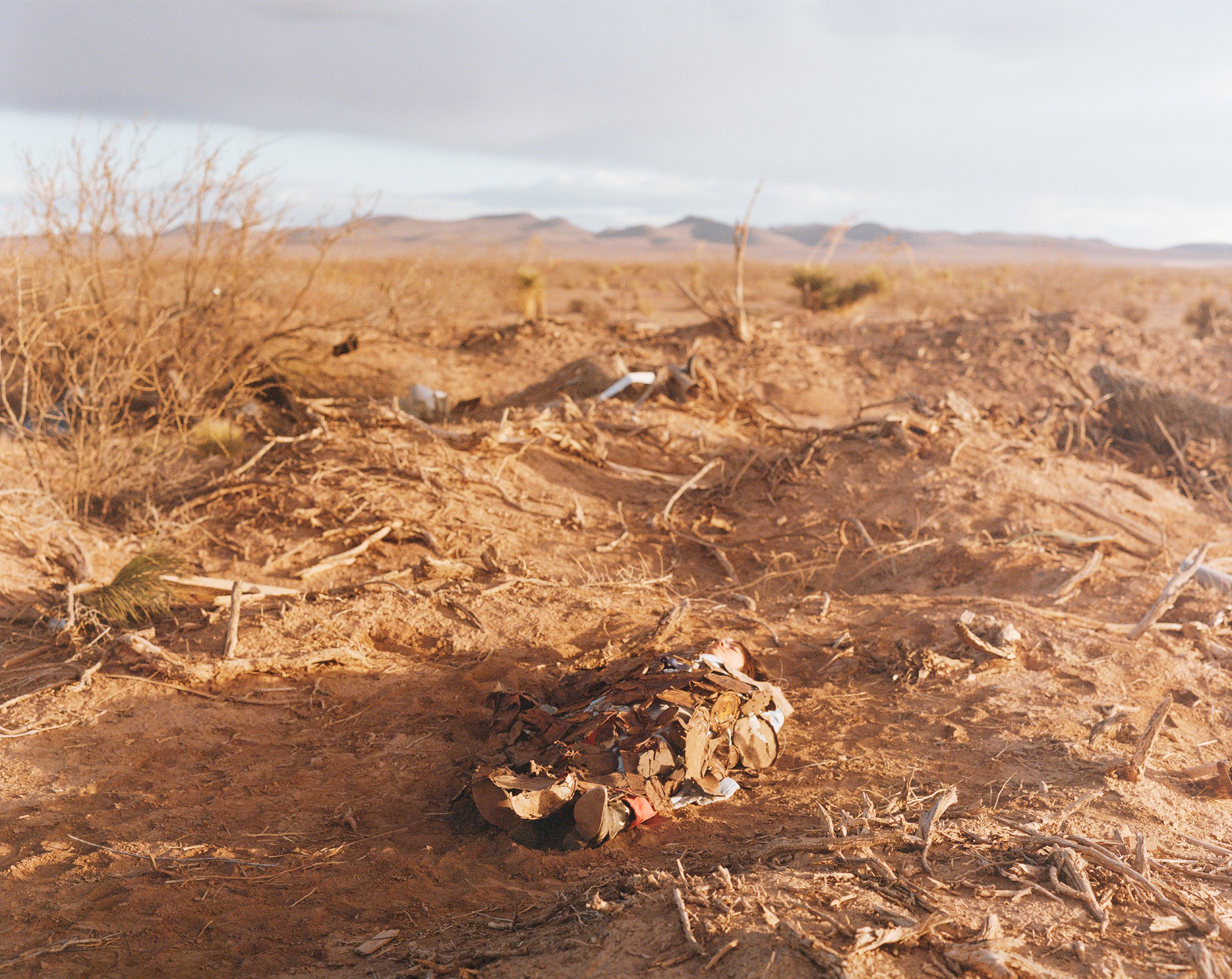
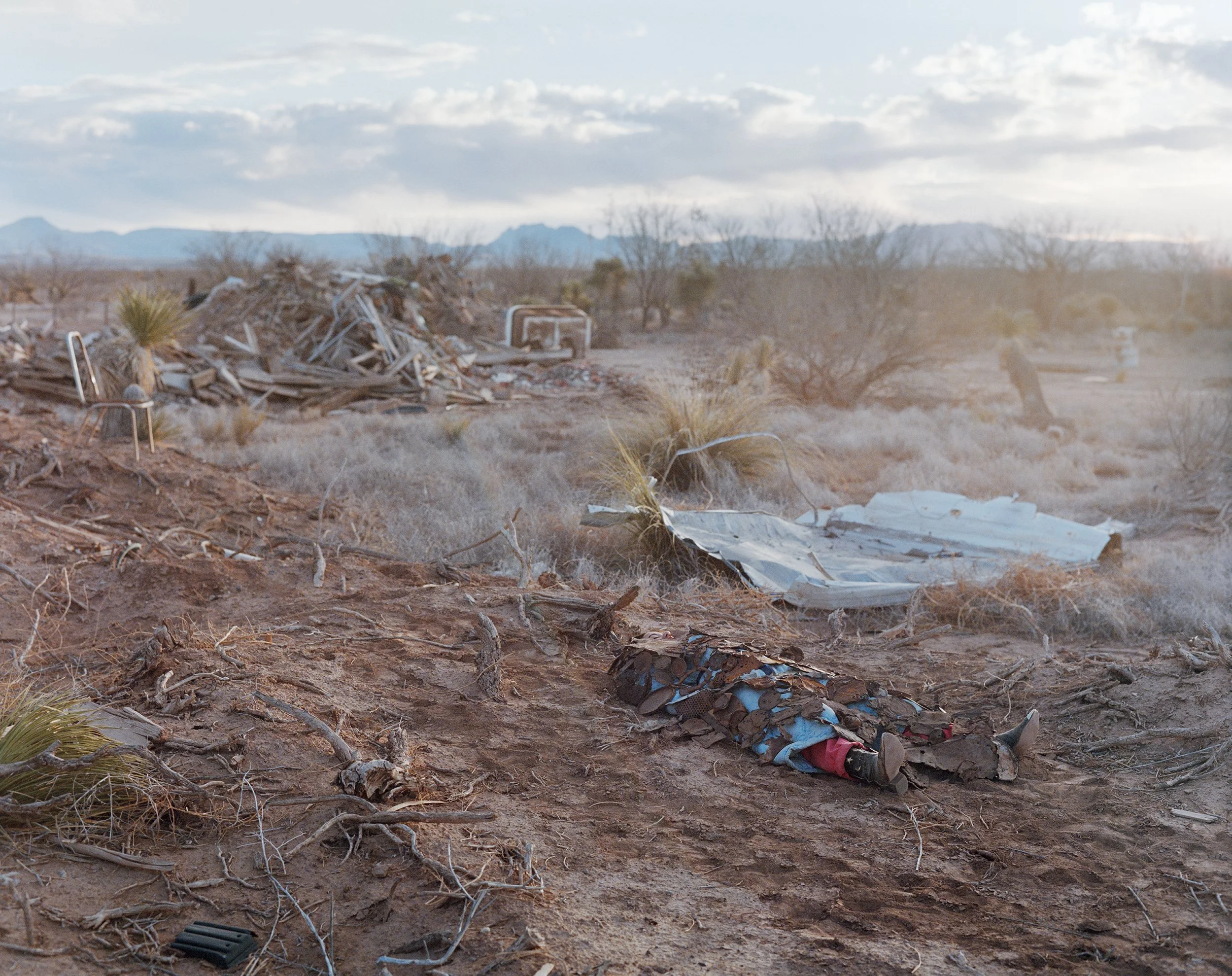
JF: You mentioned John Cage whose collection of work A Mycological Foray: Variations on Mushrooms, was recently republished. There are a couple of mushroom images in Bad Dogs. Maybe that was another unconscious influence?
PSG: Yes. I made those images not trying to connect to John Cage, but everything is interconnected like mycelium. I feel like that's where I've arrived, it's back to mushrooms.
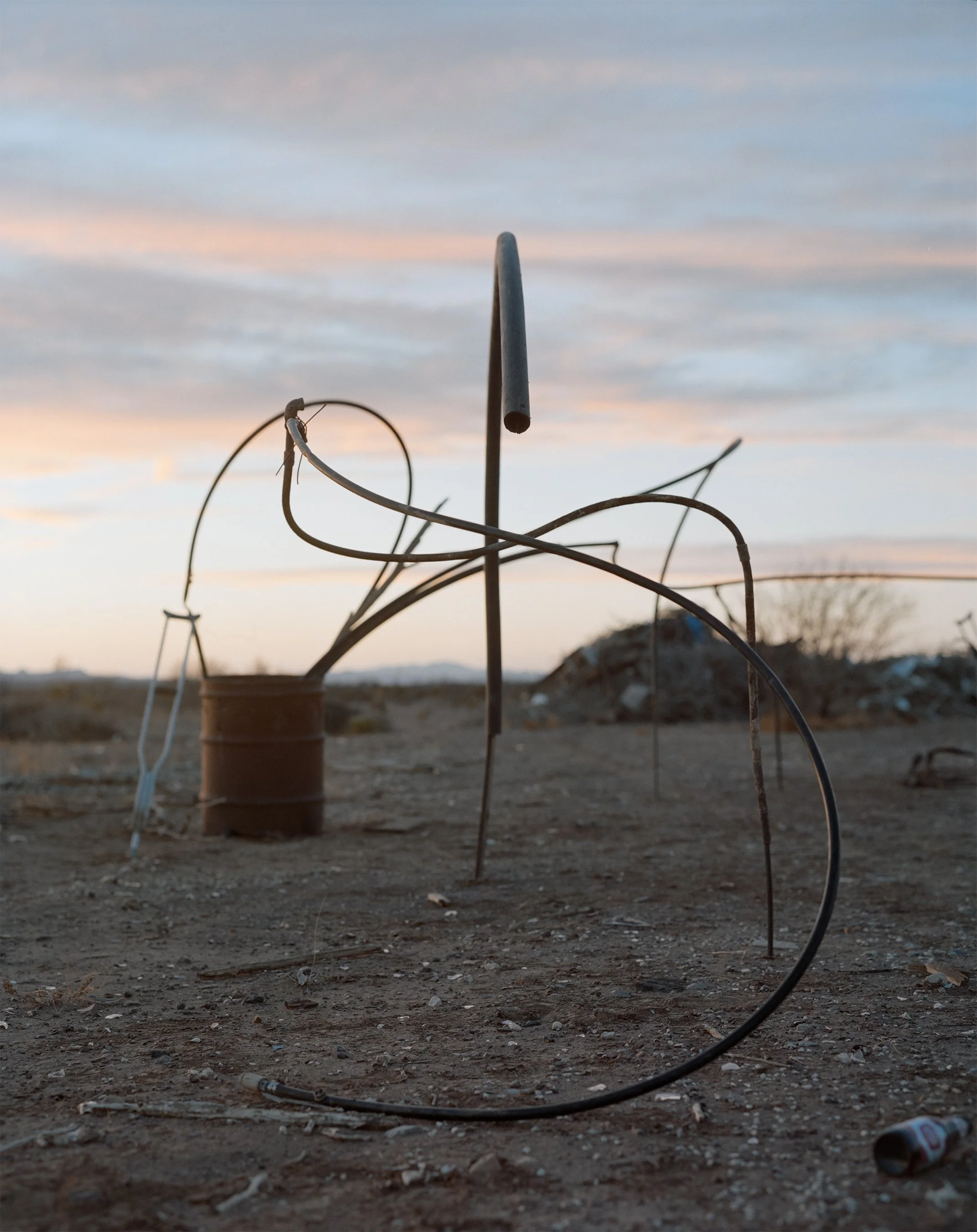
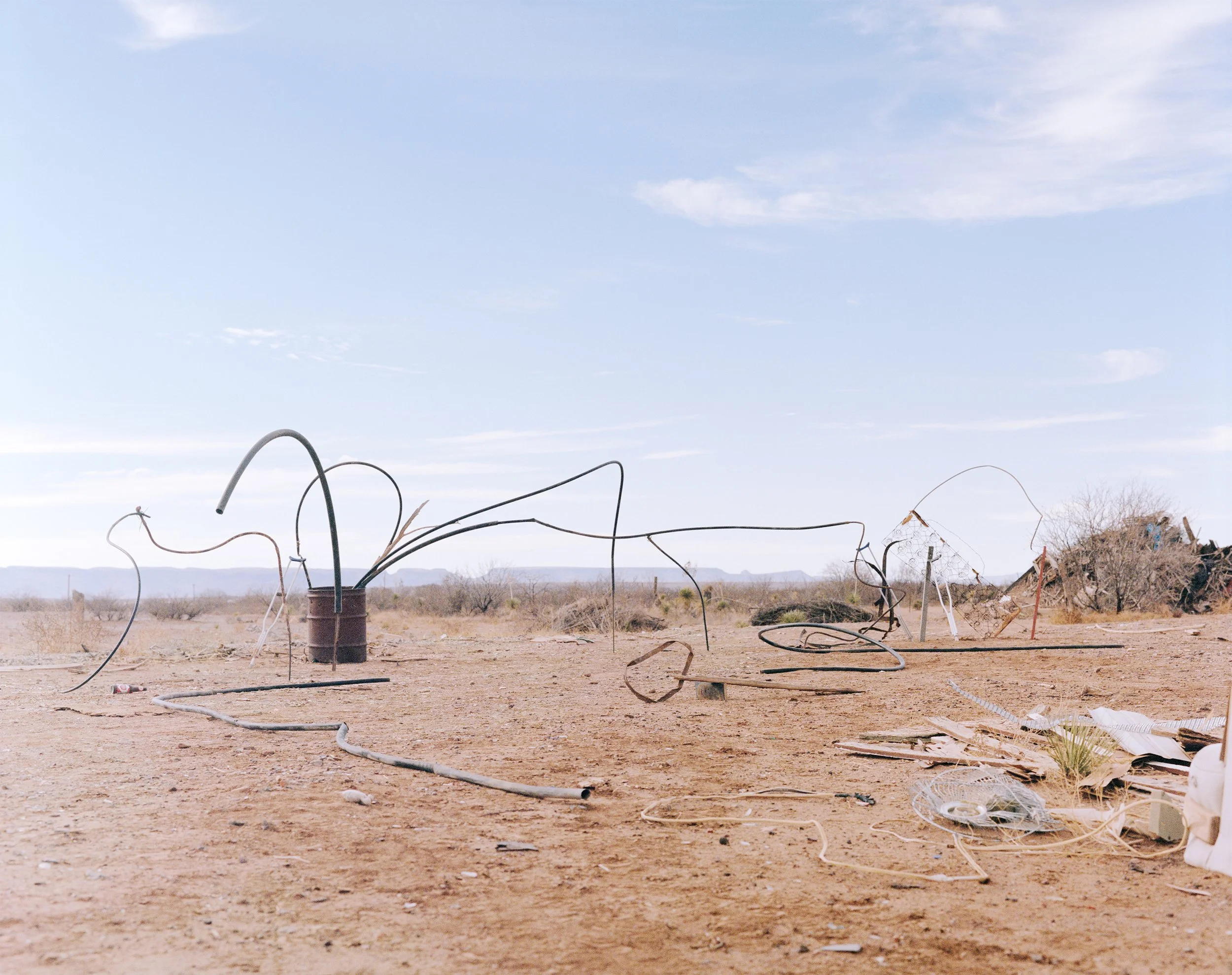
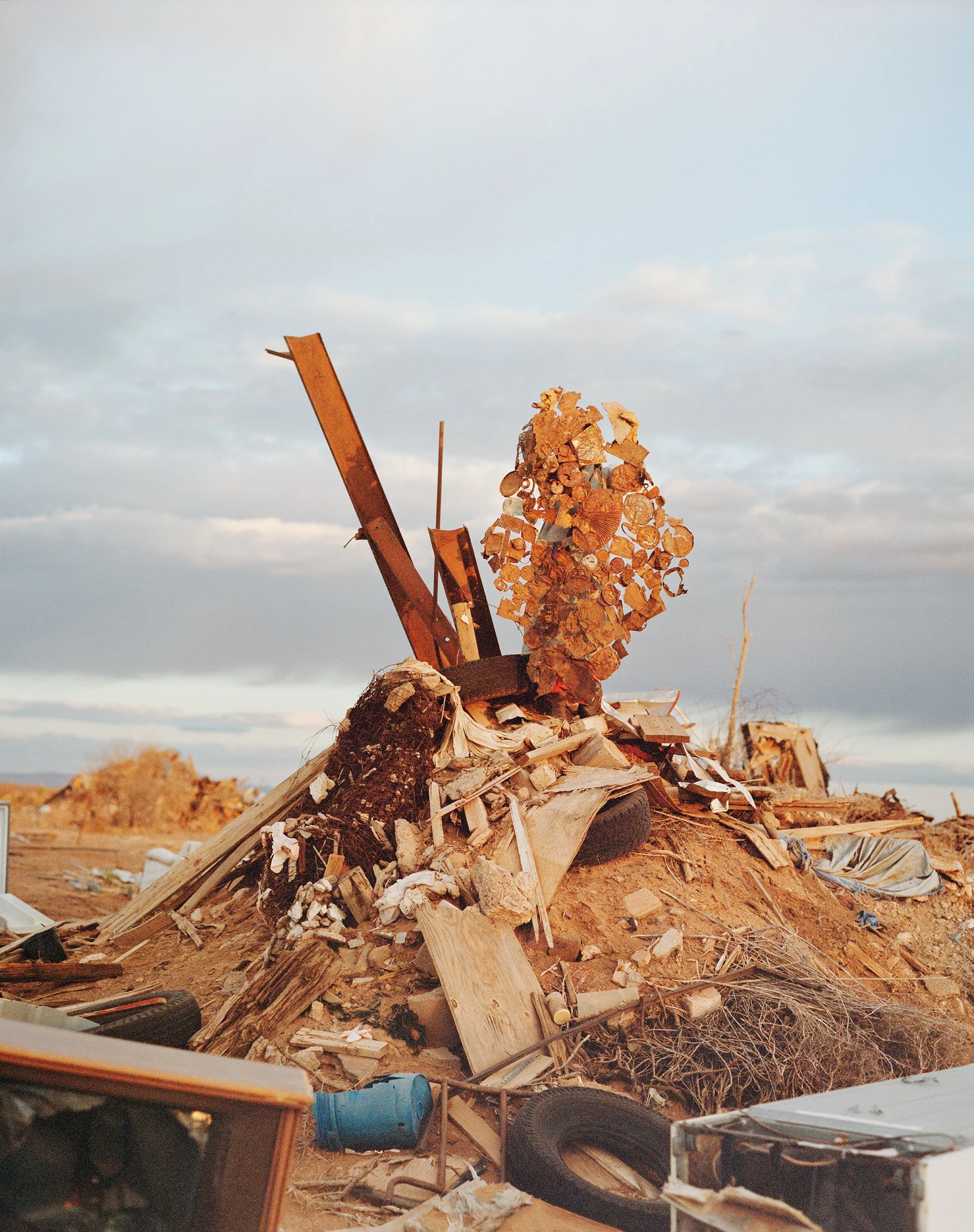
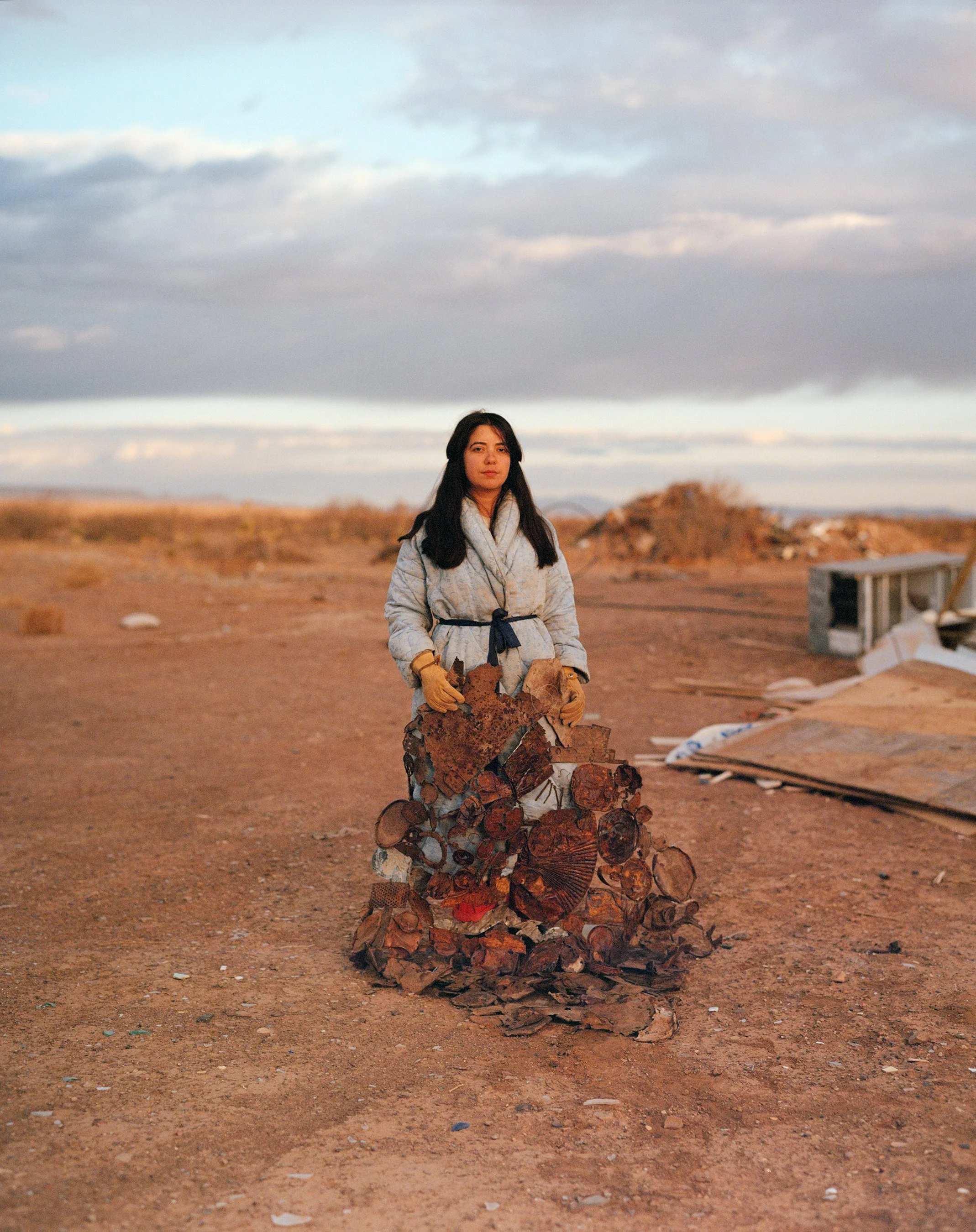
JF: In West Texas, you make similar use of discarded objects as artworks, but they feel much less about your personal life; though they still feel connected to that original project. I'm curious what drove you to make these works.
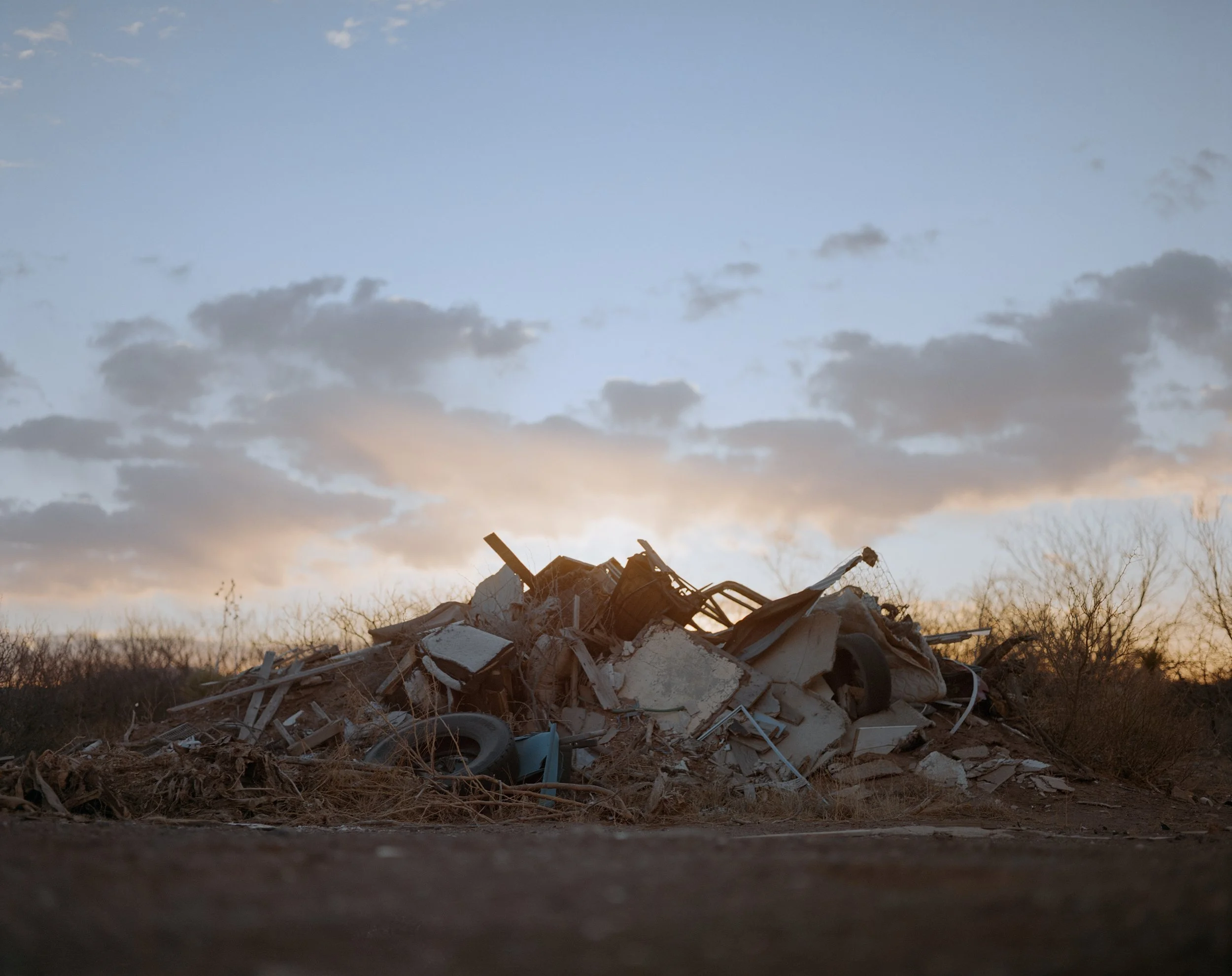
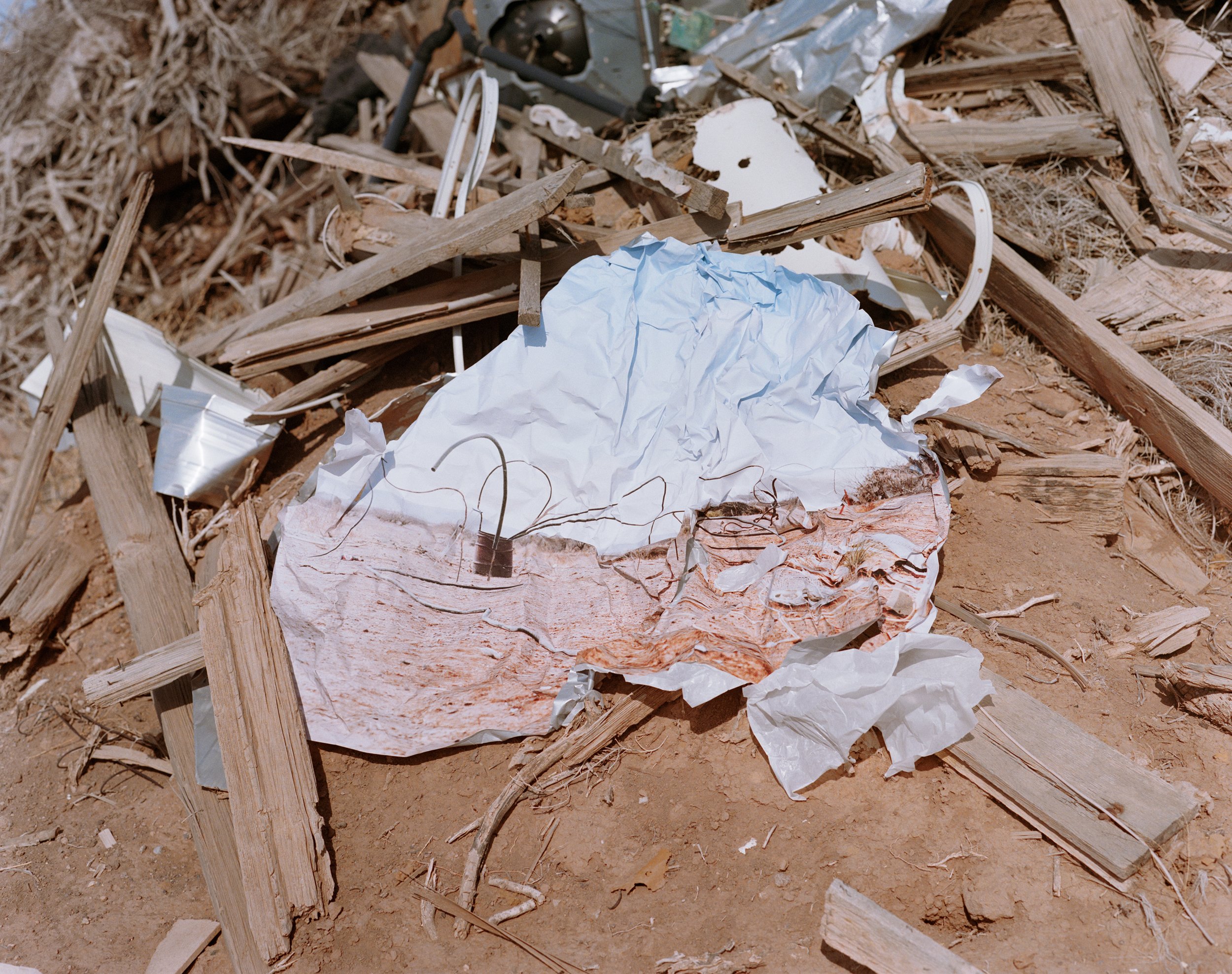
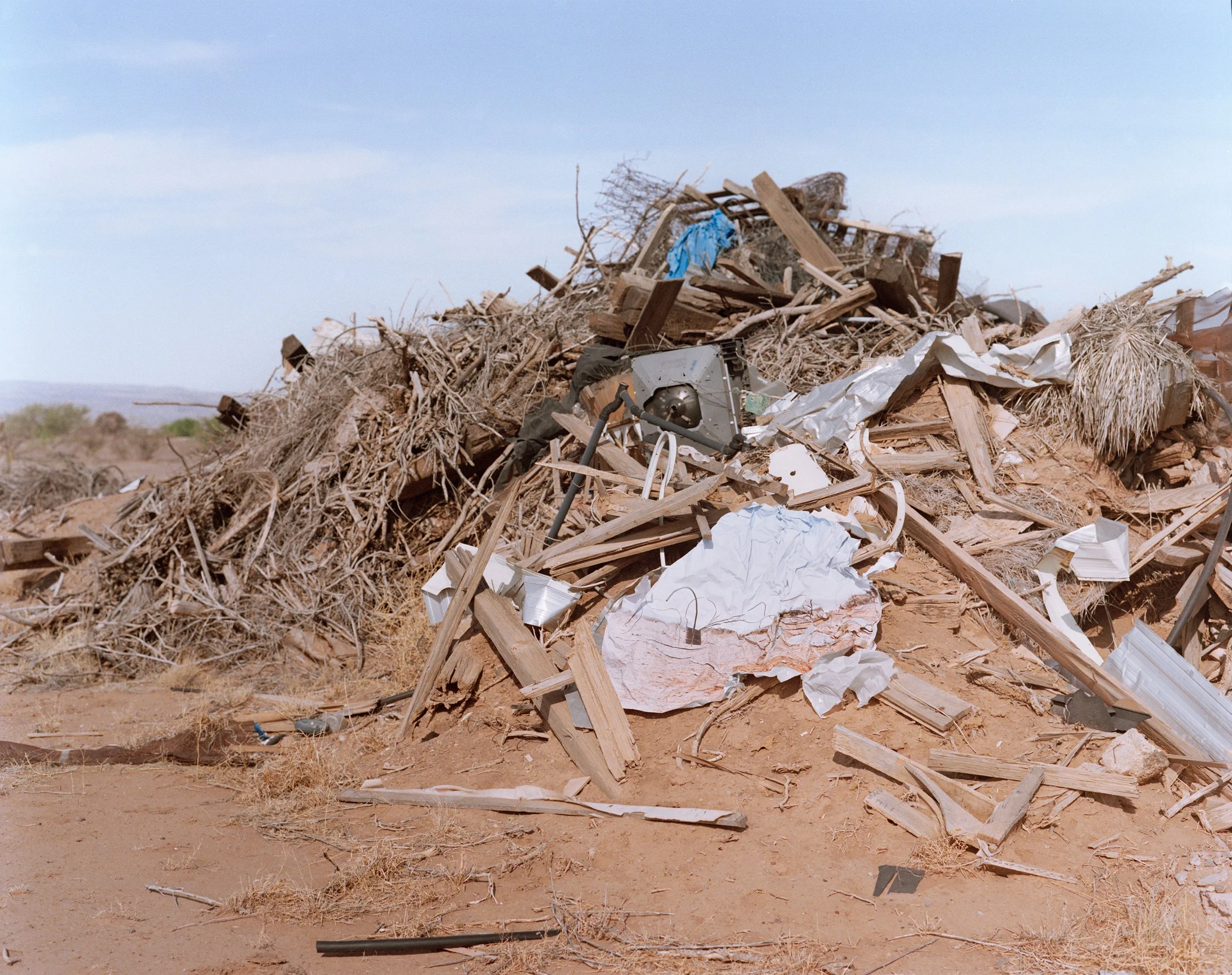
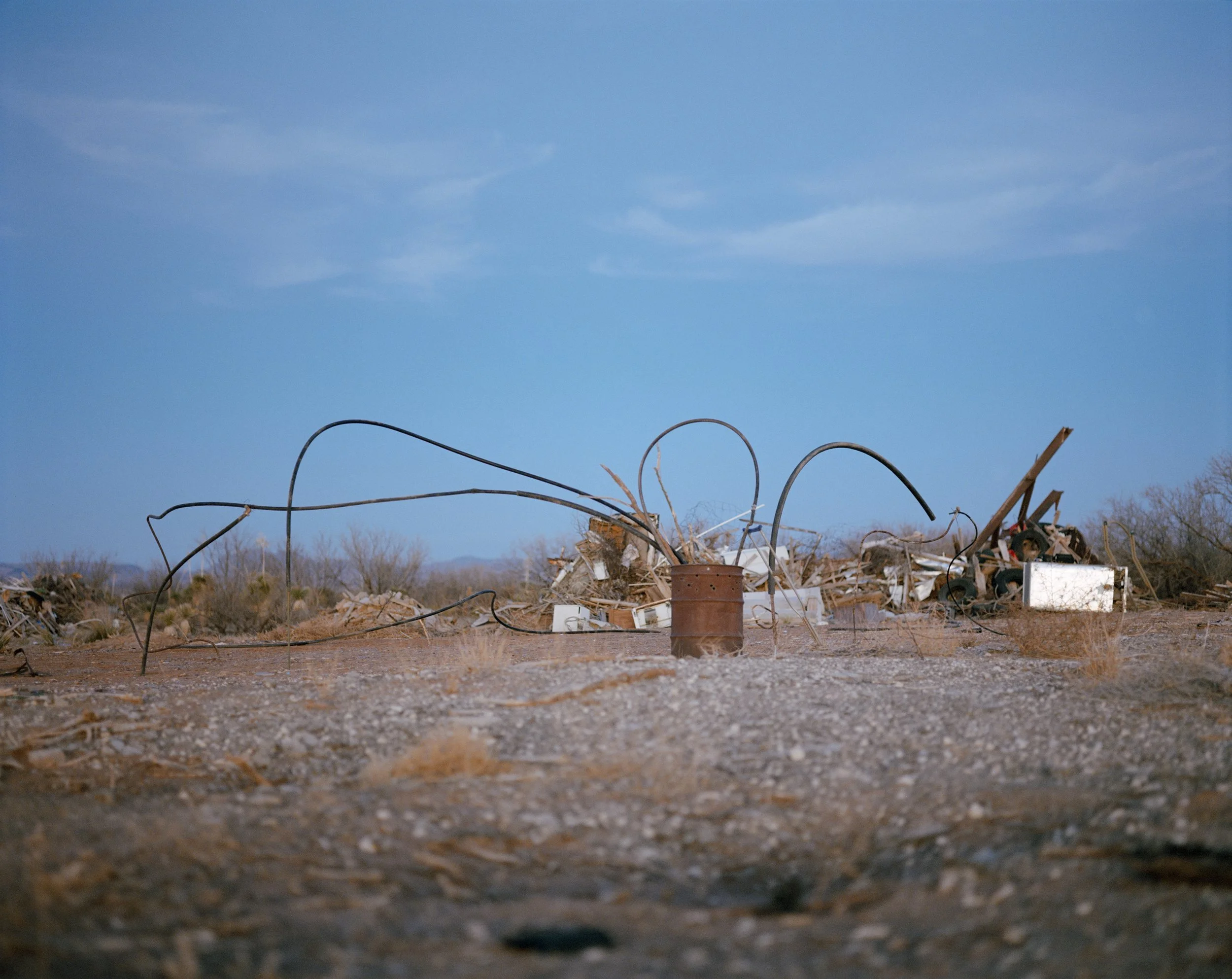
PSG: One of my classmates who lives in West Texas invited me out there. They knew I would really love the dump, which is an unsanctioned place where the residents of this small town, which has a population of 74 people, dump their stuff in the desert. Whoever owns that property got a fine from the town and they had to clean it up, but they didn't really clean it up. They just took a bulldozer and pushed everything into these big mountains.
Grad school was a challenge for me because I was so separate from my home, which is where I've drawn most of my inspiration from. I'm lucky that I made some friends here who saw that I would really like this place. So yeah, I started spending time out in the dump. Texas is huge, so this drive out to West Texas takes about nine hours and it always feels like you are leaving your everyday life to go there. There's something psychological about going on a nine-hour cleansing journey of snacks, podcasts, and just being out there for a long time. I’ve been looking for places that feel familiar. I was also trying to find how the roots of my work with my dad could translate into a continued practice, and trying to identify what that was.
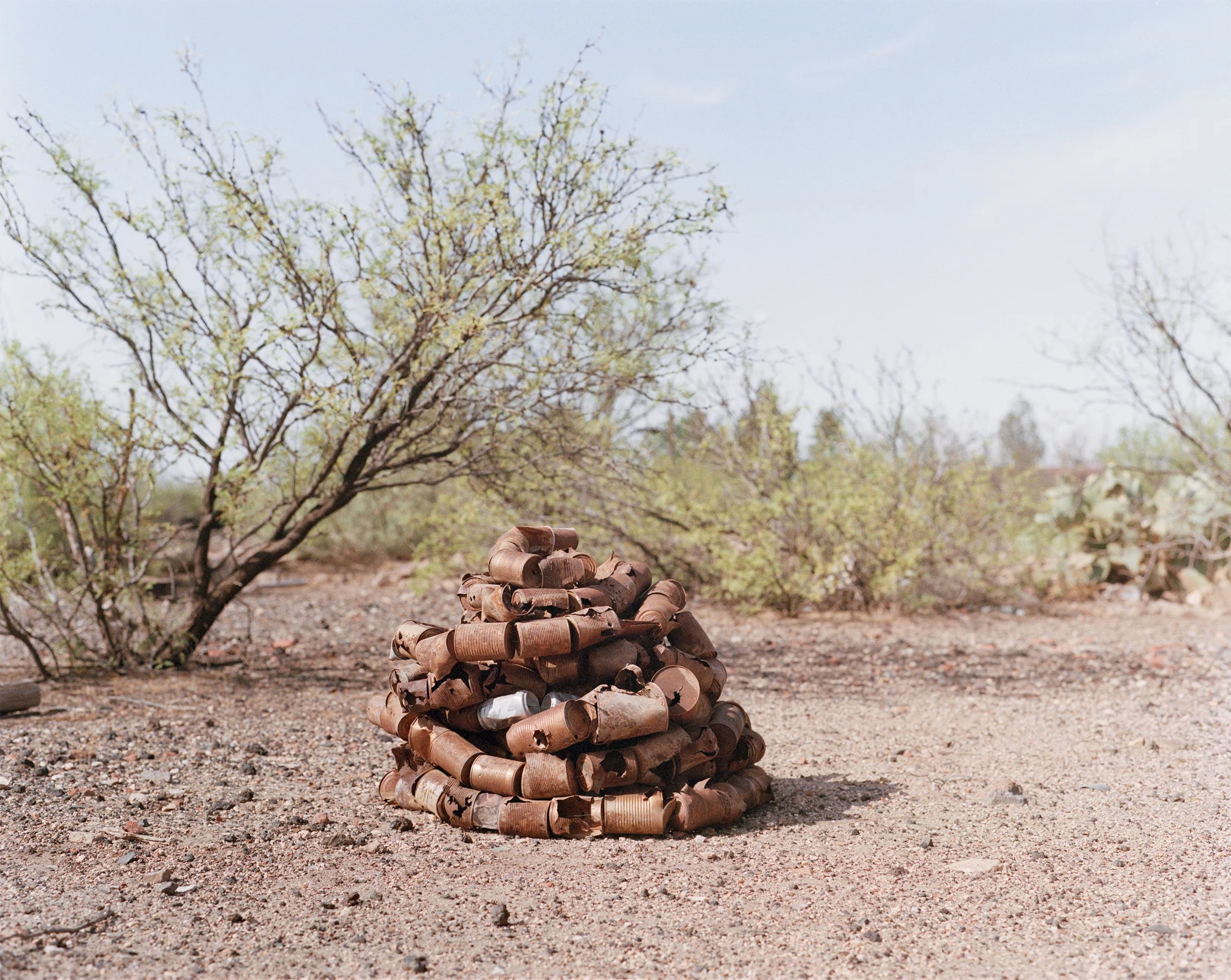
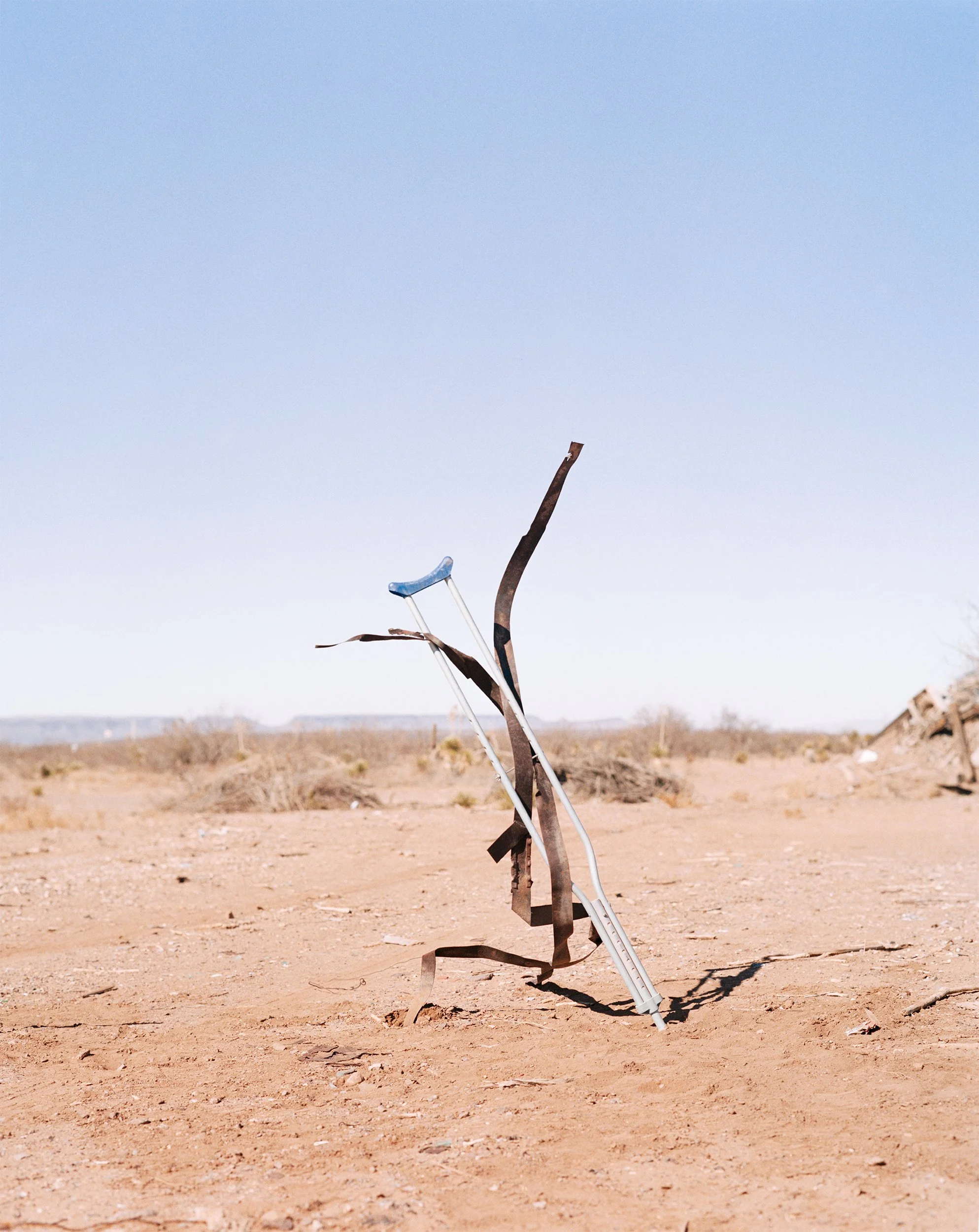
So for me, it's collaboration and trying to find a way to move slowly and listen to a place. To listen to how history presents itself through material and accumulation. It's been really amazing to have the opportunity to wander through the dump piles and see all of the things that people leave there. Truly some treasures. The desert dissolves things so quickly. I like spending time getting to know the different rhythms. How that pertains to stuff, trying to get rid of the separation between humans and the natural world. I think this feels very natural to me coming from where I come from, where I get to observe this integration every day.
JF: What's next for you?
PSG: The long-term photo book program is the next step. I graduated from UT last spring and went back to Rhode Island to teach RISD pre-college. I've been doing that a few summers. It's a good gig, always fun. Currently, I’m teaching at Austin Community College and UT and I’m the photo lab manager at St. Edward’s University. The plan is to keep working, making pictures, and figuring out how to be an artist.