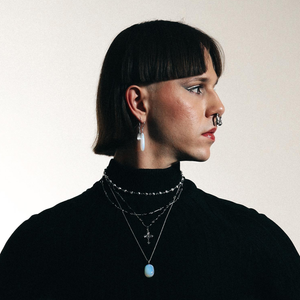
Rachel Cox
Photographer Rachel Cox won the Film Photo Award in 2024. Jack Fox catches up with Rachel on her work.

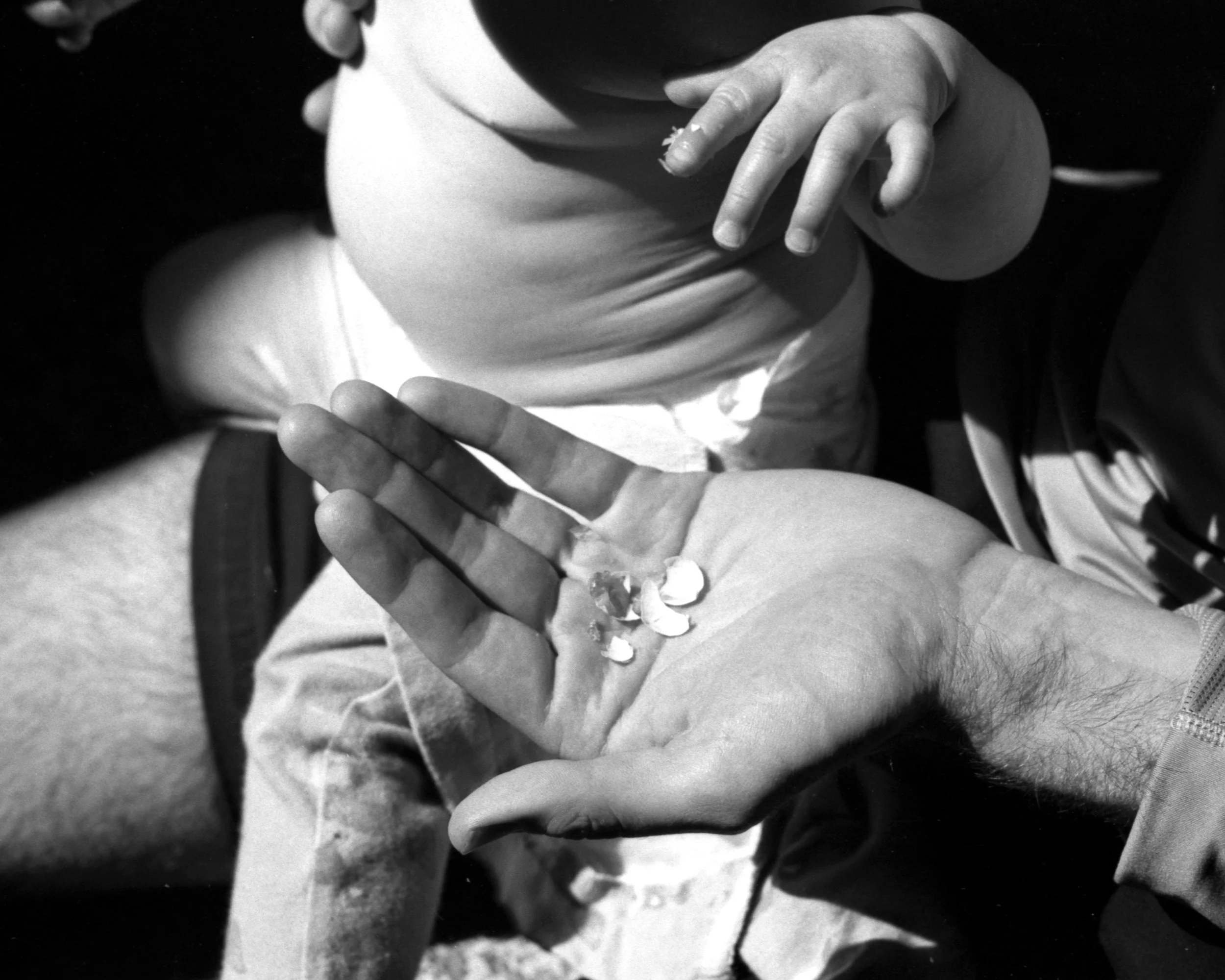
© Rachel Cox
Jack Fox: What initially interested you in photography and what keeps you working in this medium? Why film?
Rachel Cox: When I was 14, my dad bought me a Polaroid camera for my birthday, and it was the best present I could probably have gotten at the time. I took it to school and made pictures of my friends and would stage kind of stupid stuff. We made these candid snapshots in the hallways.
I really liked holding on to the images. I had these goals of filling shoe boxes full of Polaroids, seeing how many I could get. It was fun to take a shoe box over to my friends houses at the end of the school year and go through them.
I used this Polaroid camera for the next three years all through high school, and I graduated early, so it just seemed really natural for me to take an Intro to photo class in college. I went through undergrad totally before digital, so all of my foundation level training was in the darkroom. I didn't really realize it then, but I think that interest in darkroom was definitely related to the objectivity of analog, the tactility of it, and the craft that you put into it, kind of similar to Polaroid captures, even though they're quite quick and not nearly as labor intensive. I like this idea of having the object. I went through a fantastic community college called Collin County Community College. It's in North Dallas, and it was super broad. I took darkroom photography, and I immediately transferred to the University of North Texas when I was like 19, and finished my BFA, where I took all the analog classes. There was Intro to Darkroom, 4x5, alternative processes, color darkroom printing, things like that.
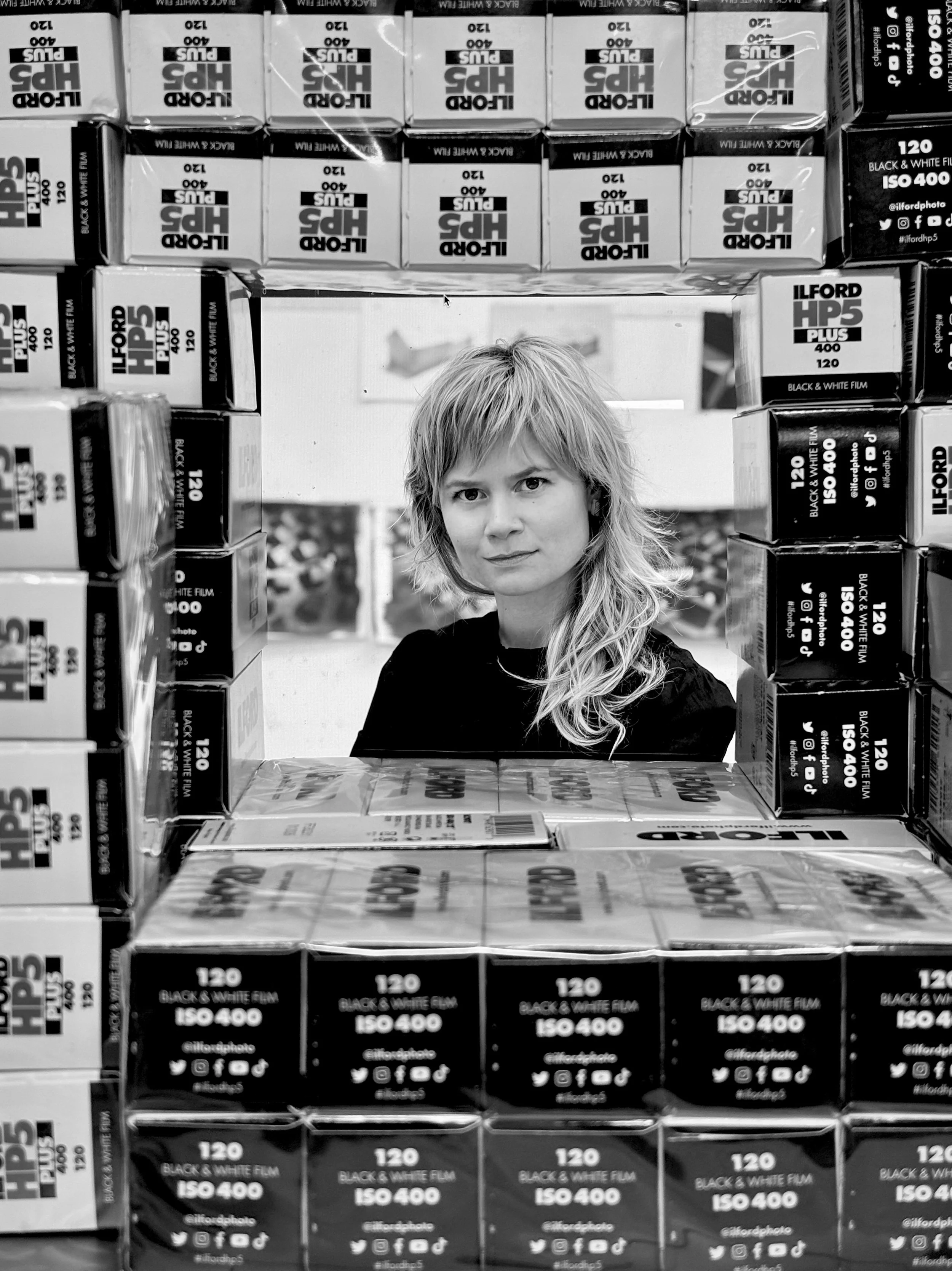
My cohort in undergrad, we were darkroom rats. We were there every day. We were doing naughty stuff in there too, drinking and hanging out, but we spent all our time there, and I made super good friends, and we were all passionate about this thing.
It was the community that I tapped into that I found really nourishing for me. At the time, the kind of pictures I was making were mainly of my family, of my grandmother. I did a project called Shiny Ghost that I published in 2015. It was a 10 year project that started in undergrad. Those pictures I made of my family, I really didn't possess the verbal skill set to describe why they were important to me, or why I was making them, or why pictures of people's families are really important to share.I didn't really show them to anybody, but I made a bunch of these pictures of my family. That set a base level understanding and interest in portraiture, which has carried on throughout my career.
JF: In those early stages of just running around with a Polaroid in high school, do you think that you knew you wanted to be a photographer at that point?
RC: No, I didn't think it was an option to make this a job. My parents were definitely worried about me, because I got in trouble a lot as a kid, and I had very bad grades. I graduated early only because I turned it around. My junior year of high school was when I realized if I applied myself and actually really tried, high school was embarrassingly easy. Once I tried, I got all A's, I got out early.
I think making all the pictures then was a fun thing to do, and it was something I was doing a lot. It wasn't a trend or something I picked up one weekend,I still have most of those Polaroids. I didn't take very good care of them, so they're really faded.
Even when I went to community college and first started taking classes in photography, my parents thought it was just a phase. I had told them I wanted to go to cosmetology school, my big thing was to learn how to cut hair and work in the mall. That was my dream. But at the last minute, I decided to go to college, took photo classes and just kind of kept on following that pursuit. I probably got serious about it in undergrad. That's when I really thought that this was something I was interested in, and actually, not just photography specifically, but a creative life, the art community in general, was something that I really got a good exposure to while I was in undergrad.
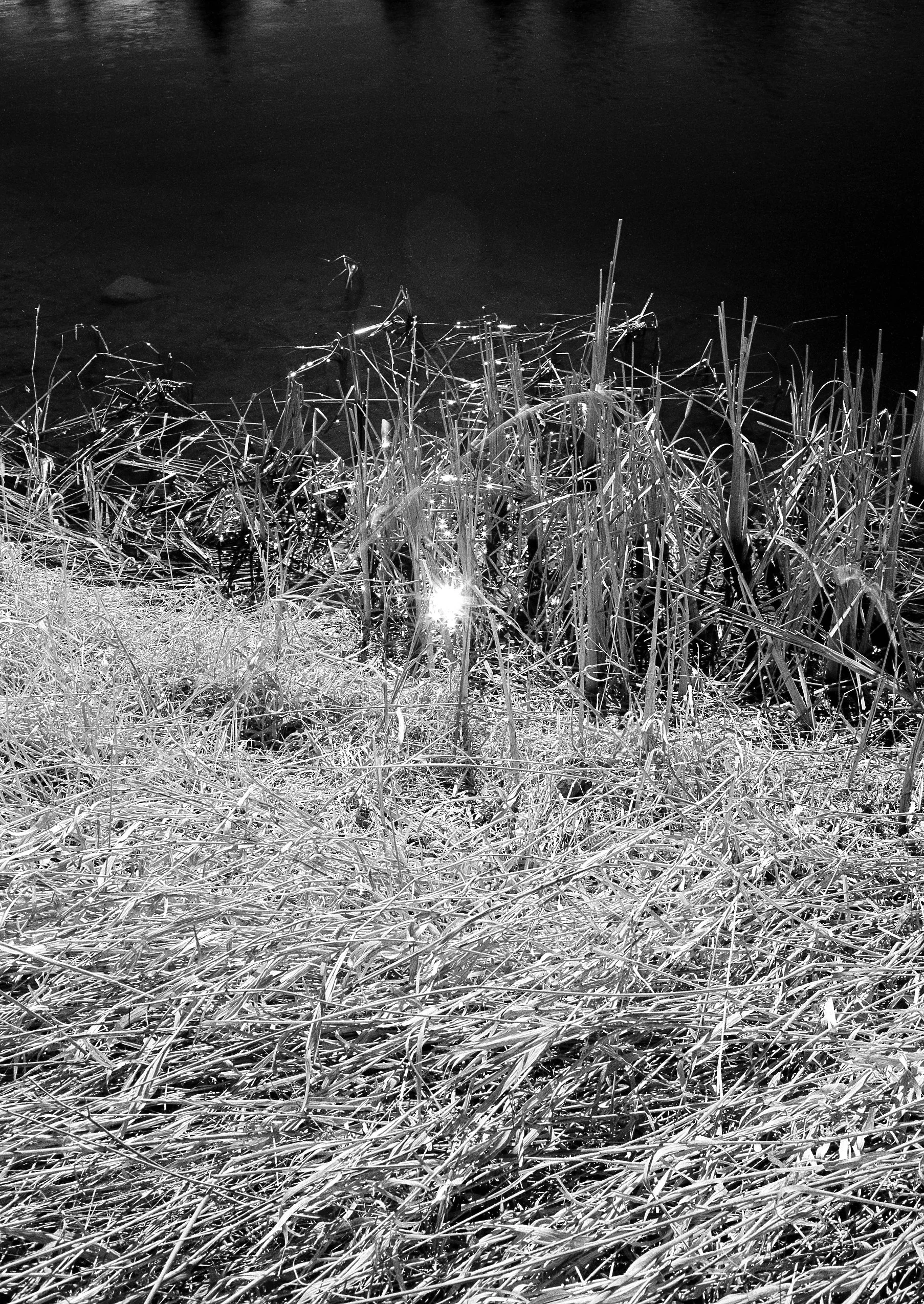
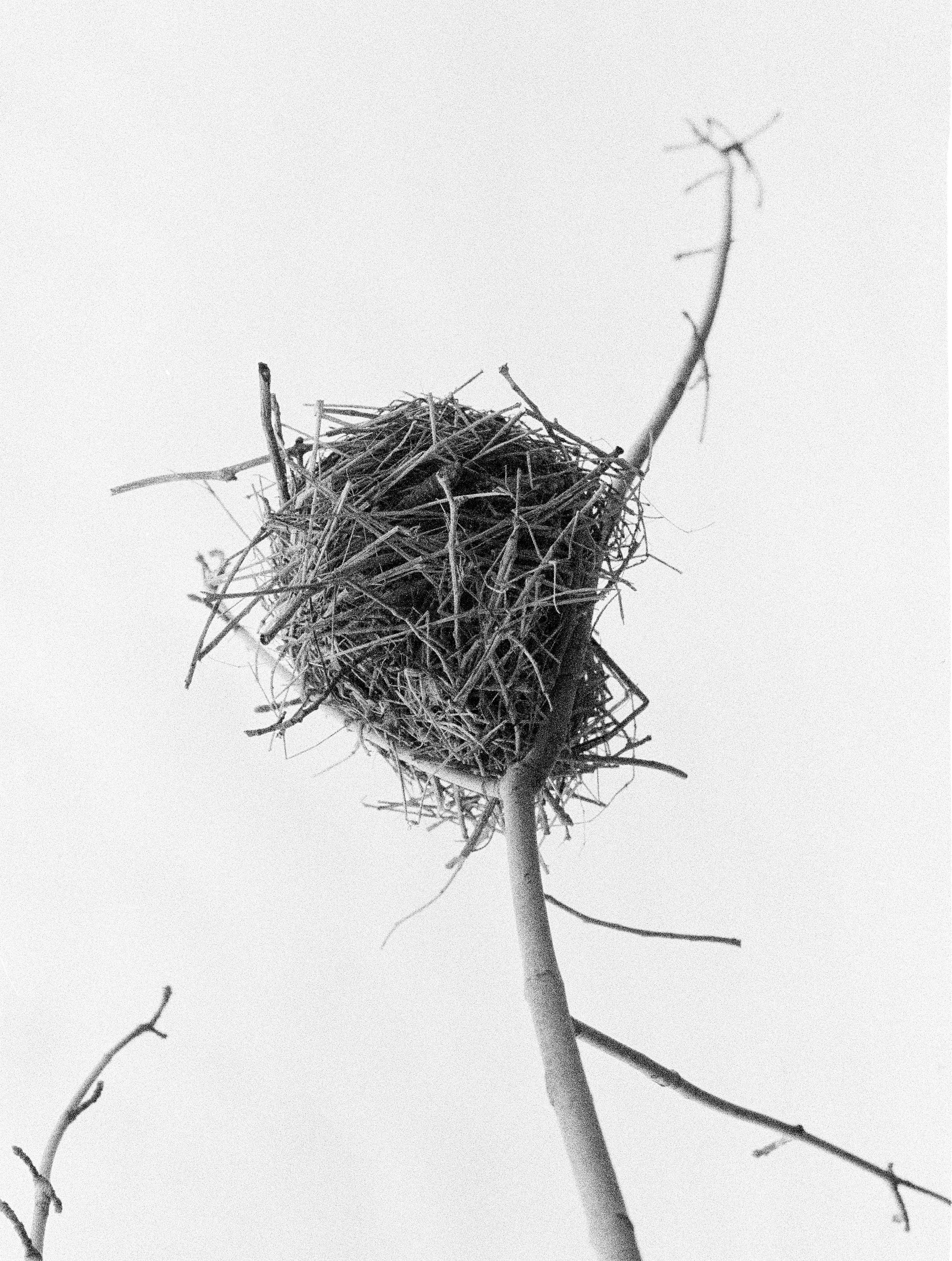
JF: Oftentimes visual artists can find the aesthetic they prefer to work in and remain fairly sedentary in that, to varying degrees. When I look at your work, it's pretty apparent that you not only build a new aesthetic framework with each series, but that it is very fully formed and thought out. I'm wondering if it's important to you to shift the mode you work in when you move from series to series.
RC: No, I would love it if these projects actually looked similar sometimes, I think that's always been something I've been really self conscious of, that authorship in terms of a consistent visual aesthetic is hard to detect in my work, though I think the conceptual threads are definitely there. I find I get bored really easily once I problem solve an idea like, Oh, I'm interested in making a picture of this thing with that. What might that look like as a picture?
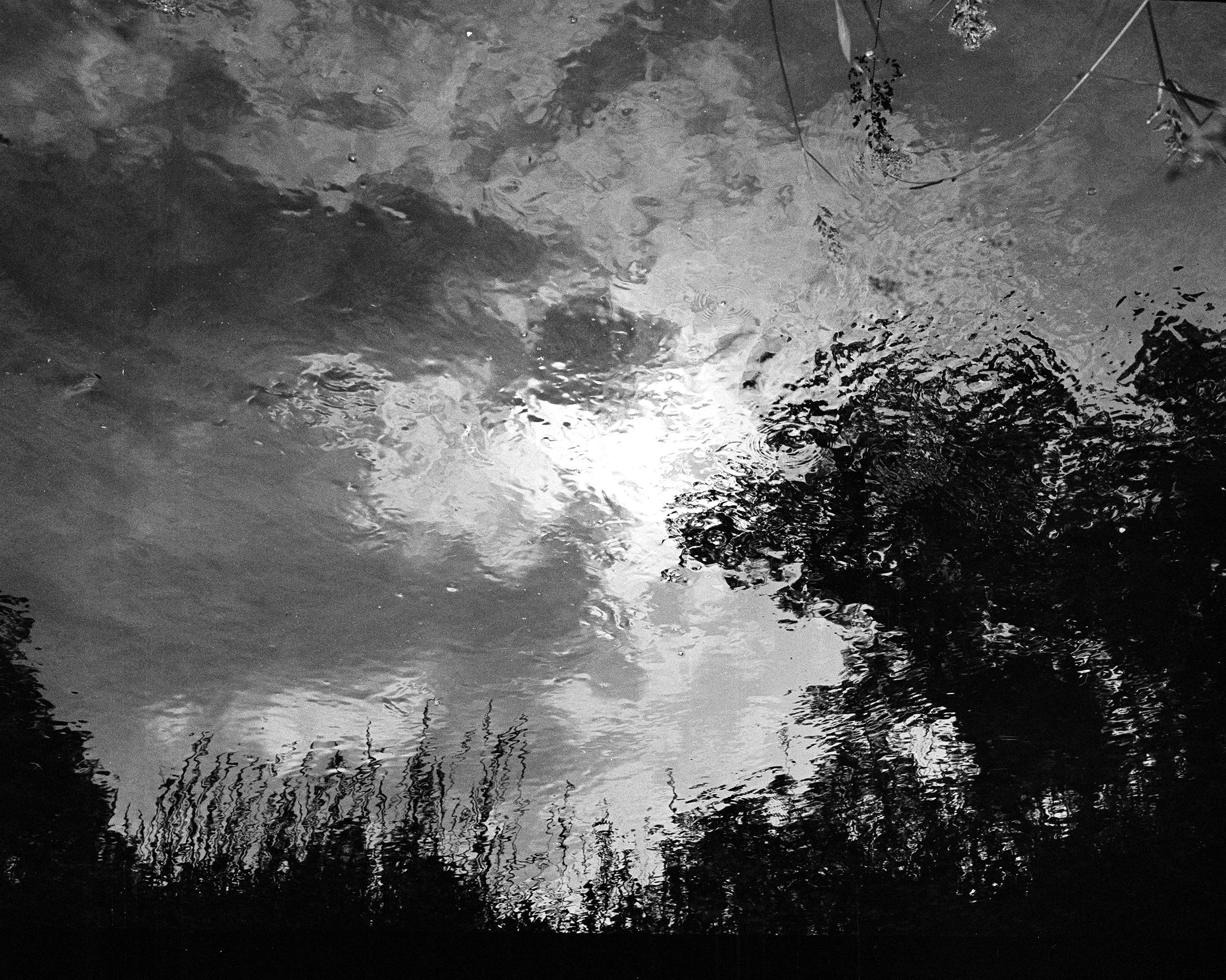
The only time I've done that to any really large degree is with Mors Scena, my series of funeral homes. I was really invested in traveling throughout the Midwest for that work and finding different funeral homes that fit within these parameters. I really felt like a photographer. You know, these photographers you hear about going on these road trips, like Alec Soth. They meet all these different people and have these fantastic stories. I really wanted that. That body of work made sense for that way of working. After I went on about 25 trips, I was kind of bored. I felt like maybe I was repeating the same image. Also covid happened, which was a natural halt to that series.
I think the way things shift visually is because I'm problem solving. I'm interested in making something that I haven't seen very much before, or I have a very specific way I want to say it visually, and it's never the same. It's also really exciting that way. I'm constantly learning new processes.
JF: When I saw the cyanotypes in Wake Up, they surprised me because seldom does it ever happen with photography that I have no idea at all how something was made or can’t trace the steps in some way. Honestly, those are amazing.
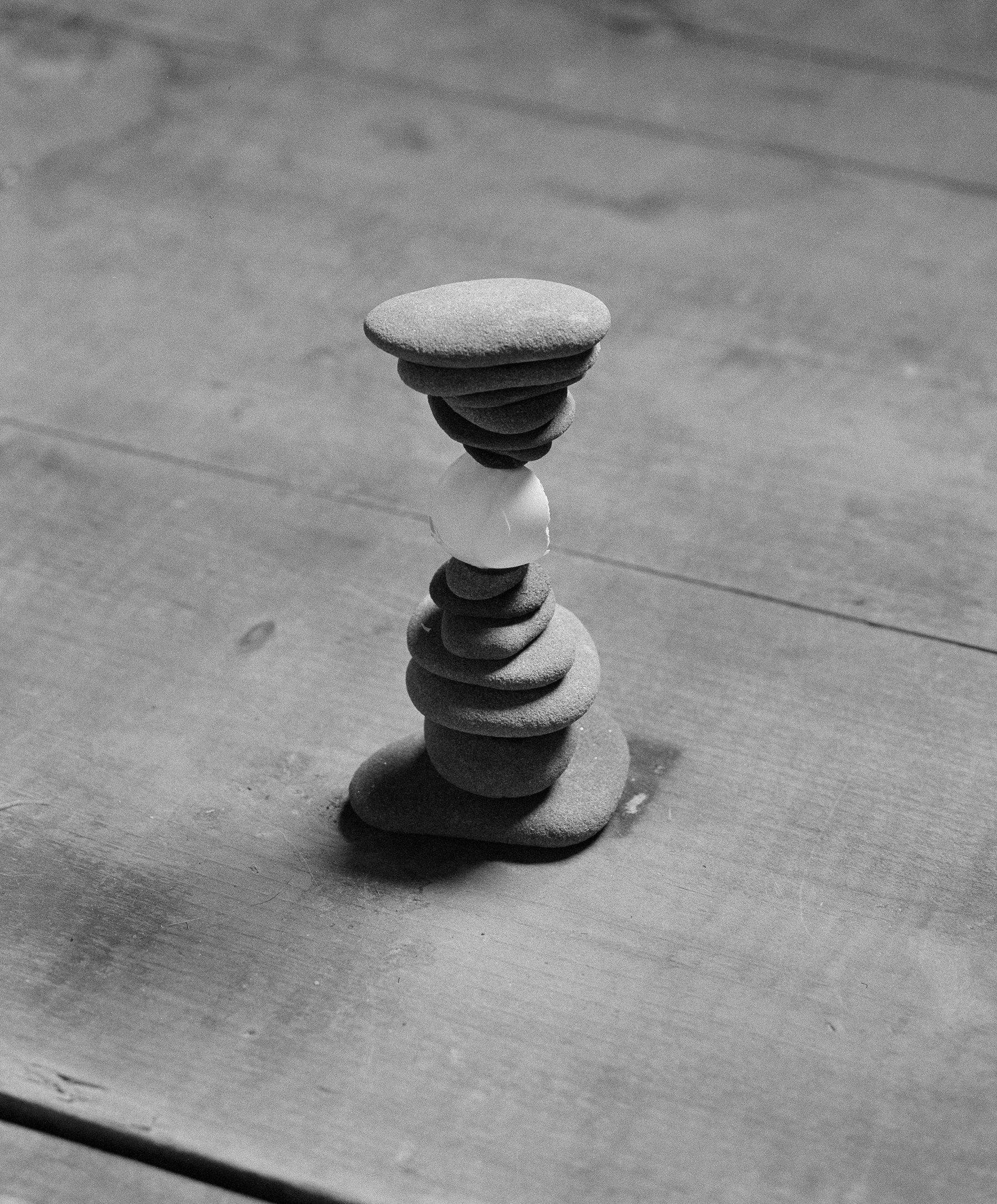
RC: It took a bit to get them that way. Before I wasn't toning them, they had that very intense cyan tone, right? It was too loud for me. I was realizing the process was getting in the way of experiencing the image so I tried a lot of different types of toning and bleaching to try to shift the way they were looking. They look kind of like lithographs too, or an AutoCAD blueprint drawing or something. That's something I really love too, the questioning of the way that something is made, but not in a way that's going to feel overtly gimmicky or get in the way of the thing you're trying to have someone look at. It's similar to the way that I work with gum bichromate prints.
JF: Were the cyanotypes born out of the pandemic and not necessarily being able to photograph out in the world?
RC: A little bit. I wouldn't say that I did it because of the pandemic, I would say it was possible because of the pandemic. I didn't have access to a lot of spaces. I needed to be really strategic with the processes I was using. Where my studio is I'm around a bunch of painters, and I love this notion of a painter going into their studio and just working on their piece of art, and then leaving, coming back and working on it some more. It's this thing they just get to go do in that space, and they have their coffee and their music. I really wanted that. I wanted to be an artist where the thing I'm making is in my studio and not have to drive around all over the fucking place to take pictures. I was really tired of the road trip, as you can probably imagine, so I was like, oh, I want to make sculptures. That's what I'm going to do. I'm going to make sculptures of these houses.
JF: You won the film photo award for your series Portrait of a Woman. Can you introduce this project and explain how the award aided in the development of it?
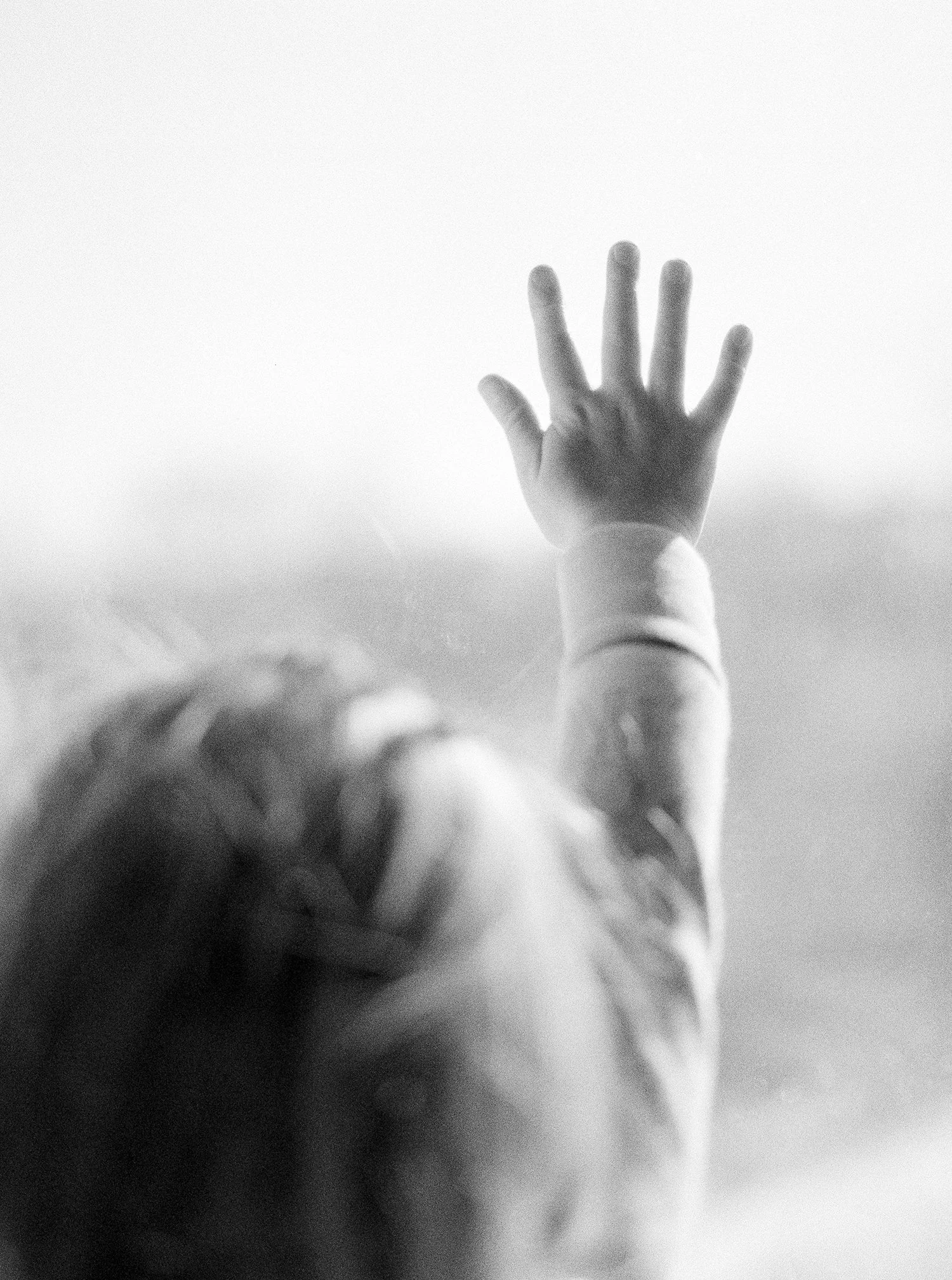
RC:Portrait of a Woman started in about 2021. The year before, I had my first miscarriage, and it was the beginning of my journey through multiple miscarriages and learning about my infertility situation, which resulted in a number of years of in vitro fertilization. It was emotionally really jarring for my partner, Matt and I. I was very inexperienced with this base knowledge about how my own body works and how common infertility is and was not prepared for going through IVF and doing the injections. You have to sort of organize your schedule by these injections you take. You do multiple months of hormone injections that have to be done at the same time of day each day. Your calendar gets pivoted around these things.
Since that was comprising my daily life, as well as mentally, all my thoughts were going to this thing. That's what made the most sense to photograph, I couldn't possibly be creative in any other way. All of my energy was going into this situation. When I started making the pictures, I knew I wanted to photograph the injections. I'd never given myself an injection, I'd never used a needle, I didn't know what this looked like. So I just started googling images of IVF injections, and I found almost none.
The pictures were meant to record something I hadn't seen before, to process something that was difficult, and also try to figure out a way that my partner and I could shape the narrative of our conception.
When you hear people talk about trying to conceive, it's in this fairly idyllic way, like oh, we're trying, which just means they're having sex and they're trying to be pregnant. For a lot of people, it doesn't work out that way. When I started making those pictures, our conception narrative was pretty heavy. It had multiple miscarriages. I needed emergency abortion care. I was like, Okay, well, if we're going to go through this, I want to make these pictures that are going to be celebratory in some other way. We can't have sexual intercourse because you're not supposed to when you're doing IVF and you're on so many drugs that you don't want to do that anyway. So I was going to make these pictures that are as beautiful as I can possibly make them.
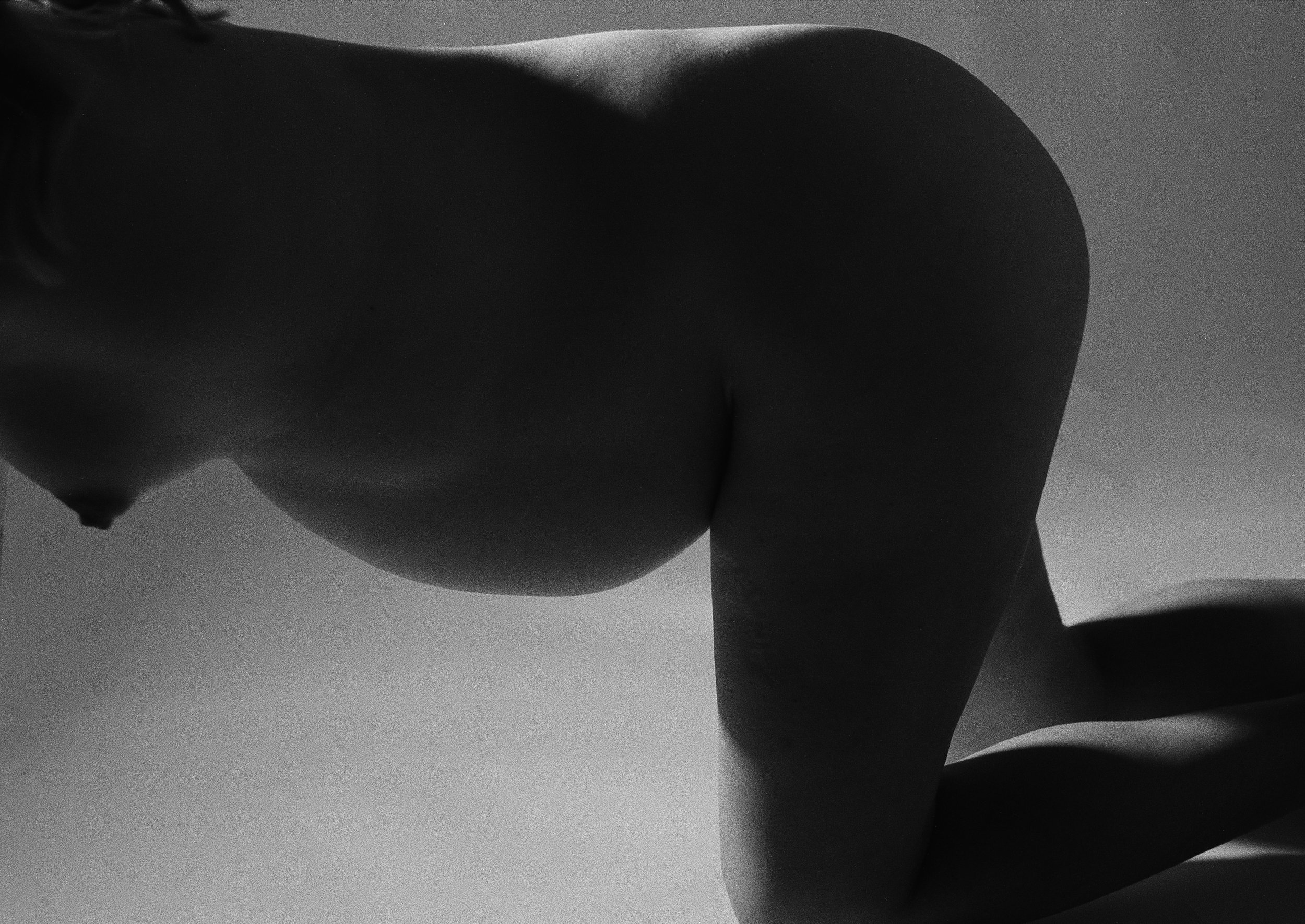
This idea of having a baby or becoming pregnant with IVF is super clinical and prescribed, and you have these daily injections, and it feels really strange. My partner and I wanted to feel intimacy in some other way, photographically. We collaborated on situating our bodies in the same room of our house every single time we would do these injections and trying to make the pictures look as different as possible each time. I tried different vantage points, different lenses, different cameras, until I tapped into a way of working, technology wise, that I was interested in. I was really inspired by Harry Callahan's photographs of his wife, Eleanor, and those pictures are really burned into my memory as some of the first photographs I was shown when I was in community college.
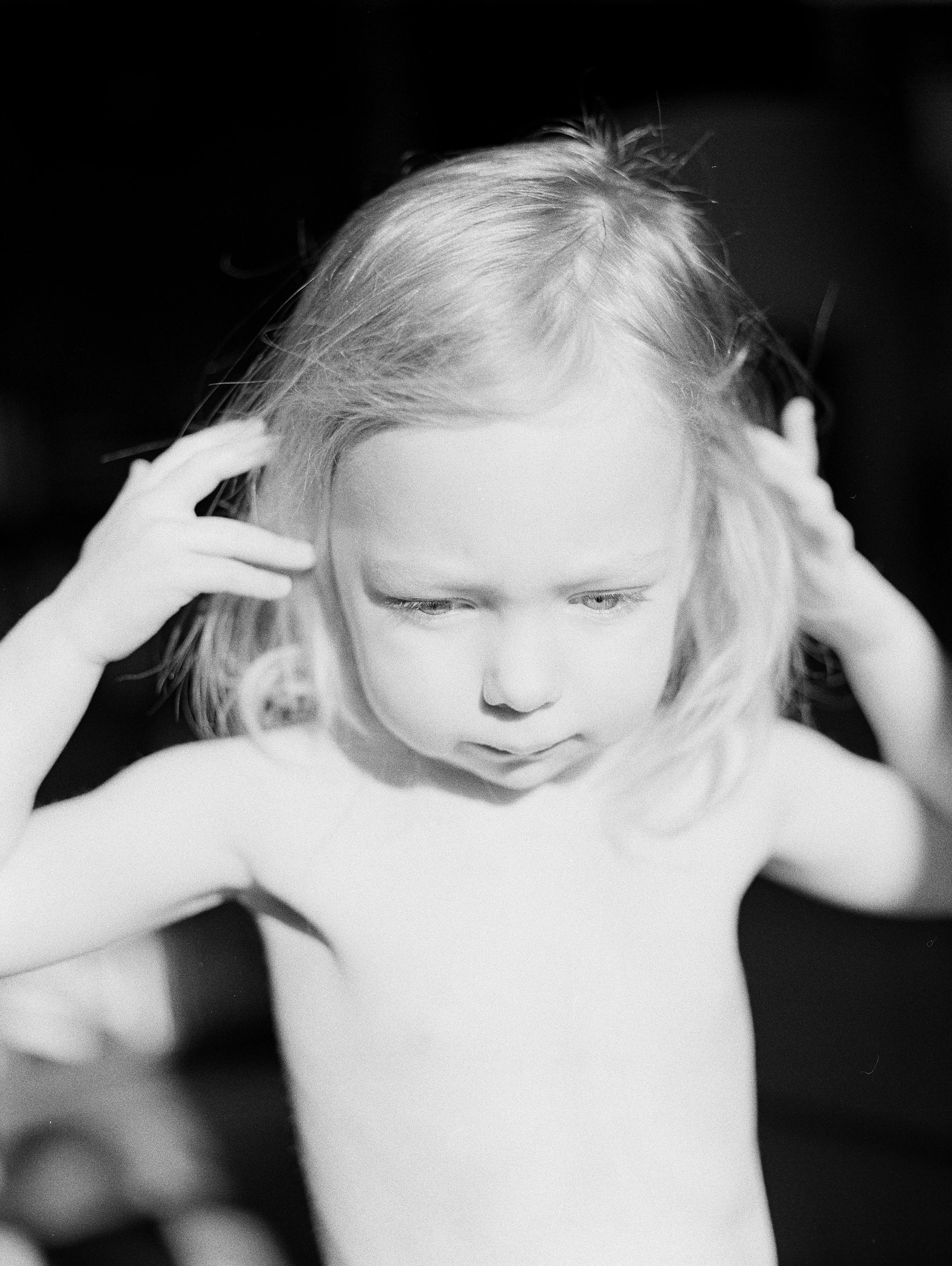
I really wanted these hyper romantic kind of modernist, black and white images with key lighting. I knew I wanted them to have a certain kind of feel. It just took me a while to figure out how to do that. I primarily used 4x5, and I used some 35 millimeter and a little bit of digital sprinkled in there. So a lot of different formats, but almost everything is outputted as silver prints. When I applied to the award, I was still making those pictures, but I was kind of towards the end of my IVF journey. I became pregnant with a donor egg. I carried my daughter, she's two and a half now.
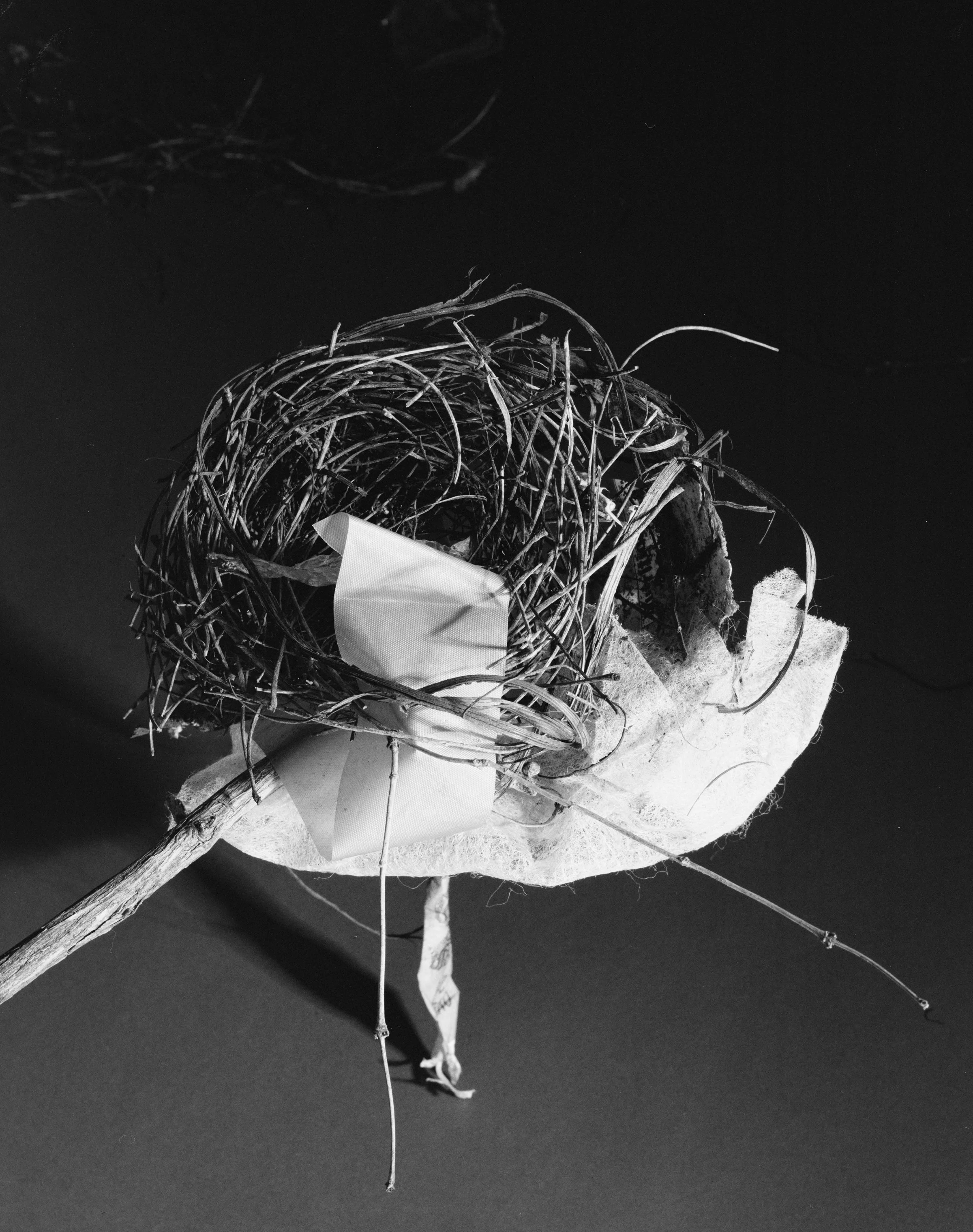
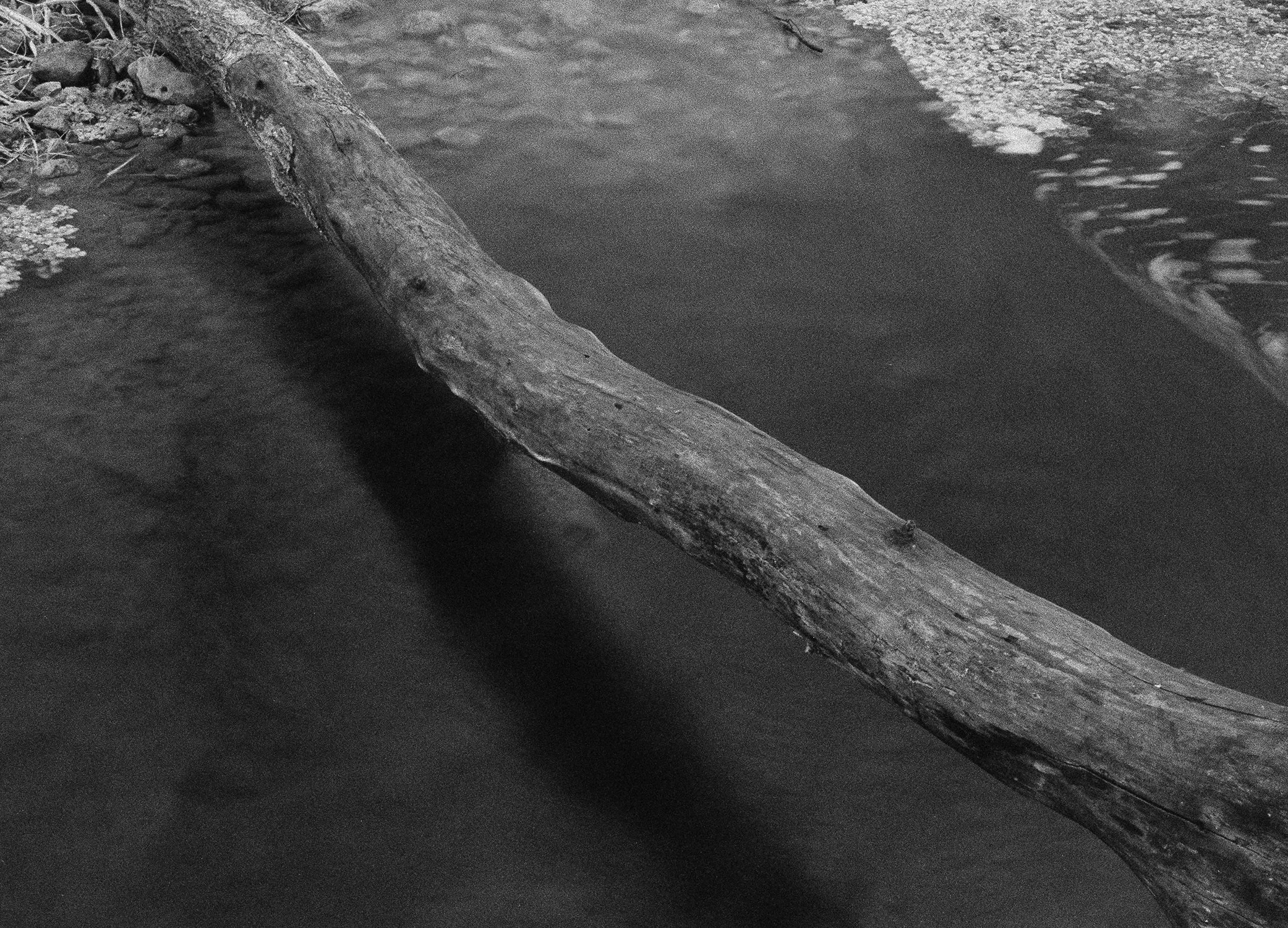
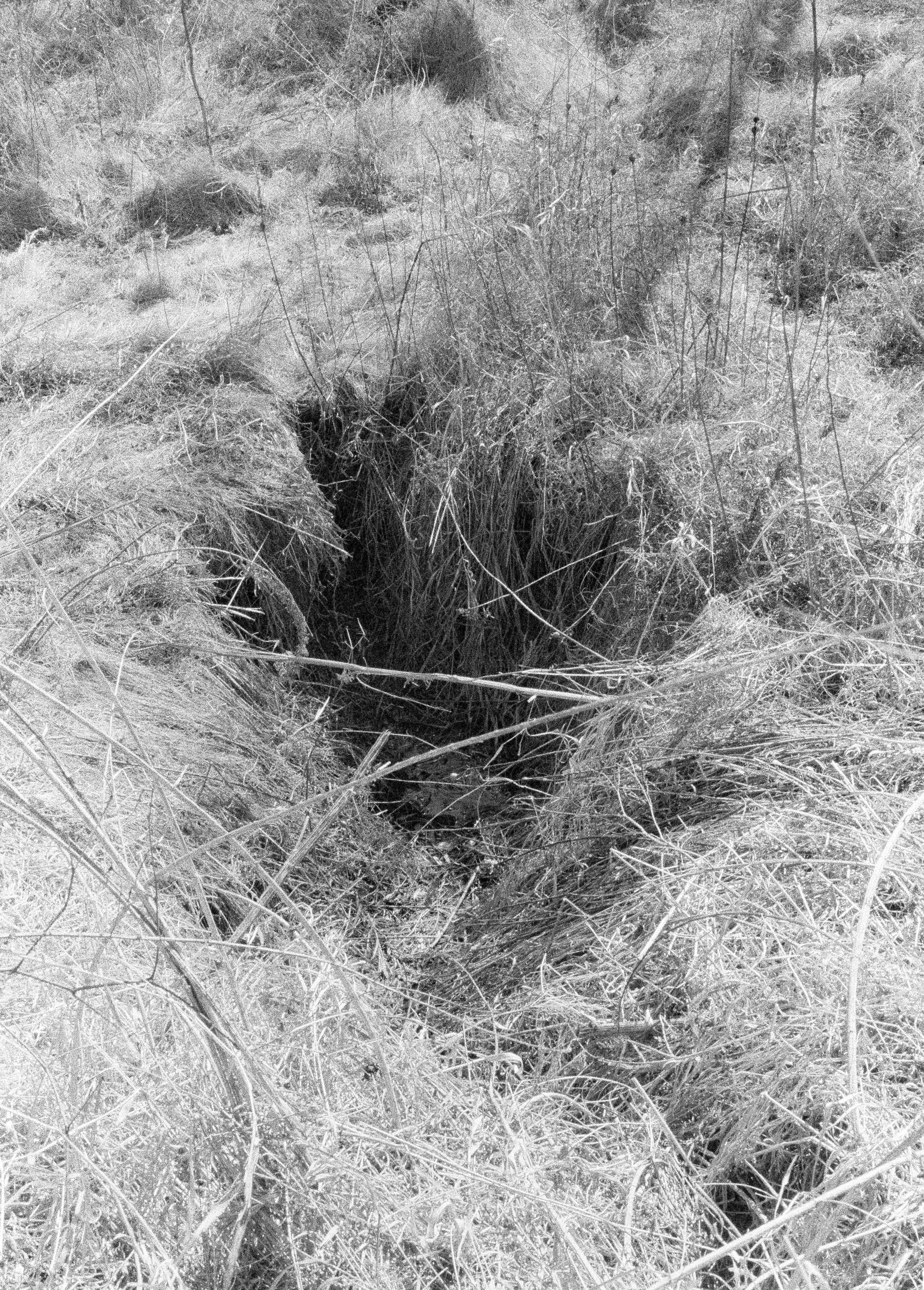
I really nerded out about developers, I was getting really into high acutance developers, which is a specific way that you can process film, and it changes the shape of the grain. If you use these kinds of developers on higher ISO films, which is kind of the opposite of why you would do it, traditionally, you're going to get a really pronounced grain. What I was really loving about these images was the tactility of the film grain. I called my mentor, Jim Stone at University of New Mexico, and I was like, Hey, how do I do this? Like, how do I get this to come out even stronger? He told me all about high acutance film developers. I wanted to figure out how I could use the characteristics of film photography and just really push it in terms of highlighting grain. It's kind of like a science project. That was one big reason for it, and I've done those developing experiments too, so it helped with that. The film also allowed me to take a lot of risks and try things that I probably wouldn't have because I was trying to be conservative with a resource that is now even more expensive, because silver is just crazy right now. So it allowed me to make work that is now part of the project, but is going in kind of a new direction based on these sort of chance pictures that I made, if that makes sense, like pictures that you wouldn't think you would normally like. Then after you process them and live with them for a little bit, they're kind of just developing or evolving your series to the next kind of natural phase. But again, when you don't have to worry about how many exposures you have left on your film because you've only bought a five pack, those kinds of situations don't come as much.
JF: This series is sort of your first consistent foray into self portraiture. Was that challenging for you to dive into emotionally, and have you gleaned anything from the experience of making the work?
RC: I would say it wasn't emotionally difficult, because if you are a photographer, or even if you're not, you have probably taken a lot of pictures of yourself. At some point, everyone takes pictures of themselves naked, whether or not they show it. It's a thing you go through, especially when you don't know what else to do, like you kind of turn the camera on yourself. There's a couple of self portraits I made for Shiny Ghost. There was a self portrait of me with my grandmother in the funeral home, she had died, and I photographed myself next to her deceased body. That was one that was very much intentional in terms of understanding how powerful self portraiture can be in trying to act as this conduit for your future self. I made that picture knowing future Rachel is going to want to look at this, and she's going to connect, and she's going to remember how this felt.
The self portraits I made for Portrait of a Woman, it's the same kind of thing. I made them for two years before I showed them to anyone publicly. I showed my friends and other artists, and my partner, Matt, but I didn't try to apply to anything or show them anywhere because I wasn't confident in what it was I was really trying to say or which images would really fit into the experiences of other people. It's my own lived experience, so it makes sense for me to photograph myself rather than photographing someone else going through IVF. I also wanted to shape the way I was going to remember these moments. I completely buy into Roland Barthes conceptualization of what photographs do in terms of replacing memory. I was definitely trying to do that. I wanted to create my own memory. I wanted to use the photograph to create that memory. I want to look at these, especially the ones where I'm addressing the camera, which is just a few.
There were specific moments in my IVF journey that were very difficult and being able to engage with my past self is like I got a buddy in the past that also knows what I was going through. It's a pretty powerful tool. It's not something that I know if I'll ever do again. It wasn't hard to make them, and it hasn't been difficult to show them. I did have to send my whole family an email to say I'm about to put these pictures on my website, heads up, and give them a very brief spiel about the nudity. The only times maybe that I feel complicated about talking about them honestly, is with my students. I think it's important to talk about the work you make with your students, especially when you're a professional in the field. It helps the students to hear how you're thinking about art making, but it's just doubly awkward when it's nude photographs of yourself. So that's something that I'm getting better at, but that's the only situation where I sometimes cringe wondering what is going on in their head or if I'm making them uncomfortable.
JF: The Palladium prints Incompatible With Life and Capable Of Life seem to be made with a microscope and are formally quite different from the rest of the work in the series. They're incredibly heart-rending and emotionally impactful and I'm just wondering if you could talk a bit more about how those made their way into the series.
RC: Those are microscopy images, so they're appropriated images from a step along the IVF process. In IVF, once your eggs are extracted from your body and then combined with sperm outside of your body, like a petri dish, an embryologist watches them grow. On day five, that's the day in which the embryo needs to either attach to a uterus or be frozen to use later. Also on day five, they give it a rating, that's either poor, fair, good or excellent. Good and excellent are chosen to either be frozen or it's called a fresh transfer If you get them transferred immediately. That rating in no way tells you anything about genetic abnormalities, which are the primary factor that results in miscarriage. It's usually genetic abnormalities and extra or missing chromosomes. When they transfer the embryo, you're laying there with a catheter going into your uterus as they're transferring this embryo, and they hand you a shitty two inch square print of the embryo. It's weird. It's like, here it is, we're putting this into your body, and then you wait and take a pregnancy test and so forth.
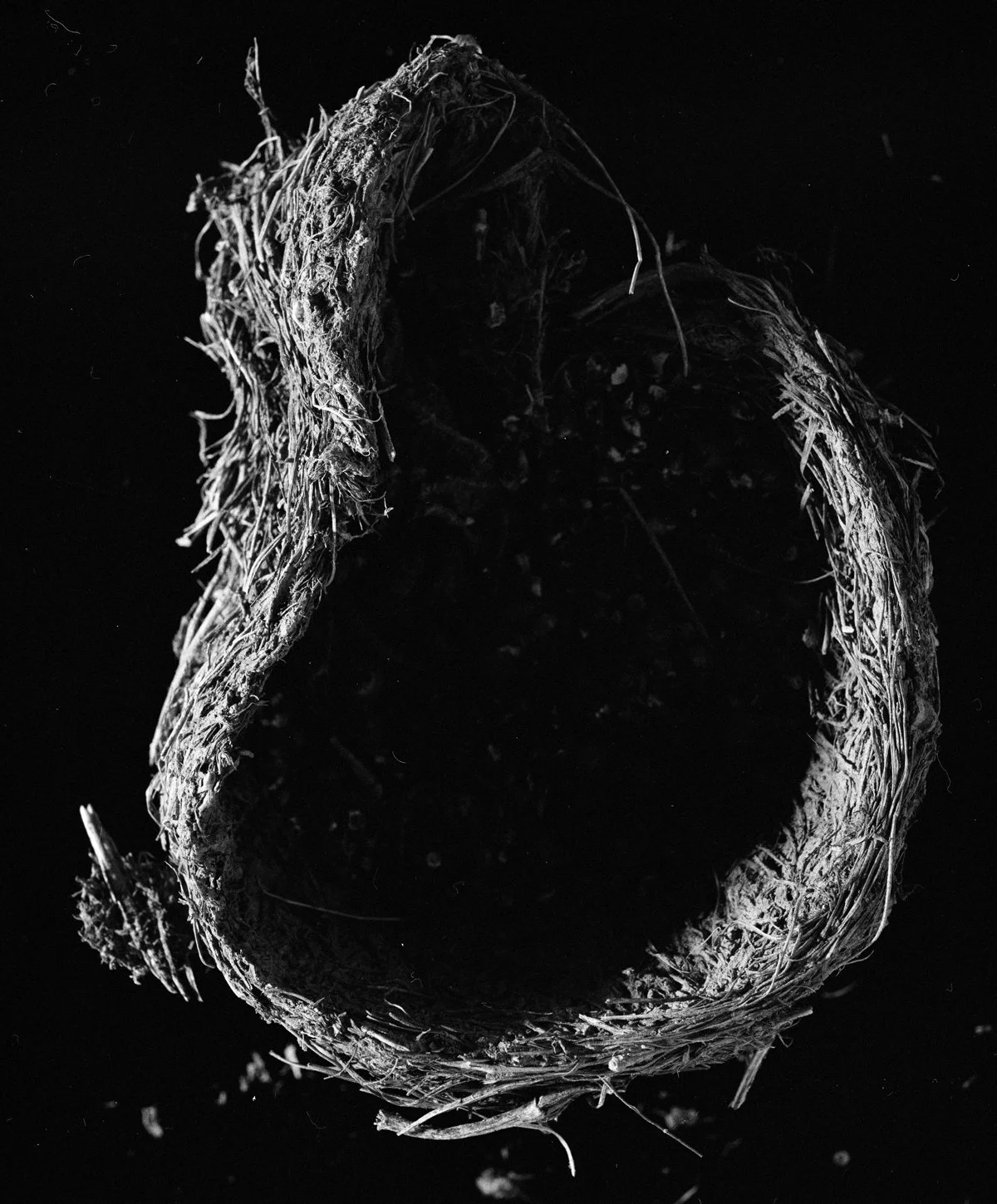
The two that are titled Incompatible With Life, one didn't make it past six weeks, and the other one resulted in an emergency abortion almost three months into the pregnancy. When those things happen, the clinical phrasing for that is “incompatible with life”. You see that phrasing on many of your online documents, it's told to you in person, it's attached to your record and brought up later. It's a really crappy way of describing something like that because if you've gotten to that phase of the transfer, the embryo transfer, you have hit so many milestones already. It's just so much shit that you go through, and to have someone tell you that is demoralizing, and it kind of takes the labor out of the process and makes you feel like they're not valued, even though they didn't result in a viable pregnancy.
That happened to me enough times that I was like, I'm going to do something about this. The only way I process these things is to make things, make beautiful objects. I knew very early on I wanted to use platinum palladium, because of the historical significance of that process, the labor it takes to make those kinds of prints. The last time I made one was about 20 years ago. I had to reteach myself the process, which really I don't find to be extremely difficult, It's just expensive. I had to contact the radiology department at the University Hospital to get those images and I made small digital negatives. The image itself is five inches in diameter, but it's a circle because that's what the image was made through, a circular microscope. I've made a circular mat as well.
The third image on the website that's called Capable Of Life is an embryo made with a donor egg, and it received the same visual rating as the other two that did not result in a pregnancy. They were all given the same great quality, and it did result in a viable pregnancy and the birth of my daughter. So I just found that interesting, it's a way to take back that labor and reinvest it with my own labor after the fact, so they kind of have a new life. Those are some of my favorite works that I've done in the last few years.
JF: Where do you see this project heading? A book? Are you still actively making pictures?
RC: I am still actively making pictures and the project is ever evolving. The title for it came later, because it took a couple years to get through IVF and really feel empowered by the images I was making, but also this sort of newfound calm in knowing that my partner and I would figure out some way to have a family. If I couldn't conceive, we were going to adopt. All of my siblings are adopted, so this is not a new family planning method and so once I started thinking about how my identity as a woman is not attached to my reproductive system or my body, once I separated those two concepts, it really opened up a whole new satisfaction with who I was.
This idea with Portrait of a Woman of how do you conceive of that? I'm really investigating that with the project, and trying to make distinctions between how that's different for everyone, and that for me, it was not distilled down to my ability to reproduce, right? As someone who now has a young kid, thinking about mothering and all the different ways that people do that.
I have a really big show with another fantastic artist, Rose Marie Cromwell, at the Bemis Center. It opens June 5 and is up until mid September. Just gonna plug that. It's going to be the last show at Bemis before they close for two years for a major renovation. We're both making new work that's still within these similar themes of mothering and photographing our families and incorporating the landscape. There's some interesting crossovers with our work.
The catalyst for a lot of my work right now has come from decisions that I was scared to make, decisions about whether or not I should get pregnant, decisions about what types of fertility treatments to do, decisions about abortions, decisions about not having more children and donating the rest of our embryos to science. I think a lot about putting myself in that headspace I was one year ago or three years ago and to me, it's very cyclical and comes from a place of not wanting to make the wrong decision about something, wanting to see the start of a decision and the end of a decision, and everything in between, because you're so worried about fucking something up that you might really want or not want. It's kind of hard to tell.
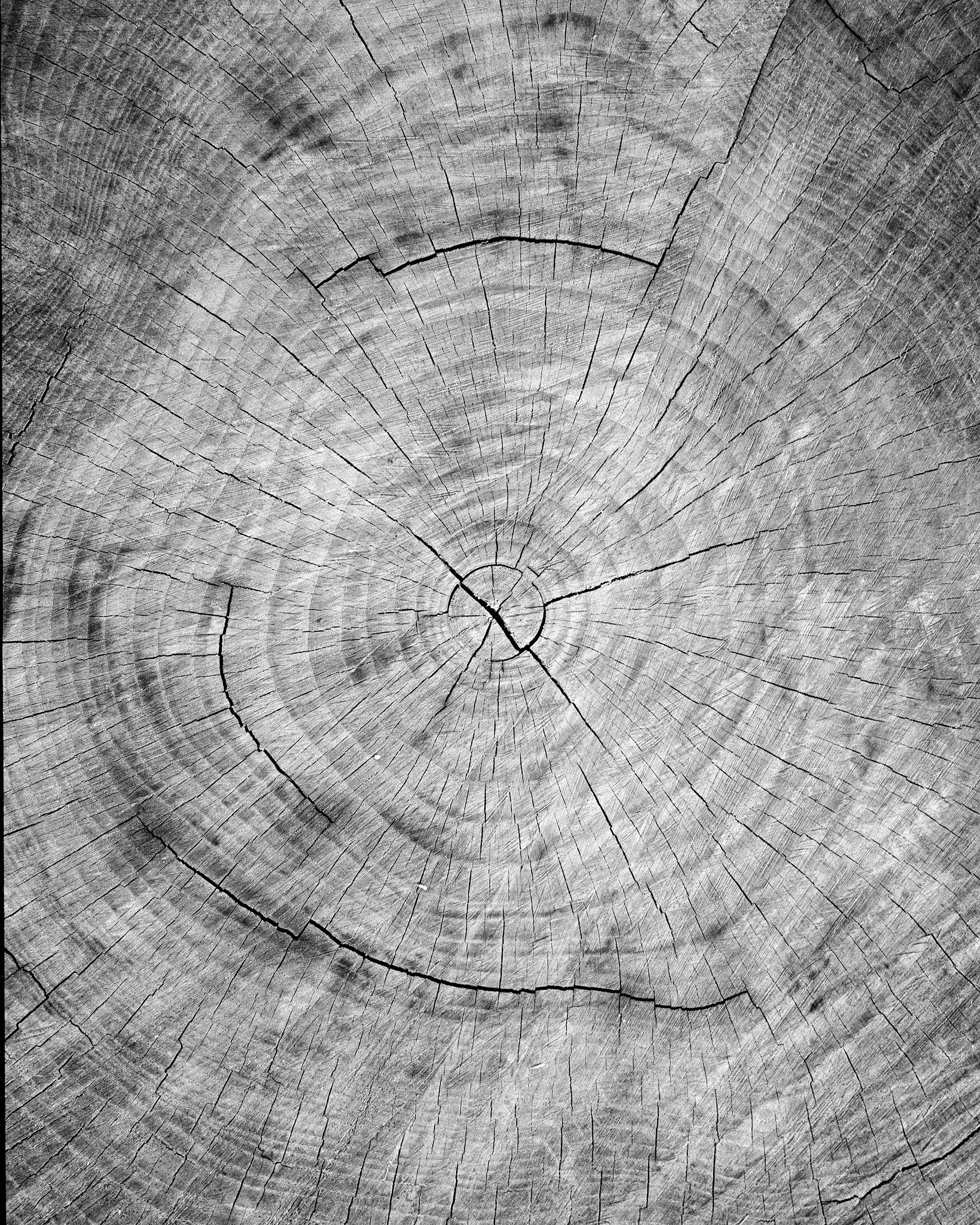
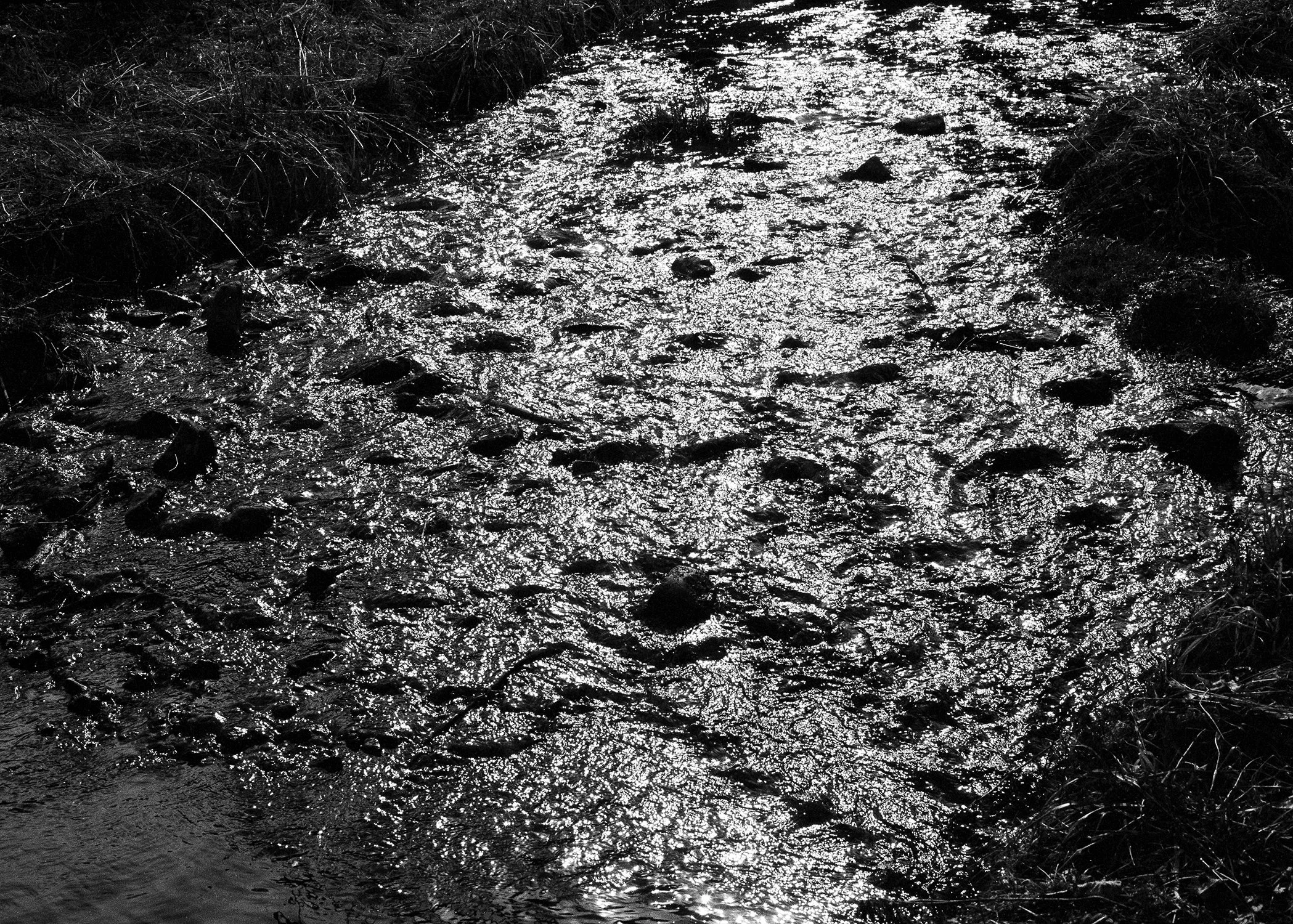
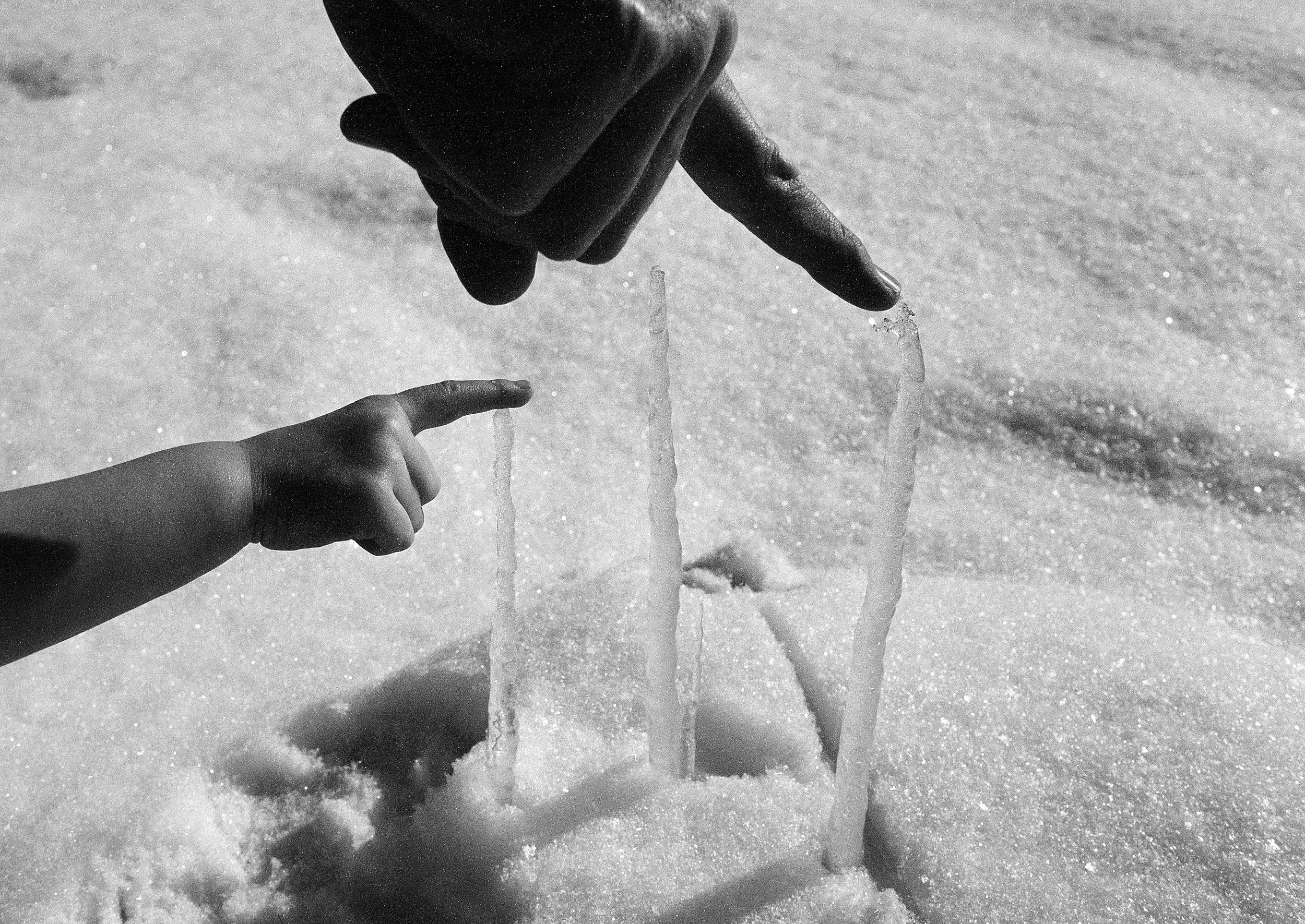
The pictures I've been making are kind of going back and forth between images of the landscape, and then some images of my daughter. This is the first time I've really photographed her in a serious way, in a way that I might share with other people. Besides the embryo picture of her when she was implanted into me, I've not shared pictures of her publicly. So that's where it's going. I'm making new work. I've got a show coming up that I'm super excited about, and hopefully people in the Midwest will go see it.
JF: In your statement for Portrait of a Woman, you mentioned institutional and cultural gatekeeping and the negative impacts of that. Do you think these things have improved at all? If anything I feel like they’ve gotten worse these past few years.
RC: I think in some communities, there's less cultural gatekeeping, because people are talking about their bodies more in ways that are just acknowledging basic reproductive events, like miscarriage is very common. It's a basic reproductive event, yet it does not get treated like it is. There's still a stigma of women talking about the fact that their body didn't do this thing, that they've been indoctrinated into this culture, that that's the thing it's supposed to do, be able to reproduce. Even though I definitely consider myself a feminist, and thought this whole time I was above that kind of brainwashing, lo and behold, I can't have a child for a number of years, and I felt shamed. It was so strange, I felt guilty, I almost didn't want to talk about it. It's just so deeply rooted into our culture that it's very hard to escape.
I think just the act of having so many forums where people can share this, especially through social media, is helpful, and then also having these stories reproduced in print, like, through novels and other literature. The New Yorker has published a number of articles about this kind of stuff. Getting more narratives out there is helpful.
On the flip side of things, it's becoming much harder to see bodies in places. There's a lot of censorship going on. When there's maybe a win in one area, there's kind of a loss in another. It's this pendulum that goes back and forth all the time. For example, I have a photograph currently at The National Portrait Gallery in Washington DC. It’s in this amazing three-year survey of contemporary portraiture called The Outwin Boochever. It’s a big image of Matt giving me an IVF injection. The curators there were very complimentary of the work and said they had never shown an image like this before. On the flip side, all contextualizing information about what the image was representing was pulled from the show, actually all wall texts and captions were pulled from everyone’s work in this exhibition. The government deemed much of the work as “radical leftist ideology” and the museum also didn’t want to push the limits of what they could display. So, on one hand now folks can see what IVF looks like, but they probably won’t know that is what they are looking at when they view my photo. Pendulum swings.
JF: What do you envision as a path towards dismantling that in our society?
RC: Voting in November would be a big one. There are institutions that are able to exist outside of federal funding, and there's places that can still show the art that they want to show without having to worry about having their grants taken away, and that's unfortunate, because the federal government has funded so many creative initiatives through NEH grants and other things. Some museums are concerned about the shifts in political leadership and the rhetoric and so then initiatives to spend money and bring controversial artists to those museums maybe won't happen, or maybe will be delayed. Artists who are making work that needs to be seen from underrepresented communities, have the right to be really fucking scared right now as exposure could possibly turn negative attention to them and their families.
Dismantling is difficult, but I think there's other resources out there that people are still experiencing these stories, and that's going to be specific art organizations that have funding that's outside of that system that I just mentioned. Also, what folks are doing on social media, listening, trying to go to artist talks at specific forums as much as possible, buying books from artists that are sharing those kinds of narratives and stories that need to get out there. I think supporting each other, supporting each other's creative lives when possible, that really helps a lot. Women talking about their bodies, mothers talking about their bodies, normalizing processes of reproduction so that information about how bodies work can be understood at a much earlier age. The more communities help each other and circumnavigate systems that are oppressing their basic right to be healthy seems like a good start towards dismantling.
JF: What's next for you?
RC: I'm working on the show and a lot of my mental energy has been put into printing right now.
I'm finishing things, that's what's on the horizon for the next couple months. I have my first sabbatical from my university job. I teach at the University of Iowa, and my first sabbatical ever in my whole life is next fall. I'm crazy excited about that. That's a big thing. My daughter's turning three. We're going to have a big dinosaur party. It's going to be great.