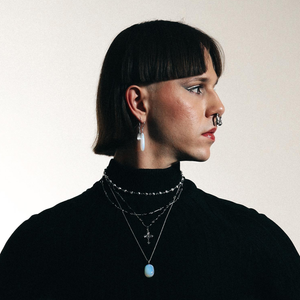
Cali M. Banks
Photographer Cali M. Banks won the Film Photo Award in 2024. Jack Fox catches up with Cali on her work.

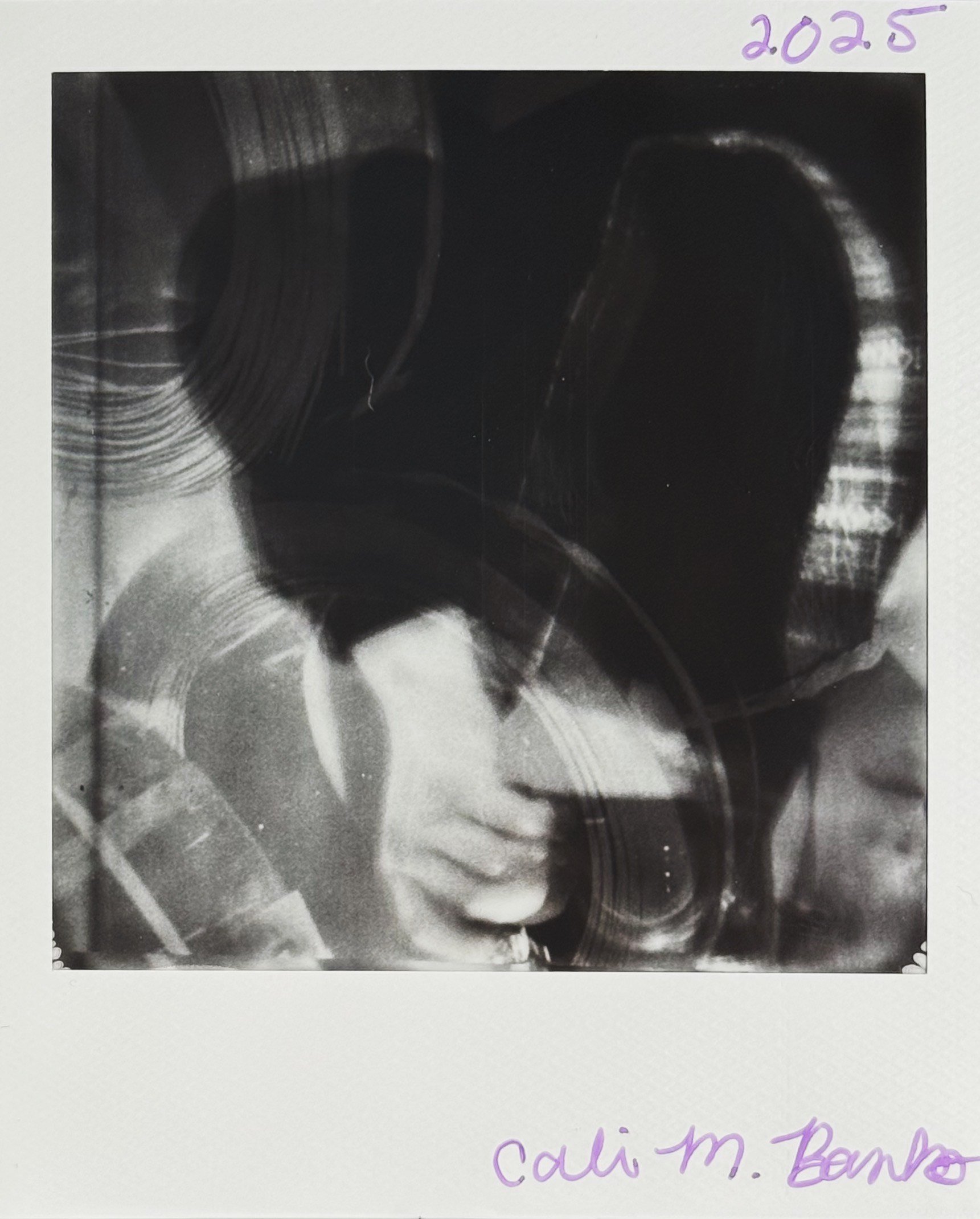
© Cali M. Banks
Jack Fox: What initially interested you about photography and what keeps you working in this medium and why film?
Cali M. Banks: I actually first started in photography when I went to Allegheny College, and that was my first photo class ever. I really enjoyed the professor, her husband also worked in the department so she helped me get a job in the digital lab and the dark room. I stuck with it from there. When I was younger my mom would always get disposable cameras and I would just take pictures of anything as a kid. She would develop and print all of the photos and keep them in albums, even if it was a picture of a rock. So that sparked my interest, but I wasn't too serious about it until college. When I was in graduate school, I went very digital based. Then once I was out of grad school, I began to enjoy the medium of film for its tactility, and I felt like I could have a more personal hand in the work, whether it was just through developing or somehow editing the negative in itself. I just kind of missed that personal touch in the work so I moved back to film from there.
JF: Those disposable camera images from your childhood, you ended up using those for a project right?
CB: Yeah, I have some of those. That was an older project I had in graduate school, actually. My mom still has the actual albums of my early photographs. I loved to take pictures of, like, my stuffed animals and things. I want to find those again to kind of revisit. But I would just take photos of anything, anywhere.
JF: How were you using that archive in this project?
CB: I had some images from my childhood and I scanned them and then turned them grayscale. I then sewed them. They were usually pictures of me and either my mom or my dad. I was kind of sewing into the parental figure. I was taking inspiration from the hidden mother portraits from the 1800s, and the cloak they would put over the mother to hold the baby so they wouldn't move during the exposure time. I was relating that to personal loss and a split family or parental figures that weren't really physically there in my life or emotionally there. That project launched me back into being very tactile with my practice.
JF: In many of your bodies of work, you are using many different methods of alternative process. I’m curious how you decide a particular process feels apt for a particular project.
CB: I got more interested in alternative processes towards the end of my graduate school career because I worked with Melanie Walker, who was my advisor at the time. She works with historic alternative processes and I learned a lot from her. It's intuitive when I'm thinking of a project, I think of the idea I want to go with first, and then choose the medium. I like to experiment a lot, so I might try to think of the concept or the context to the work and try it out in different ways before I land on one. I really enjoy emulsion lifting, especially from Polaroids, but manipulating emulsion because it almost resembles a layer of skin when it dries. Over time it can mimic this sense of aging because even if you're preserving it or sealing it in any type of archival way, the colors still shift. Especially in black and white Polaroids, once the emulsion is lifted, it turns sepia after a while.
The polaroids become almost a barrier between myself and touch. That's where I usually start and see if it's reading well.
JF: You're also a filmmaker, what informs your decision-making between using motion or stills?
CB: One of my most recent films was both 16 millimeter and eight millimeter film. I still like to use physical film because you can paint on it. You can scratch into it. There's still this tactile element to it. With this last film project, I started with moving images because it was a part of this larger collective, the Abortion Clinic Film Collective. I was making a film about reproductive health access on Indigenous reservations, specifically in North Carolina. Before then, I typically like to see how concepts or contexts change once it's moving.
I had an exhibition at the Everson Museum in Syracuse that had 30 images and one film. I was working with the same ideas for both works, and I was interested in how these different mediums juxtapose one another.
JF: I’d love to hear more about the Abortion Clinic Film Collective.
CB: I found out about the collective through my job at Lightwork. We have a sister organization called Urban Video Projects. One of our commissioned artists from last year was a part of this. Her name's Lynn Sachs. She makes documentary films about women's health, and female identity. She organized a panel that brought the Abortion Clinic Film Collective to Syracuse.
They started off with a few filmmakers who were making films in states where abortion is hard to access, or there is no access at all. I was so moved by all of the films. There's about 13 of us now. We meet once every month or two to talk about our films so there's a lot of states that are covered. I just programmed a panel and a screening in Wilmington, North Carolina, where we'll screen the films and then do a Q&A. If we can, sometimes we'll have the Planned Parenthood in that area come and talk about what they have to offer, which is great.
The films are typically either personal anecdotes with reproductive health or abortion access, or it's about a specific area like Tennessee where there's no care left, or North Carolina where it's really really strict. I was looking into more traditional indigenous methods of women's health access and things like that. So everyone takes on their own idea, and then we come together as a group and help each other program things. It’s a place to talk about hard stuff too.
JF: Are you ever collaborating with other people in the collective on films?
CB: I haven't yet. But one, there is one filmmaker, Kelly Gallagher, who is also in Syracuse. So that could be a potential opportunity. But most of us are just working solo for now.
JF: It's great that this collective exists. It has to be quite helpful to have a sort of crit group where everyone is working along similar themes.
CB: It's always interesting to see how each one of us approaches the topic. There's so many different forms of documentary approach that I could take whether it's something you'd see on the History Channel or a true crime kind of traditional documentary. There's also some people using animation. For me, I'm using tactile hand-painted techniques. So it's really interesting to see how we're working with the same concept and themes. How all these different legs of filmmaking are functioning.
JF: What is your role at Lightwork there? Does working for an organization that has such a rich history like Lightwork inform your practice at all?
CB: This was a really great opportunity for me, this job here. I manage their communications and outreach, a lot of their events, I help in their education program. We are such a small staff, there's seven of us now, so we do kind of have our hand in a bunch of different areas. But mostly I'm within communications and a lot of the development side of light work. Beyond that, I feel like it's been such a great resource. We have this huge collection here that has over 4,000 works in it. I can walk across the hall and just open it up with my key and see all of these works that have been donated over 50 years, which is really incredible. I just curated a show in one of our galleries from our collection. So that was really exciting to do. I pulled work that maybe hasn't been seen since the 90s or people just aren't as familiar with.
Also, just being able to meet with so many people that come through here. We get about 12 to 14 artists in residence a year. I'm in the midst of my third year here. Being able to meet artists or photographers from all walks of life, seeing how they approach projects or shows or anything like that is really great. People always come back too. I really appreciate the community it builds.. You can make so many connections, personal connections too. Everyone's very open to sharing and seeing what everyone else is doing.
JF: What is your approach to curation more broadly, and specifically with Tough Skin, Soft Ribs?
CB: When I'm looking at different indigenous art, especially as an indigenous person, I often find photography is not always at the forefront or center, or is thought about in different ways. As I was looking through the collection, there's like so many artists a lot of people know, like Wendy Red Star But there's so many artists that, you know, this work was something brand new that they started as a resident in like the 80s or the 90s. I just wanted to bring those to light.
There's so much in the collection, but there hadn't been a specific indigenous focus in the collection for a show yet. We had Wendy Red Star in our main gallery a few years ago, but I was focusing on this indigenous archive in the collection. I really wanted to focus on how different artists worked from maybe late 80s into present day, how different Indigenous lens-based artists are talking about their own heritage and how Indigenity can spread. It's all over the world. It's not just America. Such as South America or Australia, and the exhibition is trying to expand our knowledge of modern Indigenous people. There's darkroom prints, digital photography, things made with scanners. It’s kind of a nice combination to see how people are using the medium and relating that to their identity. So that's what I was really looking at for that specific exhibition.
As a whole I really enjoy curating, just because I love looking at work. That's why I like teaching so much too, whether it's a workshop or college classes. I love looking at work and seeing where it could go. If it's like a finished piece, seeing how it can fit into context with other work.
JF: How is your work informed by your indigenous experience?
CB: My most recent work has a lot of hand beadwork in it. The past four or five years I've been incorporating this traditional two needle indigenous beadwork technique. I'm beading directly into the photos or the emulsion that I'm kind of lifting and transferring. Beading is a closed practice in indigenous tribes across the board, but it's also very familial so it's what my mom and other women in my family did. It kind of trickled into myself. As my mother is getting older, I'm almost re-teaching her in a way. That process in itself is a nod to culture, but also the color I use. All of the beads are either black, red, white, or gold. White, black, and red are colors of the Lenape tribe, which is what my family is. A lot of the colors have a twofold meaning. Red can be passion, but also bloodshed and black can mean strength, but also aggression. White is kind of like living in your truth. With gold, I'm using it to assign value in a way. Historically, in traditional beadwork, there's usually a bead that's a different color, off-skew a little bit, as like a signature in the piece, since you can't physically sign it like a print. I chose this specific blue color because it was my grandfather's favorite color. So he's kind of ingrained into all of those as well.
More recently, from the start of 2025 into now, I've been really working with family archives again, but in a different way. My dad's side of the family is Scottish. My aunt sent me a bunch of immigration papers and different things from my grandparents that I've been scanning to do emulsion lifts onto. I've been collaging those with my own tribal enrollment forms.
JF: In the film work you're making about Indigenous reproductive health care, are you working with the Lenape tribe?
CB: No. My recent film is called Catch Us on the Way Down. It’s about reproductive health access for Indigenous women in North Carolina. I worked with the Eastern Band of Cherokee Indians for that project. My family is Munsee Lenape and it's a very small group, especially in the Northeast here. Even with my family, a lot of people have passed on besides my mom and I. I've actually connected with some people in Oklahoma, where there's a band of Lenape people. I haven't made anything specific with any Lenape people just yet. But that's on my radar.
JF: You won the Film Photo Award with a plan to make a project analyzing your connections with childhood friends, family members, and romantic partners. Where are you at with this project and how did the Film Photo Award help you make that work?
CB: This award was really special to me just because film was so expensive and being someone who's been low income for all of my life, I haven't really had the opportunity to have a large sum of film to use. This award has been really special. I can be a little more open and free with photography when I’m photographing a subject. It's been really nice to have this flexibility with how generous the award is, getting 75 rolls of film is something I never expected.
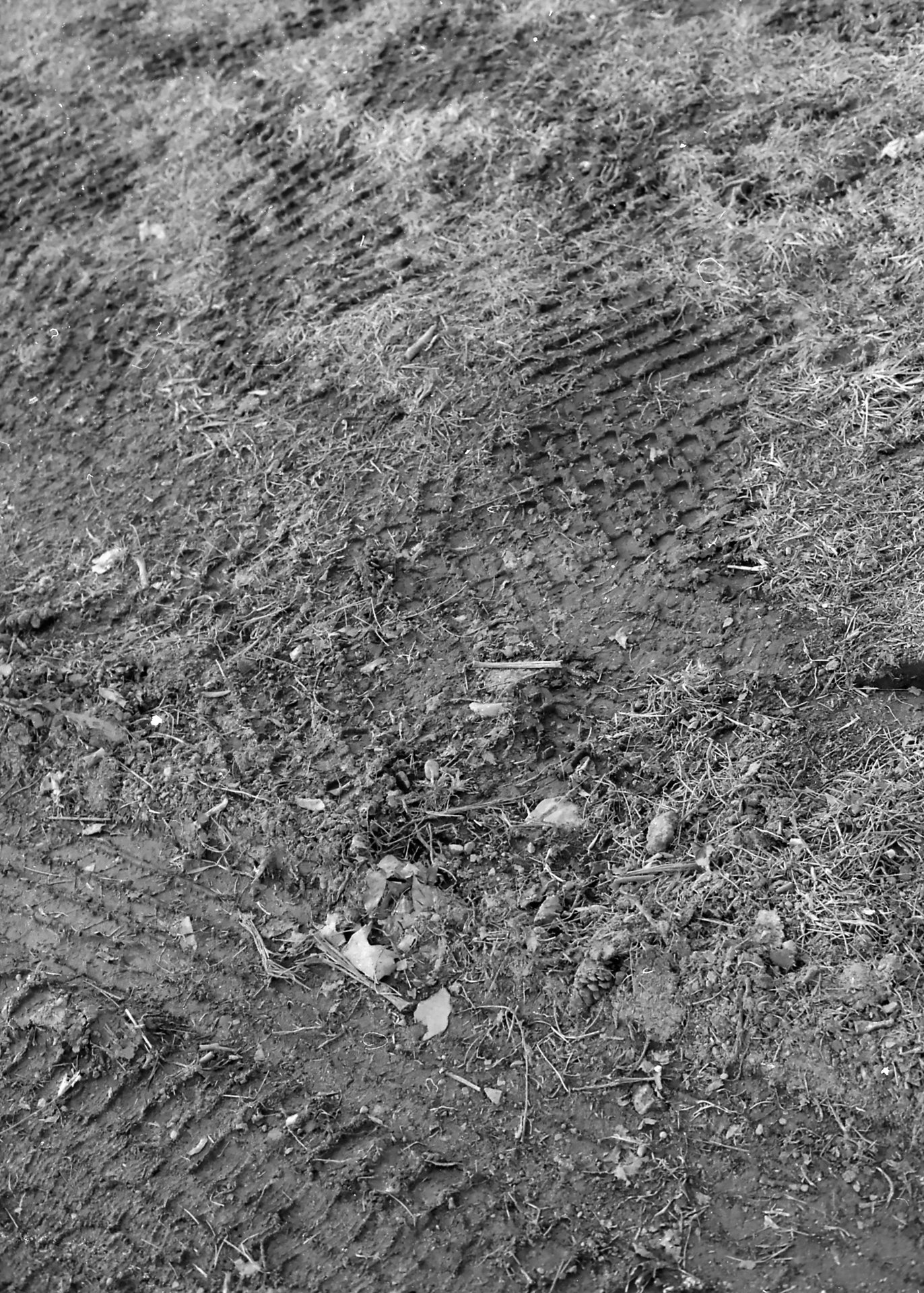
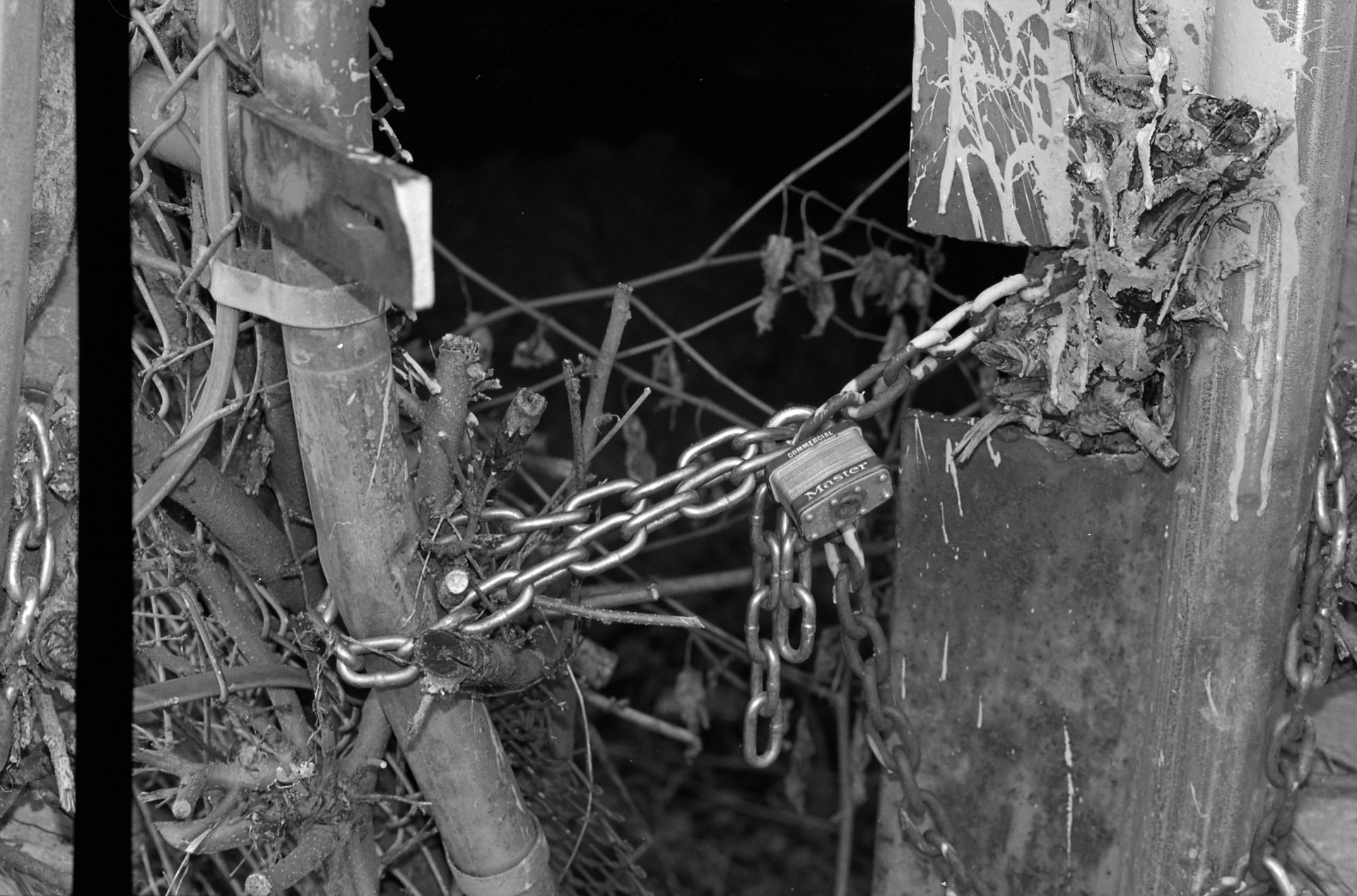
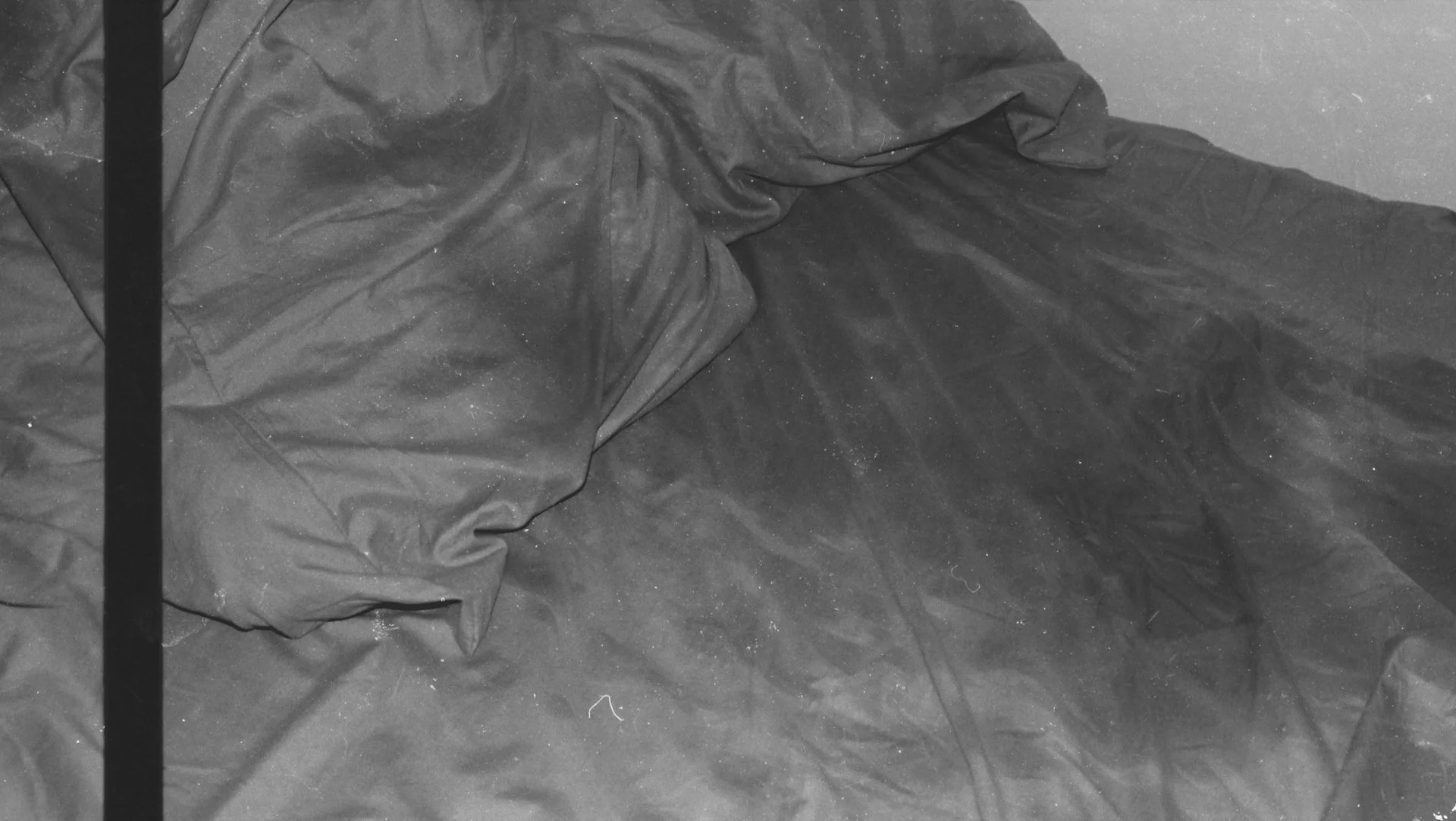
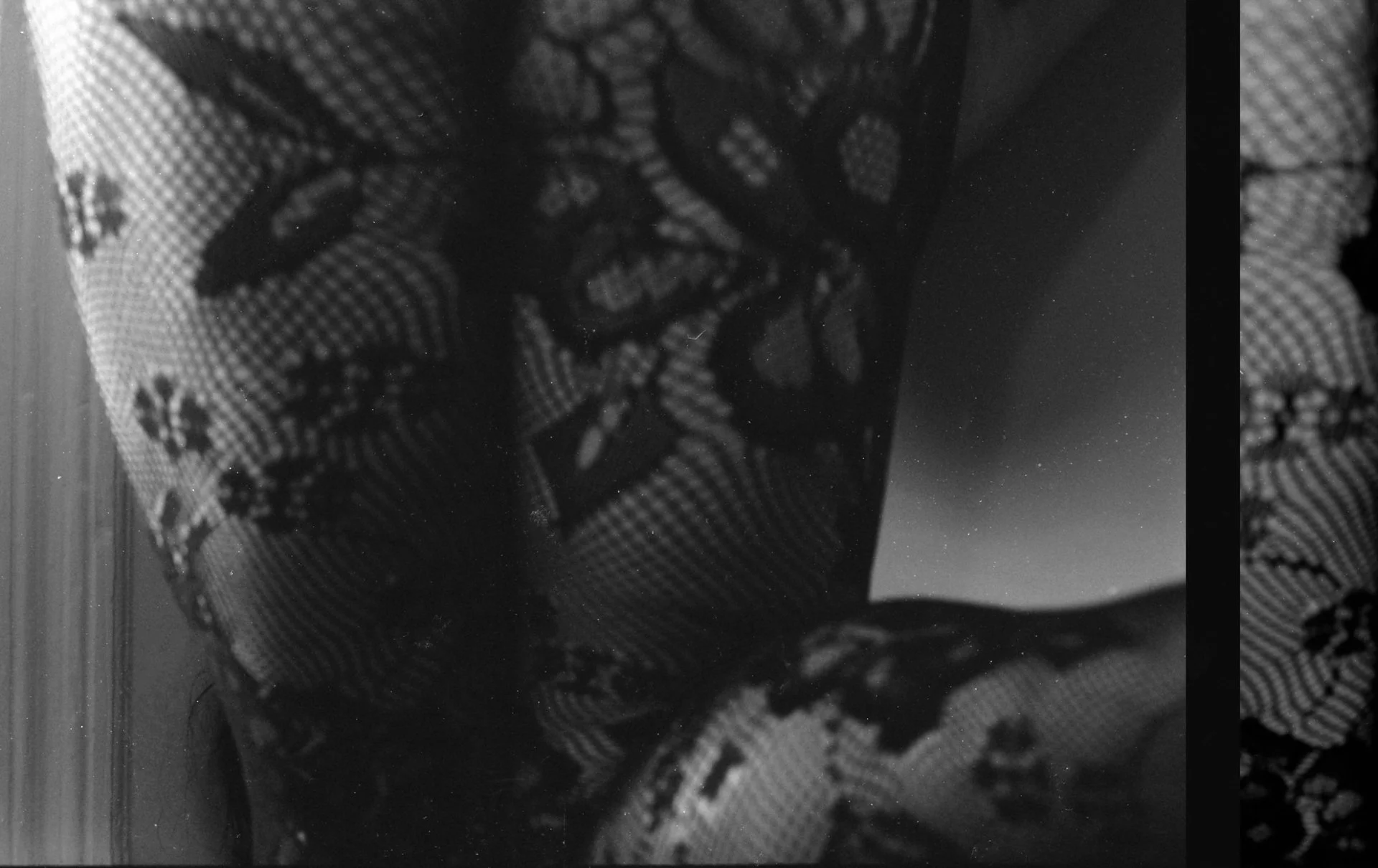
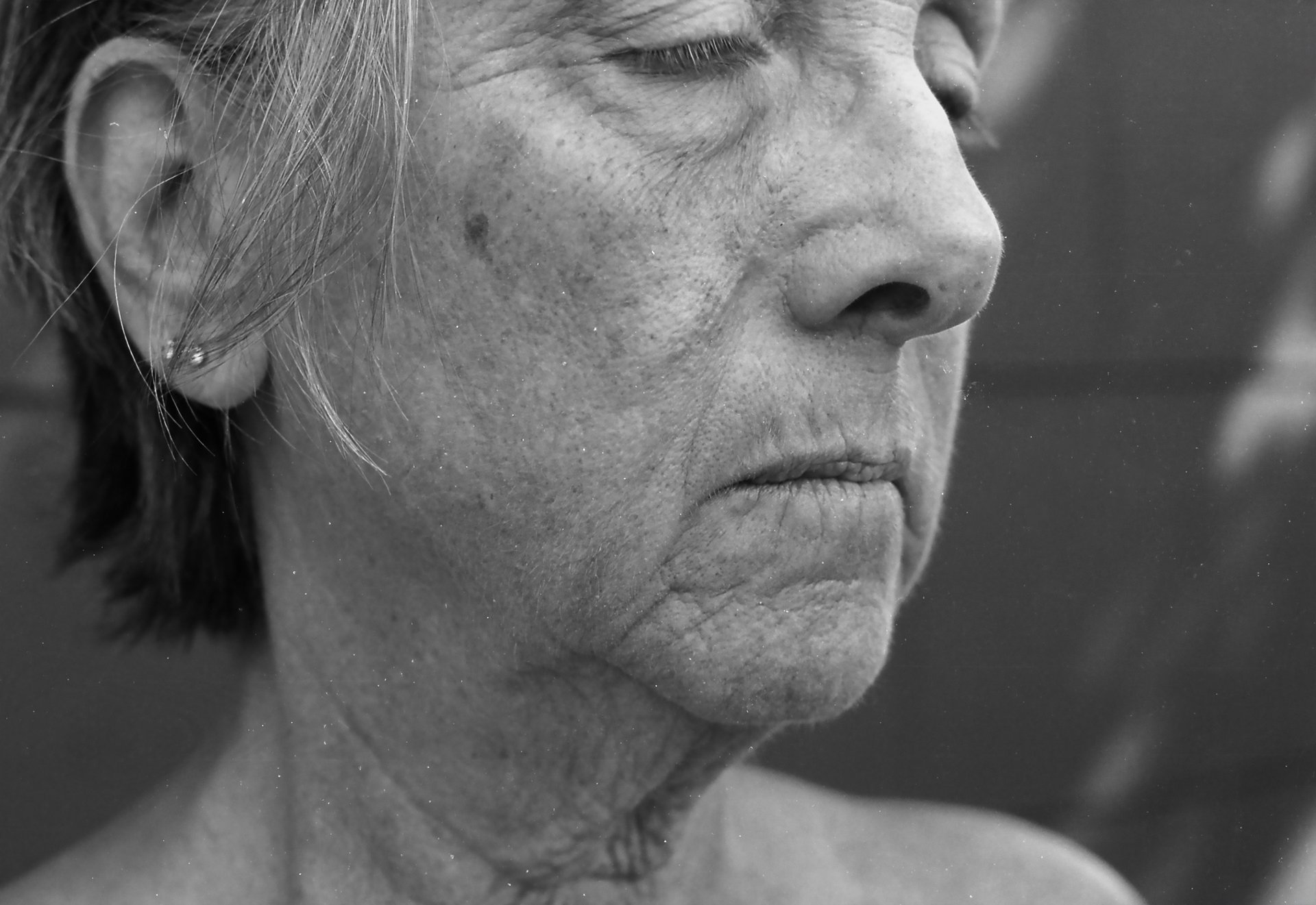
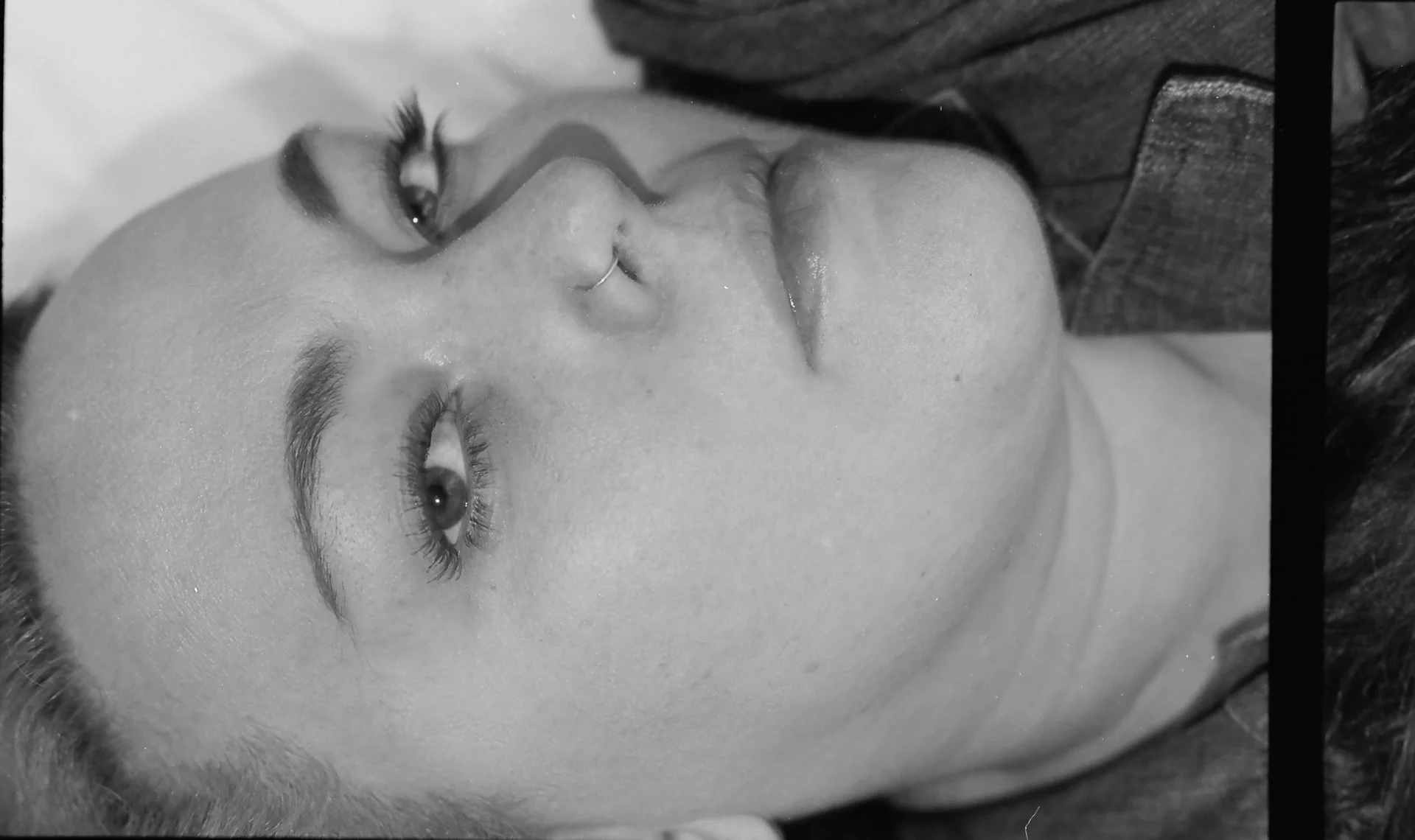
For this project I started photographing my mother, which took her a while to feel comfortable with. My mother has had a few surgeries over the years, but more recently she had some cancer removed from her face and had a pretty large scar. I wanted to photograph that and learn more about her through these portrait sessions, which I'm going to continue to do with childhood friends and family. I grew up in Syracuse, but took about a 10 year gap before I came back. I’m “photographing” new connections I've made here or kind of revisiting old connections or relationships and making a photo book out of that.
JF: How did you approach comfort with photographing your mother?
CB: I've asked her for a few years. I would try to be like maybe we start with your hands or something. She'd be like, oh no my hands are all wrinkly. I'm old. I was like, no, that's the point, it's okay to age. That's what I'm looking to photograph. I don't need some pristine body. She's not from an art background and is almost 70 years old. Her thought of getting your picture taken is that everything has to be perfect and you have to meet certain societal standards of what you look like. She was always just very self-conscious of that. I've shown her kind of like my work where I'm not looking pristine, nobody's ever in a pristine condition. Showing her more raw emotion through work that I've made or other people have made. If she comes to a museum or a gallery with me I show her that it's okay that you might not fit into the societal standard. I'm not doing anything that she would think was exploitative in any way. She actually let me photograph her scar, I was like we can do it really close up as abstracted imagery and that made her more comfortable and then she would just start talking and sharing about different things. It's been nice learning more about her as a person rather than just like my mom. I think showing past work to someone, even someone as close as your mother is an important tool to making someone feel comfortable.
JF: What's next for you?
CB: I'll be going to Indianapolis in early December to do a residency. I'm going to start experimenting more with different darkroom film processes. I will be scanning my film from this award while I'm there. I have a color darkroom there, which is really exciting. I'm going to try color photograms and printing on fabric. I’ll be taking images I have and printing very large scales on fabric to see how that changes the medium a bit. And hopefully that would lead to showing it somewhere. That's my path right now.